
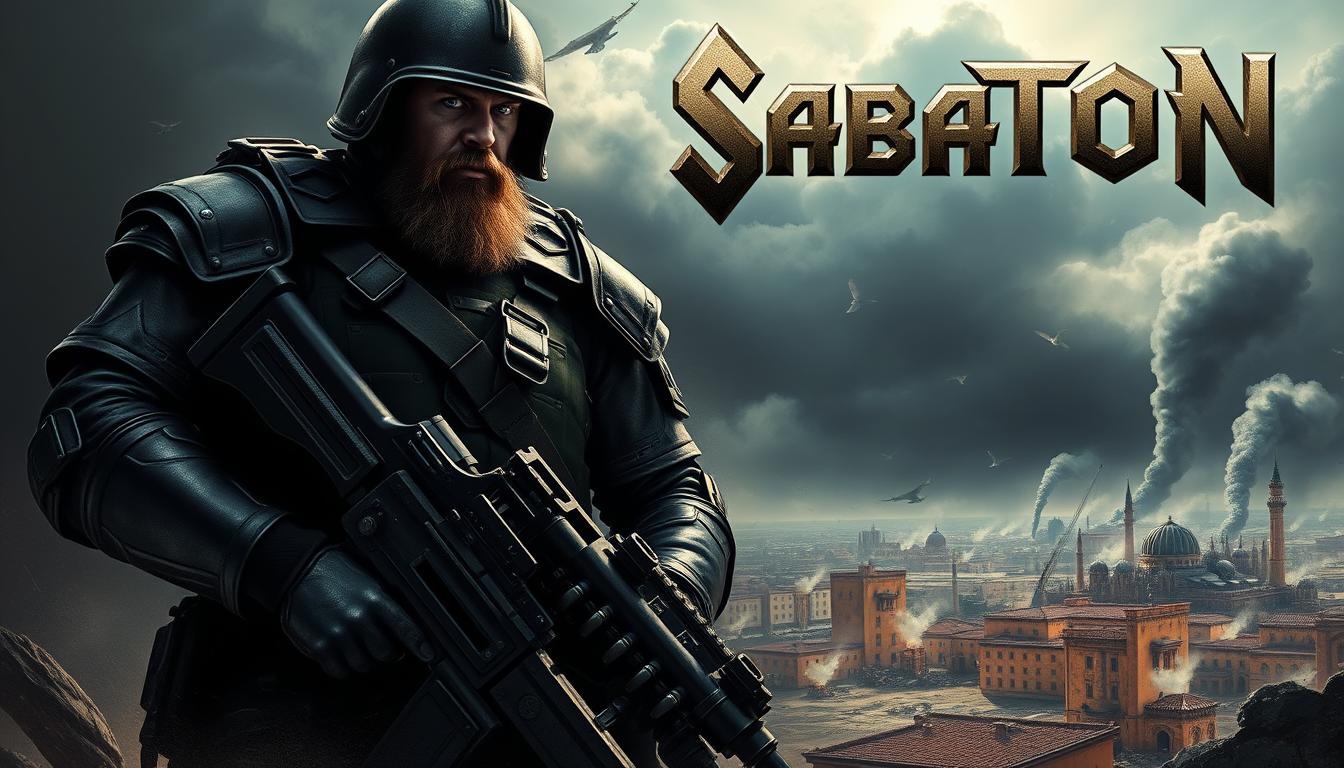
Sabaton, a Swedish heavy metal band, stands out for its unique visual world. Aesthetics and symbols play a central role in its identity and strengthen the connection between its history and its music.
Since the 2000s, audiences have become aware of the importance of historical references in metal music. Formed in 1999, Sabaton is part of this trend, incorporating historical elements into its compositions, as the band 1914 did in 2014 by evoking the beginning of the First World War.
Influenced by artistic movements and a rich visual culture, Sabaton’s aesthetic reflects a thoughtful approach. This article explores how visuals, such as album logos, reinforce the stories told by the music.
Introduction
The Swedish band Sabaton stands out for a striking visual identity deeply rooted in history. History, through its albums and performances, becomes a captivating visual narrative.
Context and aims of this article
Since the 2000s, audiences have become aware of the importance of historical references in metal music. Formed in 1999, Sabaton is part of this trend, incorporating historical elements into its compositions, as it did in 2014 with an album evoking the beginning of the First World War.
This article aims to analyze the band’s aesthetic in detail and explore how imagery and history intertwine to create a unique visual identity. We will examine recurring symbols in its album logos and art exhibitions, drawing on historical and cultural references.
The connection between music, imagery, and art history is central. Sabaton uses meaningful visuals to tell stories and strengthen its connection with the past. This analysis is intended for both heavy metal fans and visual art enthusiasts, offering a perspective on the meeting of music and art.
This article follows a rigorous method for analyzing Sabaton’s graphic identity. By studying its albums and exhibitions, we highlight the key terms and symbols that define its aesthetic. This exploration will help explain how the band uses imagery and history to create an immersive experience.
Sabaton’s artistic origins
Sabaton’s visuals draw heavily on history and culture. Although the band comes from Sweden, it takes inspiration from historical events around the world, as reflected in its albums and performances.
Historical and cultural influences
Classical painters and artistic movements have profoundly influenced Sabaton’s aesthetic. For example, geometric shapes and complex compositions inspired by artists such as Albrecht Dürer are often used in its logos.
Heavy metal as a genre has also played a key role. Sabaton incorporates traditional metal imagery while adapting it to historical themes. This fusion creates a distinctive visual identity.
Heavy metal’s visual legacy
As the table below shows, Sabaton draws on shapes and symbols from art history and heavy metal.
| Influence | Form | Use |
|---|---|---|
| Classical painting | Symmetrical shapes | Album logos |
| Heavy metal | Epic imagery | Concert stages |
| Military history | Heraldic elements | Cover design |
By combining various artistic forms, Sabaton creates an aesthetic that stands out in the music world. This rich and complex approach appeals to heavy metal fans and art lovers alike.
The evolution of the band’s design
Since its beginnings, Sabaton has undergone a striking visual transformation. Each year has brought stylistic changes that reflect the evolution of its musical and artistic imagination.
In the 2000s, the band adopted a darker style, with earthy tones and military motifs. This period laid the foundations of its visual identity, inspired by historical events.
From 2010 onward, Sabaton took a new direction. Its designs became more dynamic, with bright colors and complex geometric shapes. This evolution refocused the design around a shared aesthetic center of interest, blending history and modernity.
In recent years, the band has incorporated more detailed elements, strengthening its visual narrative. Each year remains significant and reflects the fusion of collective imagination and historical inspiration.
Key elements of the visual style
Sabaton’s visual style rests on three essential pillars: typography, layout, and color palettes. Carefully chosen, these elements reinforce the band’s identity and create an immersive visual experience.
Typography and layout
Typography plays a crucial role in Sabaton’s visual communication. The lettering, often thick and angular, evokes strength and determination. For example, the logo for the album Carolus Rex uses a typeface inspired by the Napoleonic era, reinforcing the historical theme.
The layout is also carefully considered. Designs often feature symmetrical compositions in which historical elements fit together harmoniously. This approach brings aesthetics and storytelling together, producing a result that is both appealing and meaningful.
Choosing color palettes
Sabaton’s color palettes are chosen to evoke specific emotions. For example, the dark, earthy tones of The Great War symbolize the gravity of conflict, while the bright colors of Carolus Rex represent power and triumph.
These color choices draw on historical and cultural references while remaining modern. Unlike other heavy metal bands, Sabaton incorporates metallic hues and strong contrasts, creating a distinctive visual identity.
- Typography reinforces the stories told by the music.
- Layout brings aesthetics and storytelling together.
- Color palettes symbolize specific emotions and themes.
Compared with other cultural figures from major cities, Sabaton stands out for its narrative approach. Every medium, from albums to promotional posters, has a visual consistency that reinforces the band’s identity.
Sabaton’s visual world: aesthetics and symbols
Analysis of recurring symbols
Sabaton’s visual identity reflects the band’s deep connection with history and symbolism. Through its illustrations and stage sets, the band constructs a narrative that immerses fans in a world where history and heavy metal meet.
Photography plays an essential role in capturing the spirit of Sabaton’s concerts. Adorned with historical imagery, the stage turns each concert into a visual journey. The combination of these powerful images and the music creates an unforgettable experience that deeply affects the audience.
Lighting and onstage images evoke different times of day, each with symbolic meaning. Dawn can symbolize a new beginning, while dusk can represent the end of an era. These visual cues enrich the narrative and make each performance a chapter in the story told by Sabaton.
Recurring symbols in Sabaton’s illustrations, such as military emblems and historical figures, are carefully chosen to echo heavy metal imagery. These elements reflect the band’s themes and create a strong visual identity that sets it apart on the metal scene.
By incorporating these symbols into its albums and promotional materials, Sabaton strengthens its connection with history. The regular use of these images makes its visual identity consistent and powerful, leaving a lasting impression on fans and critics alike.
Influences from art and painting
Sabaton’s visual style draws much of its inspiration from artistic movements and classical painting techniques. These influences appear in album designs, concert stages, and even music videos.
References to artistic movements
Classical artists such as Rembrandt and Caravaggio have shaped Sabaton’s aesthetic. The mastery of light and shadow characteristic of Caravaggio is often used to create striking contrasts in the band’s visuals.
| Artistic movement | Technique used | Application by Sabaton |
|---|---|---|
| Romanticism | Use of dark, expressive colors | Creating an intense atmosphere on albums |
| Cubism | Complex geometric shapes | Designing logos and concert stages |
| Military art | Detailed historical representation | Illustrations of historical events |
Traditional painting techniques, such as oil painting, inspire the rich, deep hues of Sabaton’s designs. Earth and natural materials also play a key role, symbolizing solidity and authenticity.
By combining these traditional techniques with modern digital methods, Sabaton creates a unique style. This fusion crosses eras and connects the past with the future.
Symbolism in Sabaton’s album logos
Sabaton’s album logos are much more than simple illustrations. They offer a gateway into a world rich in symbols and historical references. Each logo is carefully designed to reflect the album’s theme and create a strong, immersive visual identity.
A study of inspirations and techniques
These logos draw inspiration from a range of fields, from military history to classical artistic movements. For example, the logo for Carolus Rex takes inspiration from Swedish heraldry, with motifs evoking power and royalty. These historical references are often paired with recurring graphic elements, such as weapons, crowns, and military symbols, that reinforce the band’s visual identity.
The techniques used to create these logos combine tradition and modernity. Sabaton uses detailed illustration methods, strong contrasts, and complex geometric shapes. These choices highlight the symbolism: every graphic element has a specific meaning. For example, the metallic hues of some logos symbolize toughness and resilience while evoking a military aesthetic.
Each logo belongs to a coherent symbolic world and strengthens the connection between music and history. These graphic creations go beyond simple illustration: they tell a larger story and give fans a unified visual and musical experience.
The impact of exhibitions and artistic events
Art exhibitions and cultural events have played a key role in the evolution of Sabaton’s image. These encounters between music and visual art have reinforced the band’s visual identity and given fans an immersive experience.
For example, the traveling exhibition “Sabaton: History and Metamorphosis” highlighted the close connections between the albums and historical symbols. This meeting of artistic and musical worlds allowed audiences to discover the band’s themes from a new perspective.
| Event | Year | Influence on the band’s image |
|---|---|---|
| “Sabaton: History and Metamorphosis” exhibition | 2019 | Presentation of historical symbols |
| “Art & Music” festival | 2021 | Integration of visual art |
| “Music and Art” conference | 2022 | Evolution of the aesthetic |
Symbols such as military emblems have a central place at these events. They strengthen the band’s communication and ensure visual consistency. As Sabaton French Division points out, these encounters encourage a unique interaction between music and art.
“Art and music are not separate; they complement each other to tell a larger story.”
These cultural events highlight the interaction between music and art and create a rich, memorable experience. They mark the evolution of Sabaton’s image by incorporating powerful symbols and a carefully developed aesthetic.
History’s influence on the band’s image
History plays a central role in shaping Sabaton’s image, bringing music and aesthetics together in a unique way.
Echoes of significant eras
Sabaton albums such as Carolus Rex and The Great War draw directly on historical events. These references are both musical and visual, with figures and symbols borrowed from significant eras. For example, the heraldic motifs of Carolus Rex evoke power and royalty, while The Great War incorporates military elements to symbolize the gravity of conflict.
Comparison with traditional art
Unlike traditional art, Sabaton incorporates historical representations into a modern approach. The band uses digital techniques to enhance classical illustrations and create a distinctive visual identity. For example, complex geometric shapes inspired by cubism are combined with military motifs, offering a contemporary view of history.
| Historical event | Sabaton iconography |
|---|---|
| First World War | Use of military emblems |
| Napoleonic era | Incorporation of heraldic motifs |
| Thirty Years’ War | Depiction of historical figures |
Sabaton’s artistic freedom allows it to express these historical influences in a unique way and offer a rich, immersive visual experience.
The fusion of music and visual art
Sabaton’s music resonates deeply with the world of visual art. Each melody inspires visual creations, just as each image seems to evoke a musical story. This relationship creates a world in which art and music nourish each other.
The band combines modern visual elements with references from past centuries. For example, heraldic motifs from the Baroque century mix with contemporary geometric shapes. Inspired by various sources, these combinations give the band a distinctive visual identity.
Album logos, such as the one for Carolus Rex, embody this blend. They combine historical symbols with modern digital techniques. This meeting of artistic movement and historical source creates an immersive experience for fans.
The impact of this fusion on audiences and critics is striking. It strengthens the band’s image and enriches the emotional experience. As this analysis points out, Sabaton excels at combining musical and visual movement to create a strong identity.
A technical look at graphic creations
Sabaton’s visual world skillfully combines traditional craftsmanship and modern digital techniques to create a unique visual identity that captivates audiences. This section examines the methods used in its visual creations and compares traditional and digital approaches.
Traditional and digital methods
Traditional methods, such as hand-drawn illustrations and paintings made on physical surfaces, add a human touch and an organic appearance. Often inspired by classical artistic movements, these techniques give the works depth and texture that connect with audiences.
Digital tools, meanwhile, offer precision, adaptability, and efficiency. Software such as Adobe Photoshop and Illustrator makes it possible to work on intricate details and make changes quickly, meeting the demands of modern design. Digital methods also make it easier to create dynamic visuals for albums, websites, and social media.
| Method | Advantages | Disadvantages |
|---|---|---|
| Traditional | Organic aesthetic, human touch | Long production time, difficult revisions |
| Digital | Precision, flexibility | Lack of organic texture |
Combining these methods allows Sabaton to maintain a consistent and striking visual identity, pairing the warmth of traditional art with the flexibility of digital technology.
Colors and their symbolism
The colors Sabaton uses play a crucial symbolic role in its visual identity. Every hue and shade is chosen to evoke a particular emotion or concept, reinforcing the consistency of the band’s image.
For example, the gold tones in the logos evoke power and grandeur, while dark, earthy hues symbolize the gravity of historical conflicts. These thoughtful color choices help create a strong, immersive visual identity.
| Color | Meaning | Use |
|---|---|---|
| Gold | Power, grandeur | Logos and album covers |
| Earth tones | Authenticity, solidity | Designs inspired by military history |
| Red | Dynamic elements of stage performances |
Color contrasts and harmonies also play a key role. They guide the audience’s eye and strengthen the visual narrative. For example, strong contrasts on posters highlight the main elements, while subtle harmonies create a coherent atmosphere.
Color is an essential part of Sabaton’s creative process. It fits naturally into every stage, from album design to concert staging. This careful approach maintains a distinctive visual identity and strengthens the connection between music and imagery.
Diversity of forms and representations
Known for its unique visual world, Sabaton reflects an artistic sensibility deeply rooted in history. Every graphic creation, from album logos to concert stages, is the result of careful research aimed at expressing complex ideas visually.
Innovations in design
The diversity of forms in Sabaton’s visual communication leads to bold innovations. For example, the logo for Carolus Rex combines heraldic motifs with modern digital techniques. These thoughtful design choices highlight a distinctive visual identity and help the band stand out in the music scene.
Sabaton’s artistic exploration leads to bold aesthetic choices. By combining complex geometric shapes with historical elements, the band creates a visual identity that keeps evolving. Its ability to express abstract concepts through varied forms helps it stand out.
The evolution of these forms and their ability to express abstract concepts play a key role in Sabaton’s visual identity. Every logo and image results from in-depth artistic exploration that conveys the band’s spirit through innovative design choices. This approach allows Sabaton to maintain a consistent and striking visual identity.
Aesthetics as a means of expressing identity
The strength of Sabaton’s aesthetic lies in its ability to forge a unique, immediately recognizable identity. Every visual detail, from logos to concert stages, is carefully designed to reflect the band’s spirit. Each visual medium thus becomes a mark of its identity.
Visual consistency is at the heart of this recognition. Discovering recurring motifs, such as historical symbols, guides audiences through Sabaton’s world. This approach strengthens the emotional connection and makes every album and performance a memorable experience.
The strength of Sabaton’s graphic signature also shows in its ability to stand out in the music market. The blend of historical elements and modern forms creates a distinctive visual identity. For example, the Carolus Rex logo, with its heraldic motifs, symbolizes both power and authenticity.
Finally, visual discovery plays a key role in fan engagement. Every graphic element, from album covers to concert posters, invites further exploration of Sabaton’s world. This visual connection strengthens the loyalty of fans, who become ambassadors for this unique identity.
The link between art exhibitions and musical projects
Art exhibitions play a key role in Sabaton’s inspiration and musical creation. By incorporating rich historical visuals, these events provide a setting for artistic expression and strengthen the connection between music and art.
Art exhibitions add a unique visual dimension to musical projects. For example, the 2019 exhibition “Sabaton: History and Metamorphosis” highlighted the close connections between the albums and historical symbols. This interaction between music and visual art enriched the visual dimension of the musical projects and gave fans an immersive experience.
- Art exhibitions enrich the visual dimension of musical projects by incorporating historical symbols and artistic motifs.
- Events such as “Sabaton: History and Metamorphosis” in 2019 and the “Art & Music” festival in 2021 had a significant impact on the band’s image.
- The interaction between exhibition spaces and musical creation highlights inspiring settings that stimulate artists’ imaginations.
- The added value of these exhibitions appears in the band’s visual world and strengthens its visual identity.
The 2019 exhibition in Paris is a striking example: it presented works inspired by Carolus Rex. Combining history and contemporary art, these creations enriched the visual dimension of the musical projects and offered a distinctive view of the stories told by the music.
In conclusion, art exhibitions play a central role in Sabaton’s inspiration and musical creation. By providing a setting for artistic expression, they strengthen the interaction between music and visual art and add invaluable value to the band’s visual world.
Future directions for the visual world
As the music landscape evolves rapidly, Sabaton must adapt its style to keep pace with trends while preserving its essence. The coming years could bring new technologies, such as augmented reality, into the fans’ visual experience.
Current trends in music design favor minimalist and interactive styles. Sabaton could explore these directions to strengthen its visual identity. For example, more dynamic designs and innovative user interfaces could deepen its connection with audiences.
The band’s internal culture plays a key role in this evolution. Drawing on emerging artistic movements, Sabaton could create immersive stage interiors that combine history and modernity. This would preserve its visual consistency while allowing it to innovate.
In conclusion, the future of Sabaton’s design depends on a delicate balance between tradition and innovation. By incorporating new technologies and adapting to cultural trends, the band can continue to captivate its audience while remaining true to its artistic roots.