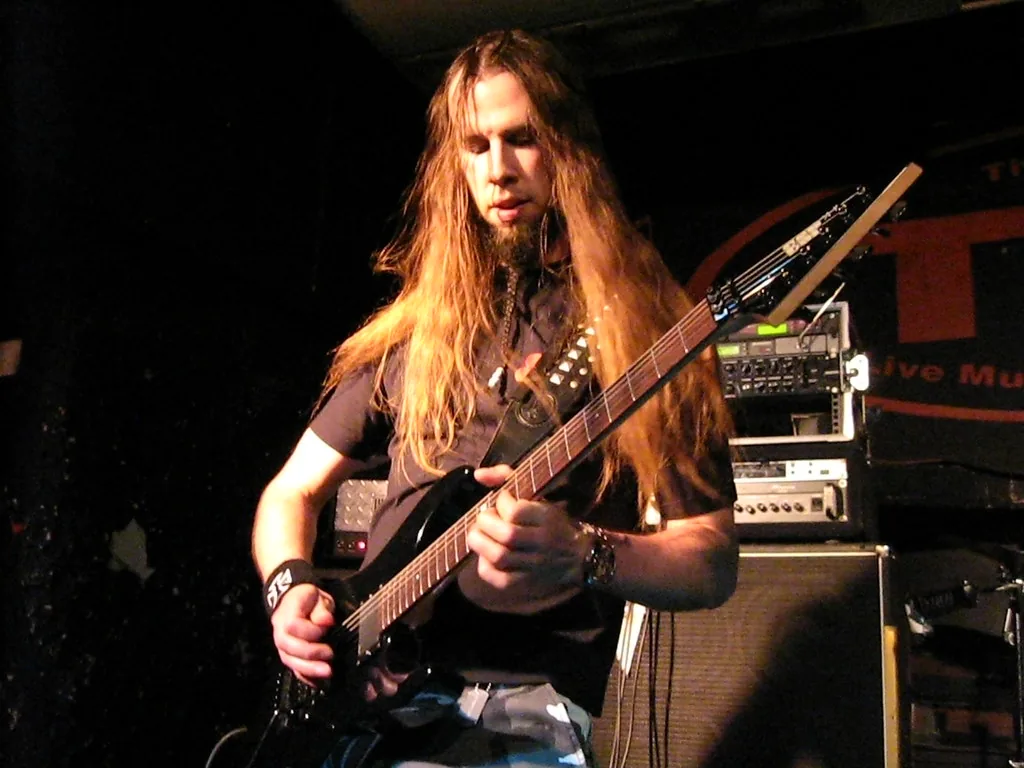
For all fans of the band Sabaton
Sabaton French Division: your go-to source for the latest news, reviews and interviews about the Swedish heavy metal band.
Our story, mission and vision
What you’ll find on this blog
Discover the fascinating world of Sabaton through our blog.
News
The latest news and announcements about Sabaton.
Reviews and analysis
In-depth breakdowns and explorations of Sabaton’s world.
History and retrospectives
Historical accounts and recaps of Sabaton’s defining moments.
Community
Connecting with fans and sharing experiences.
How and where was Sabaton founded?
Sabaton was founded in 1999 in Falun, Sweden, by singer Joakim Brodén and bassist Pär Sundström. The band was originally called “Aeon,” but its members changed the name to Sabaton in 1999, drawing inspiration from the Latin word for “military shoe.”
Joakim and Pär met at school and soon discovered that they shared a passion for music, especially heavy metal. They began playing together and quickly realized they had a shared vision: to form a band that would unite their love of music with their interest in military history.
The band’s core took shape around Joakim on vocals and Pär on bass. Other founding members joined them, including Richard Larsson on drums and Oskar Montelius on guitar. Together, they began writing and performing songs centered on historical and military themes.
Sabaton’s first studio album, “Fist for Fight,” was released in 2001. It laid the foundations for the band’s distinctive sound and drew attention to its ability to tell stories through music. However, Sabaton did not begin to gain wider recognition until its second album, “Primo Victoria,” was released in 2005.
The band’s lineup has changed over the years, but Joakim Brodén and Pär Sundström have remained its constant members and driving forces. Their dedication to music and their artistic vision has helped make Sabaton one of the most respected and popular bands on the global heavy metal scene.
Sabaton grew out of Joakim Brodén and Pär Sundström’s shared passion for music and military history. Its story began in Falun, Sweden, where the two musicians set the course for what would become one of the genre’s most iconic bands.

What historical and military themes does Sabaton explore in its music?
Sabaton explores a wide range of historical and military themes in its music, with songs that draw listeners into epic, compelling stories. The band often takes inspiration from major events in military history, from famous battles to unsung heroes, as well as intriguing accounts of modern warfare.
A substantial part of Sabaton’s repertoire is devoted to historical battles. The song “Primo Victoria,” for example, commemorates the Normandy landings of 1944, while “Panzerkampf” evokes the Battle of Kursk, one of the largest tank battles in history. These songs describe the events while seeking to capture the emotions and courage of the soldiers who took part.
Beyond battles, Sabaton tackles subjects such as military leaders and historical figures. For example, “Carolus Rex” tells the story of Charles XII of Sweden, while “The Last Stand” pays tribute to the heroic final moments of soldiers facing overwhelming odds.
Sabaton also explores less traditional subjects, such as war machines and military technology. Songs like “Ghost Division” highlight remarkable military units, while “Resist and Bite” honors the resilience of troops on the Maginot Line during World War II.
Finally, Sabaton does not shy away from contemporary subjects and the moral dilemmas of war. Songs like “The Price of a Mile” explore the human and emotional costs of armed conflict, while “The Red Baron” offers a fascinating look at the life of a World War I flying ace.
In short, Sabaton draws on the annals of military history to create a rich, varied repertoire that celebrates the courage, heroism and sacrifices of the men and women whose bravery on the battlefield helped shape the world.

What is the cultural and historical influence of Sabaton’s music?
Sabaton’s music has a significant cultural and historical influence, both artistically and educationally. The band has brought together the power of heavy metal and compelling historical narratives, creating a distinctive musical style that crosses cultural boundaries.
Culturally, Sabaton’s music appeals to a broad range of listeners, from history and military history enthusiasts to heavy metal fans. Its ability to tell epic stories through music creates an emotional connection with audiences, who can relate to the people and events portrayed in the songs. Sabaton thus helps broaden heavy metal’s appeal beyond its traditional audience.
Historically, Sabaton’s music plays an educational role by introducing a wide audience to lesser-known events and historical figures. The band sheds light on pivotal moments in military history and offers a glimpse into the sacrifices and triumphs of the men and women who shaped today’s world. Its music can therefore serve as a starting point for discussion and deeper research into specific historical subjects.
In short, the cultural and historical influence of Sabaton’s music lies in its ability to entertain, educate and inspire listeners while celebrating courage and human resilience through the ages.
Contact us with any questions, collaboration ideas or suggestions.