

Since its formation in 1999 in Falun, Sweden, Sabaton has captivated audiences around the world with a distinctive approach: combining history and music. This power metal band has stood out by telling historical stories through its songs, offering an experience that is both educational and entertaining.
Its albums, such as The Last Stand and Fields of Verdun, revisit major events, from the Battle of Rorke’s Drift to the Battle of Berlin. Each song takes listeners back in time and makes history accessible and compelling.
This combination of historical facts and powerful melodies has helped Sabaton attract millions of fans worldwide. In this article, we explore the band’s discography, its historical themes, and what makes its music so distinctive.
Introduction
Since 1999, Swedish band Sabaton has combined history and music to create a distinctive experience. This blend of historical facts and powerful melodies has helped it stand out in power metal.
Its albums, such as The Last Stand and Fields of Verdun, revisit major events, from the Battle of Rorke’s Drift to the Battle of Berlin. Each song takes listeners back in time and makes history accessible and compelling.
This combination of historical facts and powerful melodies has helped Sabaton attract millions of fans worldwide. In this article, we explore the band’s discography, its historical themes, and what makes its music so distinctive.
| Album | Year | Main theme | Notes |
|---|---|---|---|
| The Great War | 2019 | World War I | Exploration of the deadliest conflicts |
| The Last Stand | 2016 | Legendary battles | Signature songs such as “Shiroyama” |
| Carolus Rex | 2012 | Swedish wars | Swedish and English versions |
This article guides you through Sabaton’s world by exploring its albums, stage performances, and educational impact. We will see how its innovative approach has reshaped the way listeners encounter history through music.
Sabaton’s origins and formation
Sabaton was formed in 1999 in Falun, Sweden, around a shared passion for military history. The band, which would go on to transform power metal, chose music as a way to tell historical stories.
The early days in Falun, Sweden
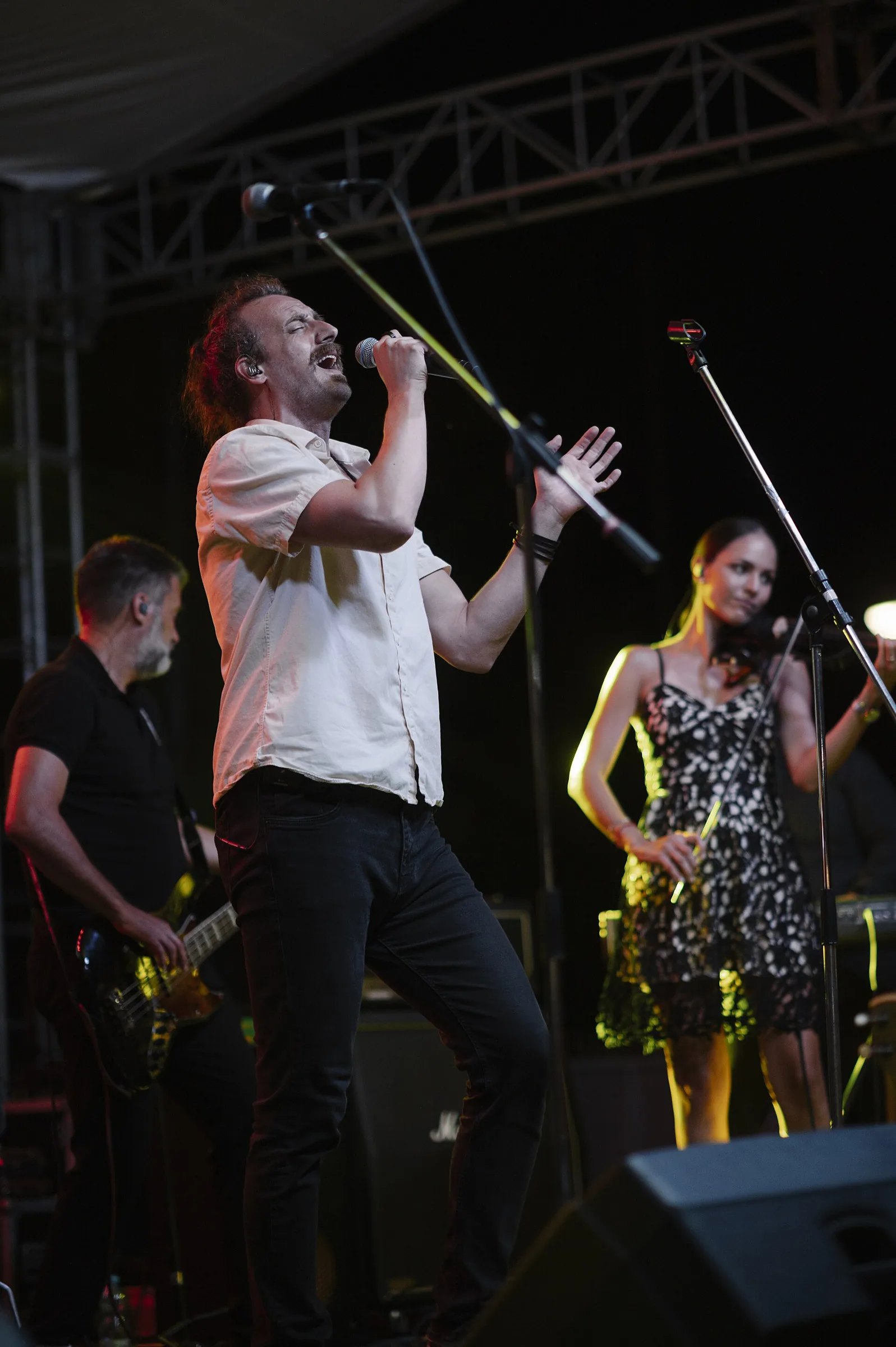
Sabaton’s original lineup brought together a few dedicated members determined to combine music and history. Their first recordings laid the foundations of their sound. Those early years also saw lineup changes: the departure of some members influenced the band’s development.
A passion for history from the beginning
From the outset, Sabaton incorporated historical events into its songs, creating an educational and entertaining experience. This approach quickly set the band apart. As one member put it: “We wanted our music to be a bridge between past and present, offering a unique perspective on historical events.”
The band’s historical approach
Since its formation in 1999, Sabaton has captivated listeners by weaving historical stories into its songs. Its music combines historical facts with powerful melodies to offer an experience that is both educational and entertaining.
Its albums, such as The Last Stand and Fields of Verdun, revisit major events, from the Battle of Rorke’s Drift to the Battle of Berlin. Each song takes listeners back in time and makes history accessible and compelling.
Stories of pivotal battles
Sabaton’s songs portray historical events with force and clarity. For example, The Last Stand evokes heroic resistance during the Battle of Berlin, while Fields of Verdun takes listeners into the heart of World War I.
These stories draw on imposing choirs and powerful riffs to heighten their emotional impact. Listeners find themselves amid the fighting and feel the intensity experienced by soldiers on the battlefield.
An educational commitment through music
Sabaton uses music as a teaching tool. Its well-researched lyrics offer a distinctive perspective on historical events. This educational approach makes history accessible to a wider audience while remaining faithful to the facts.
The band shows how music can bridge past and present, offering an enriching experience for fans of history and music alike.
Exploring the landmark albums
Sabaton’s albums are far more than collections of songs. Each one tells a story, often connected to significant historical events. This section explores three of the band’s most notable albums.
Primo Victoria: the defining album
Released in 2005, Primo Victoria is often considered the album that defined Sabaton’s style. It explores themes related to World War II, with tracks such as “Stalingrad” and “Counterattack”. Its carefully crafted historical storytelling and powerful melodies marked a turning point in the band’s career.
Carolus Rex: history in two languages
Released in 2012, Carolus Rex stands out for its two language versions. Available in Swedish and English, the album explores Sweden’s military history during the reign of Charles XII. Tracks such as “The Carolean’s Prayer” and “Poltava” offer a distinctive perspective on this period.
The evolution of the concept albums
Sabaton’s albums are often concept albums, with each track contributing to a broader narrative. For example, “The Great War” (2019) revisits World War I, while “The Last Stand” (2016) celebrates legendary battles. This thematic approach has helped the band stand out and engage audiences who love history and music.
| Album | Year | Main theme | Distinctive feature |
|---|---|---|---|
| Primo Victoria | 2005 | World War II | First album built around a historical theme |
| Carolus Rex | 2012 | Swedish wars | Swedish and English versions |
| The Great War | 2019 | World War I | Detailed accounts of battles |
Exploring these albums shows how Sabaton uses music to tell history with passion and precision. To learn more about the band and its work, visit the French Division website.

Sabaton: Between History and Music
Sabaton combines history and music with exceptional passion. The Swedish band has created a distinctive sound by bringing historical stories together with the energy of power metal. Its bold artistic choices have helped it captivate millions of fans worldwide.
Each Sabaton album reflects a deep commitment to history. The well-researched lyrics offer a distinctive perspective on significant events, while powerful melodies deepen their emotional impact. This union of history and music has both educated and entertained listeners.
The fan community has responded strongly to this approach. Albums such as The Last Stand and Fields of Verdun have taken listeners back in time, offering them an immersive experience. This shared passion has forged a strong bond between the band and its fans.
Sabaton continues to evolve, both musically and in its approach to history. Each new project offers a fresh perspective, sustaining interest in its music and stories.
Pär Sundström and Joakim Brodén: pillars of musical storytelling
Joakim Brodén and Pär Sundström are Sabaton’s creative pillars. Their close collaboration has shaped the band’s musical and historical identity.
Their influence on the music
Joakim Brodén on vocals and Pär Sundström on bass have profoundly shaped Sabaton’s style. Their compositions combine power and melody to create a distinctive sound. On Carolus Rex, for example, powerful riffs and imposing choirs heighten the emotional impact of the historical stories.
Their contributions to the lyrics and historical stories
The lyrics, co-written by Joakim Brodén and Pär Sundström, are well researched and offer a distinctive perspective on significant events. The Last Stand and Fields of Verdun take listeners back in time and make history accessible and compelling.
Their artistic vision has helped Sabaton stand out and captivate audiences who love history and music. Each album reflects their shared passion for stories from the past, offering an educational and entertaining experience.
Military stories and their emotional impact
Sabaton’s songs place listeners at the heart of historical conflicts and create a fully immersive experience. Each track stirs powerful emotions: war comes to life through forceful melodies and striking lyrics.
Examples of signature songs
Tracks such as “The Last Stand” and “Fields of Verdun” show the band’s ability to convey the intensity of battle. These energetic songs offer a distinctive perspective on significant events in military history.
Immersive accounts of battle
The band’s powerful riffs and imposing choirs deepen this emotional impact. “The Price of a Mile”, for example, vividly depicts the harshness of war and takes listeners to the battlefields of the Great War. The songs’ energy helps recreate battle scenes and delivers an intense listening experience.
This narrative approach allows Sabaton to make history accessible and compelling. To learn more about its discography and historical approach, visit the French Division website.
What defines Sabaton’s musical style
Swedish band Sabaton stands out for a musical style that combines power and melody. This blend has distinguished it within metal.
Powerful, distinctive sounds
Sabaton’s style features powerful riffs and imposing choirs. Together with a strong command of rhythm, these elements create an intense atmosphere. Tracks such as “Shiroyama” and “Poltava” illustrate this distinctive sound.
| Album | Musical characteristic | Example song |
|---|---|---|
| The Great War | Epic sound and orchestral arrangements | “The Attack of the Dead Men” |
| Carolus Rex | Powerful choirs and melodic riffs | “The Carolean’s Prayer” |
| The Last Stand | Intense rhythms with double bass drumming | “Shiroyama” |
The band uses techniques such as double bass drumming and virtuosic guitar solos to strengthen the impact of each track. The result draws listeners into the heart of historical battles.
Sabaton has continued to innovate while maintaining a consistent sound across its discography. Its combination of strength and melody continues to captivate fans of metal and history.
Music as a tool for teaching history
Sabaton’s music offers another way to teach history. Rich in historical narratives, its songs help teachers make past events more accessible and engaging for students.
Classroom use and sharing knowledge
Teachers increasingly use Sabaton’s songs to illustrate historical periods. For example, “The Great War” explores World War I, while “Fields of Verdun” takes students into the trenches at Verdun. These tracks offer a sound and narrative perspective that sparks students’ interest.
Sabaton’s concept albums, such as “The Last Stand”, present structured stories that make complex themes easier to understand. Their well-researched lyrics provide teaching material for military history lessons.
| Album | Main theme | Teaching use |
|---|---|---|
| The Great War | World War I | Studying causes and consequences |
| Carolus Rex | Swedish wars | Analyzing military strategy |
| The Last Stand | Legendary battles | Studying heroic resistance |
Sabaton’s songs serve as teaching tools and convey the importance of history. By incorporating these musical stories into lessons, teachers encourage interactive and memorable learning.
The band’s cultural influence and fan community
Sabaton has created a community that reaches beyond the music scene. Its cultural influence is reflected in its music and in the strong ties the band has built with its fans.
The Panzer Battalion phenomenon
The Panzer Battalion, the band’s fan community, is a network united by mutual support and shared passion. Fans around the world come together to celebrate Sabaton’s music and the historical stories it tells.
Events organized by the band, including exclusive meetups and special concerts, strengthen this sense of belonging. They give fans a chance to share their interest in history and their admiration for the power of Sabaton’s albums.
Honoring historical stories
Sabaton fans often pay tribute to the historical stories the band tells. Some create artwork inspired by the albums, while others share their own stories connected to events described in the songs.
This exchange between the band and its fans is enriching: music becomes a way to share knowledge and a passion for history. Through its style and musical power, Sabaton has created a genuine cultural movement.
Live performances
Sabaton’s concerts immerse audiences in history by pairing spectacular visual effects with compelling historical stories. Every performance is a memorable event, driven by the intensity of the songs and the strength of the staging.
An unforgettable show
Sabaton’s shows are known for their grand staging. The band uses imposing sets, such as a giant tank, and spectacular lighting to recreate the atmosphere of battle. At its concert in Décines-Charpieu in 2025, for example, songs such as “Ghost Division” and “Primo Victoria” transported the audience into the heart of historical conflicts.
Concerts as reinterpretations of history
Joakim Brodén, the band’s charismatic singer, plays a key role in its shows. He often interacts with the audience, sometimes asking them to choose the language of a song. Concert recordings, including those featured on the band’s DVDs, show how historical songs are reinterpreted on stage and offer a distinctive perspective on significant events.
| Concert | Date | Feature |
|---|---|---|
| Décines-Charpieu | November 29, 2025 | A monumental tank on stage |
| Hellfest | 2023 | Historical staging |
| Concert in France | 2025 | Audience interaction |
To learn more about their concerts, visit Sabaton in concert.
Musical evolution and innovation
The band has refreshed its style while staying true to its roots, creating ever more engaging music.
Renewal and adaptation
Each Sabaton album reflects musical development. The Great War, for example, incorporates orchestral arrangements, while Carolus Rex explores intense rhythms and powerful riffs. These artistic choices show the band’s continued willingness to adapt.
Changes across the discography
The move from Primo Victoria to The Last Stand shows clear progress. Poltava and Shiroyama feature virtuosic guitar solos that heighten their emotional intensity.
Rhythm and arrangements
Rhythm plays a central role in the band’s style. The Attack of the Dead Men uses double bass drumming to draw listeners into the song. Concert recordings, such as the one from Décines-Charpieu, show how the band adapts this approach on stage.
| Album | Year | Characteristic |
|---|---|---|
| The Great War | 2019 | Epic sound and orchestral arrangements |
| Carolus Rex | 2012 | Use of powerful choirs |
| The Last Stand | 2016 | Intense rhythmic structure |
The band incorporates symbolic elements, such as death, into some of its concepts, adding depth to its lyrics. This musical innovation, rooted in its traditions, continues to captivate a passionate audience.
Conclusion
Swedish band Sabaton passionately combines history and music, creating an experience that has left its mark on metal. Its ability to turn historical stories into powerful songs has educated and captivated millions of fans worldwide.
Albums such as The Great War and Fields of Verdun offer an emotional perspective on significant events and transport listeners to the heart of battle. Each song pays tribute to soldiers, their courage, and their sacrifices.
The band has also strengthened its bond with fans through unforgettable concerts. Its live shows, with their imposing sets and spectacular visual effects, immerse audiences in history.
Sabaton has brought depth and passion together in music that crosses borders. Its legacy will continue to inspire lovers of history and music. To learn more about its journey and work, visit the French Division website. Thank you for joining this musical and historical journey.
FAQ
Why does Sabaton focus on war and history?
What inspired the album *Carolus Rex*?
How does Sabaton combine music and history so immersively?
What does the title *Primo Victoria* mean?
How do fans respond to Sabaton’s music?
Does Sabaton plan to explore other historical periods in the future?
Source links
- https://loudwire.com/sabaton-par-sundstrom-history-passion-metal-first-exclusive-interview/
- https://www.guitarworld.com/artists/sabaton-people-have-told-us-that-they-passed-their-history-exams-in-school-because-of-our-songs
- https://rockrevoltmagazine.com/interview-sabaton/
- https://www.sabaton.net/discography/carolus-rex/