
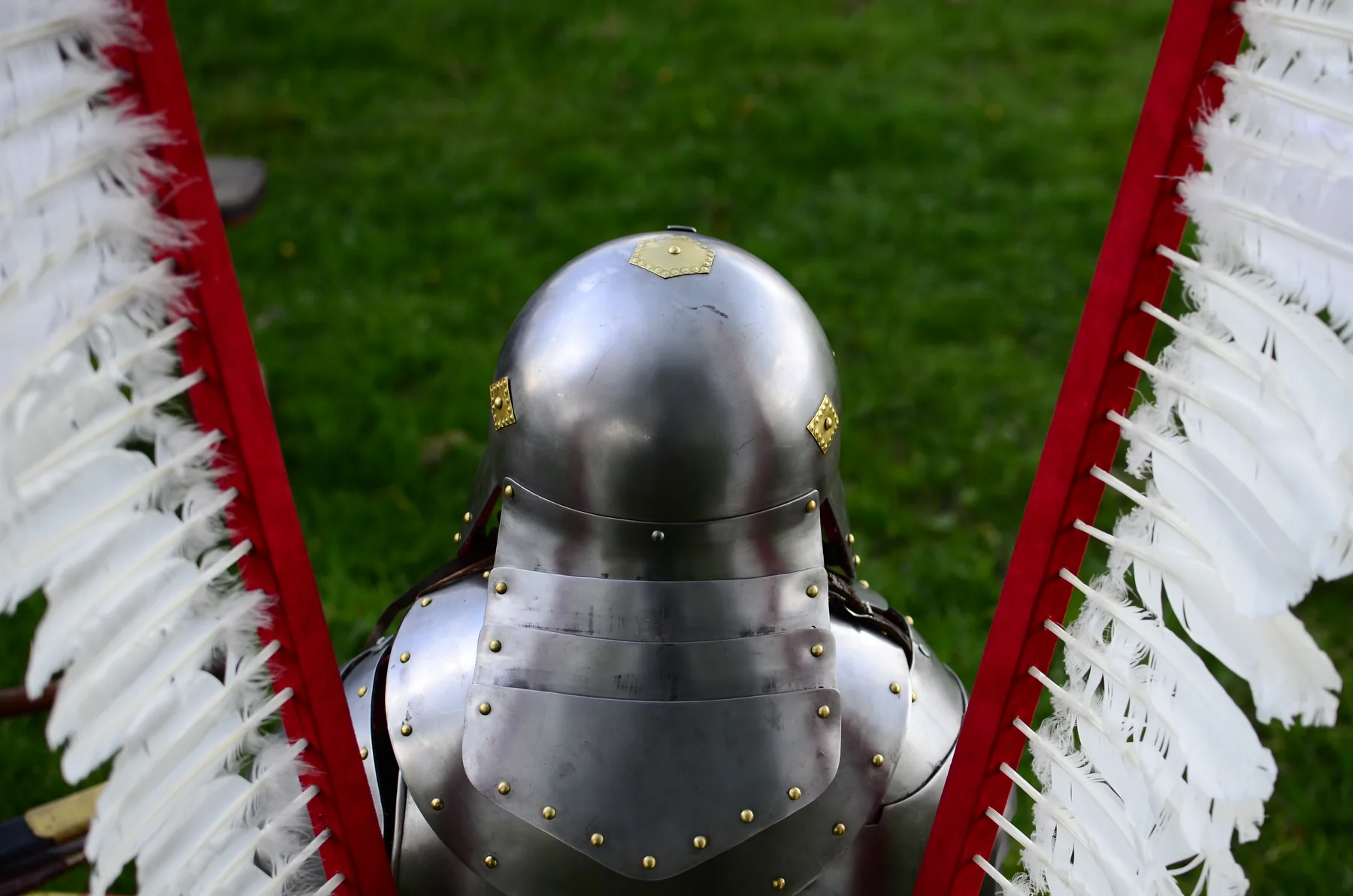
The Swedish band Sabaton has once again brought history and legend together in its signature song “Winged Hussars”. Inspired by the Battle of Vienna in 1683, the song highlights the heroism of the Polish winged hussars, who played a key role in defending Europe against the Ottoman Empire.
Released on their new album, “The Last Stand”, “Winged Hussars” follows Sabaton’s tradition of setting historic battles to music. The song captures the energy and momentum of the band’s concerts and gives fans an immersive listening experience.
As is often the case with Sabaton, the song is rooted in a specific historical setting while transcending time to resonate with listeners today. It is a musical chronicle that honors both the past and the spirit of those who shaped our world.
To learn more about Sabaton and its music, you can visit its official site in France: Sabaton French Division.
The historical context and legend of the Winged Hussars
The Polish hussars, also known as the Winged Hussars, were an elite cavalry force that emerged in the 16th century. Their main role was to protect the army’s flanks and launch decisive charges during battles.
The origins and role of the Polish hussars
The Polish hussars were known for their courage and military tactics. The name “Winged” came from the wooden wings they wore on their shoulders, which were said to frighten the enemy.
The Battle of Vienna, a historical turning point
On September 12, 1683, the Polish hussars played a key role in the Battle of Vienna. Numbering 3,000 among 20,000 men, they led a charge that broke the Ottoman lines.
| Date | Forces | Losses | Outcome |
|---|---|---|---|
| September 12, 1683 | 65,000 Imperial troops and 27,000 Poles | 16,000 killed (Holy League) | Decisive victory |
| Ottoman Empire | 100,000 to 105,000 men | 15,000 killed | Ottoman retreat |
The Battle of Vienna marked a turning point in European history. The Polish hussars saved Vienna and halted the Ottoman advance into Europe.
Learn more about mercenaries and their role in military history.
Sabaton’s musical impact and legacy
Sabaton, a Swedish band known for its distinctive style, has made its mark on epic music with songs that transcend time. Its new album, “The Last Stand”, pays tribute to legendary battles and offers an immersive listening experience.
Exploring the album’s signature tracks
Each track evokes a battle or a defining historical moment. For example, “Sparta” recounts the heroic resistance of the Spartan warriors, while “The Last Battle” highlights the final fighting of the Second World War.
| Track | Theme | Feature |
|---|---|---|
| Sparta | Battle of Thermopylae | Precise historical references |
| Last Dying Breath | The final moments of the war | Intense emotion |
| The Last Battle | End of the Second World War | Powerful guitar solos |
How the battle songs resonate with French audiences
French fans appreciate the way Sabaton conveys the emotion and intensity of combat. The striking choruses and epic melodies forge a strong connection with audiences and make every concert memorable.
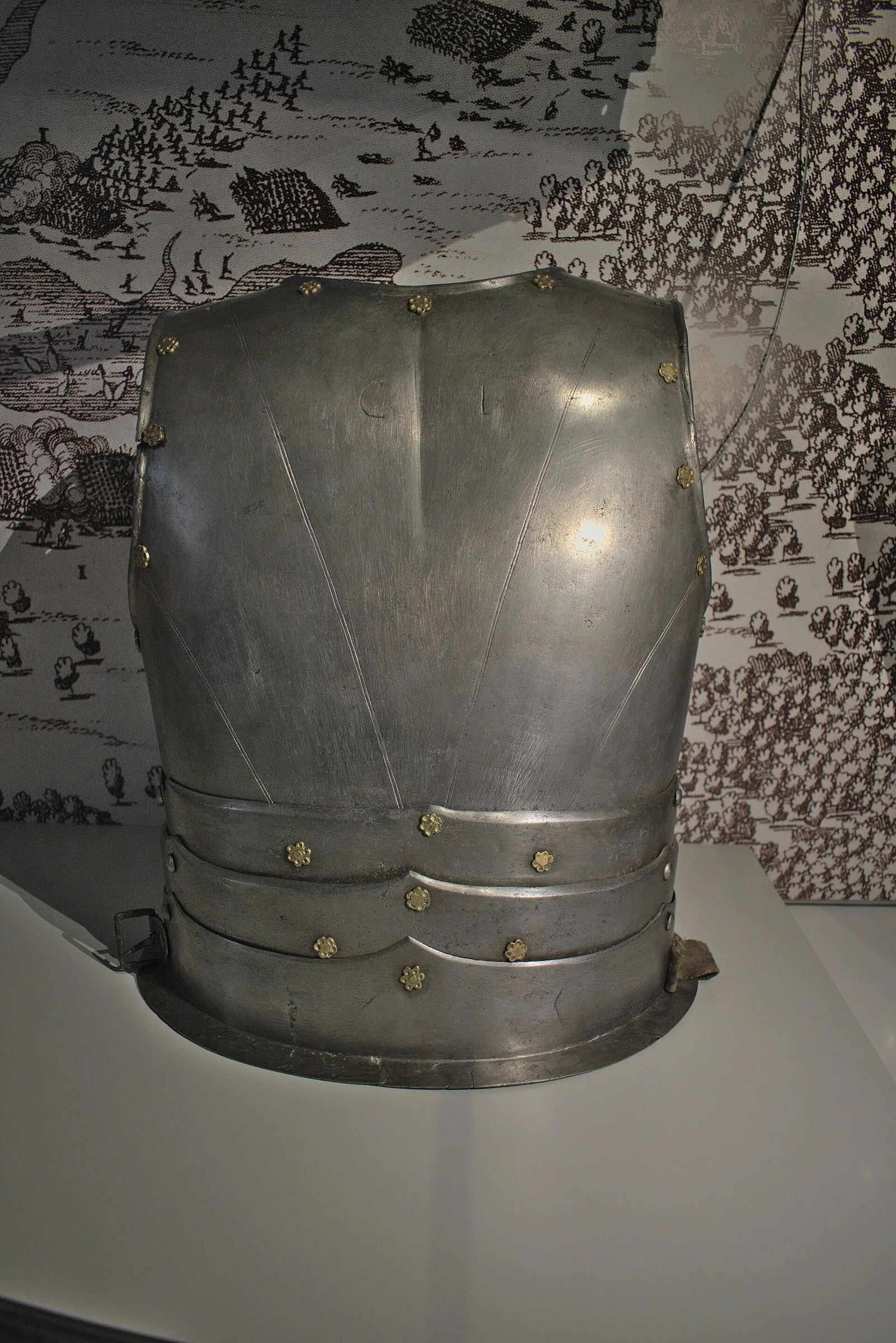
Winged Hussars: Between Legend and History with Sabaton
Sabaton, a Swedish band known for its distinctive style, turns a historical account into a work of art. Through its song “Winged Hussars”, the band offers a fresh perspective on the history of the Polish hussars.
An artistic reinterpretation of a historical account
The song captures the essence of the Battle of Vienna in 1683. Its lyrics emphasize the hussars’ courage, while the music heightens the story’s legendary quality.
The band strikes a balance between historical fidelity and artistic freedom. Its album “The Last Stand” illustrates this musical adaptation.
The hussars’ place in history comes into focus through the musical narrative. The powerful chorus and epic melody underscore the battle’s importance.
By bringing these elements together, Sabaton creates an immersive listening experience. This artistic approach sheds new light on an old legend.
Discover how Sabaton transports its audience through its stage performances.
Battle strategy and reconstruction
The Battle of Vienna in 1683 remains a striking example of military strategy. The Christian forces, led by the Polish hussars, took a key position on a hill overlooking the battlefield. This high ground allowed them to command the terrain and coordinate their attacks effectively.
Details of the military strategy and the siege of Vienna
The allies innovated by using tactics that were new for the time. For example, they used fireworks to disorient the enemy. With their powerful charges, the hussars played a central role in breaking the Ottoman lines.
The allied forces’ tactical innovations
The Christian forces introduced new tactics, including the use of trenches and mobile fortifications. These innovations strengthened their defenses and helped them launch counterattacks.
The battle’s legacy in collective memory
The Battle of Vienna left its mark on history and gave rise to an enduring legend. It became a symbol of courage and resistance that still influences culture and historical storytelling today.
Conclusion
The Swedish band Sabaton has once again captured the essence of history in its song “Winged Hussars”. Inspired by the Battle of Vienna in 1683, this track highlights the courage of the Polish hussars, who contributed to a decisive turning point in European history. The album “The Last Stand” pays tribute to legendary battles and offers an immersive listening experience.
Sabaton reaffirms its legacy by blending history and music, allowing listeners to relive major battles. The military strategies used at Vienna, including high ground and innovative tactics, sum up the spirit of war and strength that still animates our world. Every Sabaton track turns these stories into a moving musical chronicle.
French audiences particularly appreciate the way Sabaton conveys the emotion of combat at its concerts. To discover or revisit this epic story, you can read a concert review of its Hellfest performance. It is an invitation to share an experience full of enjoyment and collective emotion.