
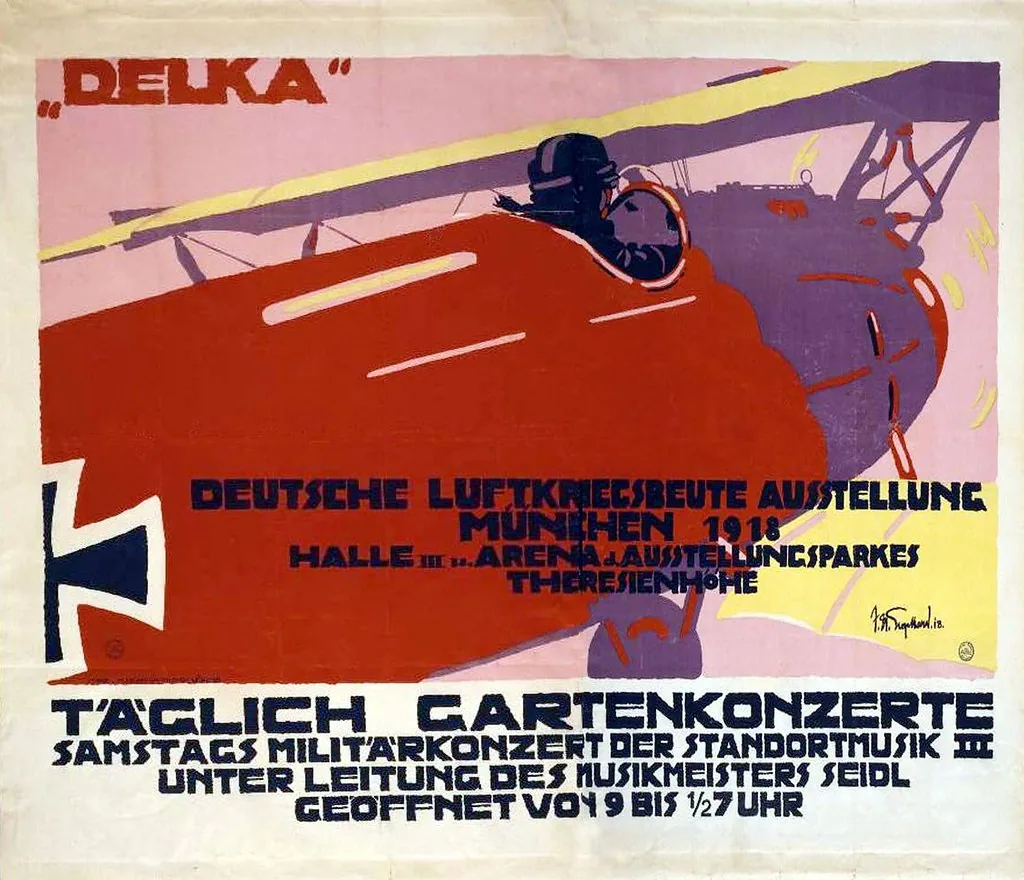
The Swedish band Sabaton is well known for its passion for military history and its ability to tell epic stories through music. On its 2019 album The Great War, Sabaton explores major events of the First World War, including in the song The Red Baron, which pays tribute to Manfred von Richthofen, a legendary pilot of the world war.
Manfred von Richthofen, nicknamed the Red Baron, was one of Germany’s leading flying aces, known for his red Fokker Dr.I. Though brief, his career left a mark on the history of military aviation. Through this song, Sabaton highlights his story and legacy while exploring the historical details that made him an iconic figure.
The album The Great War pays tribute to the Great War and its heroes, offering a distinctive perspective on the events that shaped history. By blending epic music with historical storytelling, Sabaton creates an immersive experience for its listeners. To learn more about Sabaton and its approach to history, you can visit its official website.
Sabaton’s origins and historical context
The Swedish band Sabaton, formed in Falun in 1999, drew inspiration from historical accounts and global conflicts. This passion for military history guided its earliest compositions.
Its song “Fist for Fight” reflects this wartime inspiration and marks the beginning of a discography focused on historical events. Sabaton collaborated with Peter Tägtgren, which influenced its musical style.
Power metal evolved alongside the portrayal of global conflicts, and Sabaton is a notable example. Its albums Primo Victoria and Attero Dominatus highlight historical themes.
| Album | Year | Historical theme |
|---|---|---|
| Primo Victoria | 2005 | Second World War |
| Attero Dominatus | 2006 | Battles around the world |
| The Great War | 2019 | First World War |
Historical events have shaped the band’s lyrics, including songs such as “The Red Baron”, about Manfred von Richthofen. Sabaton draws on military history to create an immersive experience.
To learn more about Sabaton and its approach to history, visit its official website: Sabaton.
The creation of “The Great War” and its innovative concept
The The Great War project, announced on November 11, 2018, marked a turning point in Sabaton’s discography. Released on July 19, 2019, this concept album commemorated the centenary of the end of the First World War.
How the First World War inspired the band
The First World War profoundly inspired Sabaton. The album explores key events, such as the Battle of Verdun, through powerful songs. Sabaton worked with historians to ensure the historical accuracy of its stories.
Sabaton’s approach to telling history
Sabaton takes a distinctive approach to telling history. Each song on The Great War has a companion documentary video on its YouTube channel, Sabaton History, allowing listeners to explore the subject further.
| Event | Date | Description |
|---|---|---|
| Project announcement | November 11, 2018 | Official launch of the The Great War project. |
| Album release | July 19, 2019 | Release of the complete album. |
| Press conference | April 12 and 13, 2019 | Presentation in Verdun for European media. |
To learn more about this landmark album and its historical significance, read this detailed review.
Red Baron: Sabaton and the history of aviation
Sabaton’s song The Red Baron pays a stirring tribute to Manfred von Richthofen, a legendary First World War pilot. The track, from the album The Great War, highlights his legacy and influence on the history of military aviation.
The legend of the Red Baron and his legacy
Manfred von Richthofen, nicknamed the Red Baron, was one of the war’s most famous flying aces. With 80 confirmed aerial victories, he became a symbol of German aviation. His story, closely associated with his red Fokker Dr.I, captivated Sabaton fans, who found an epic and moving tale in the song.
Musical analysis and composition techniques
The song The Red Baron stands out for its inventive arrangement, featuring organ solos inspired by Jon Lord and recalling Deep Purple’s style. Keyboards and guitars intertwine to create an epic atmosphere that strengthens the song’s storytelling. Sabaton aligns its musical performance with the historical narrative, giving listeners an immersive experience.
Its composition techniques, particularly smooth transitions and powerful choruses, add emotional depth to the song. This musical treatment underscores Manfred von Richthofen’s lasting place in history and culture while showing Sabaton’s original approach to the subject.
The project’s marketing and media strategy
Sabaton carefully planned the marketing of The Great War to generate strong interest. The project announcement on November 11, 2018, began a promotional campaign built around striking visuals and gradual reveals.
The launch strategy and visual communication
Posters, music videos and promotional videos played a key role. Each visual element was designed to evoke the First World War era and strengthen the sense of historical immersion. The band also invested in explanatory videos and interviews, offering insight into its creative process.
Using social media and YouTube to tell the story
Social media was used to tell the story through daily posts. The Sabaton History YouTube channel complemented the album with documentaries exploring the historical background of each song.
The press conference held in Verdun in April 2019 increased media coverage of the project and drew the attention of the specialist press. The message Sabaton conveyed withstood criticism while generating public enthusiasm, reflecting close coordination between music and marketing.
Musical and thematic development across the albums
Since its beginnings, the Swedish band Sabaton has come a long way musically and explored a range of historical themes across its albums. Each release shows a development in both music and storytelling.
From Primo Victoria to The Great War: a timeline
The first album, Primo Victoria (2005), launched the band’s career with powerful anthems about the Second World War. Attero Dominatus (2006) explored that theme further, while Coat of Arms (2010) broadened its historical scope.
Later, Carolus Rex (2012) focused on Swedish history, and Heroes (2014) celebrated unsung heroes. The Last Stand (2016) explored desperate battles, before The Great War (2019) paid tribute to the First World War.
The range of themes on each album
Each Sabaton album features inventive musical arrangements and carefully researched historical storytelling. For example, The Great War includes complex keyboard passages that add an epic dimension to its stories.

Hannes van Dahl’s solos and Joakim Brodén’s melodies heighten the emotional impact of each song. This musical development has captivated fans and critics, cementing Sabaton’s place as a band that brings history to audiences through music.
Concerts and fan engagement
Sabaton’s concerts are far more than musical performances. Each show is an immersive experience combining powerful music, spectacular visual effects and intense audience interaction. These performances reinforce the band’s image as a storyteller of history through music.
How epic concerts shape the band’s image
Sabaton’s world tours, along with the Sabaton Cruise in 2010, offer fans unforgettable moments. The stage becomes a spectacular visual space, with sets and lighting effects that provide context for the historical stories told in the band’s songs.
| Tour | Year | Features |
|---|---|---|
| Sabaton Cruise | 2010 | Concert at sea with fans from around the world |
| The Great War Tour | 2019-2020 | International shows with historical staging |
| European Tour | 2022 | Acclaimed concerts across Europe with innovative visual effects |
Sabaton fans particularly appreciate the band’s engagement during concerts. Its constant interaction with the audience, shared historical anecdotes and infectious passion strengthen the connection between the band and its fans. These concerts also play a crucial role in promoting its albums and singles, adding another dimension to its music.
Sabaton also regularly releases concert footage, extending the experience to fans who cannot attend. These videos, often rich in historical detail, allow viewers to relive the distinctive atmosphere of its shows. Each concert is an invitation to step into history, making every performance unique and memorable.
A closer look at standout songs and their historical context
Sabaton’s album The Great War features powerful songs, each telling a poignant story from the First World War. Among them, Fields of Verdun and The Red Baron offer moving journeys into history.
“Fields of Verdun” and its tribute to the heroes of the Great War
Fields of Verdun evokes the Battle of Verdun, which lasted 303 days and caused more than 700,000 casualties. The song conveys the intensity of the fighting and the soldiers’ heroism, highlighting their sacrifice and resilience in the face of war’s horrors. Its emotional lyrics pay tribute to the men who made history.

Interpreting the other notable songs
Beyond Fields of Verdun, songs such as The Red Baron and Seven Pillars of Wisdom tell compelling historical stories. The Red Baron celebrates Manfred von Richthofen, the German flying ace, while Seven Pillars of Wisdom explores campaigns in the Middle East. Through its striking musical arrangements, each song turns history into an immersive listening experience.
| Song | Theme | Historical context |
|---|---|---|
| Fields of Verdun | Battle of Verdun | 303 days of fighting, 700,000 casualties |
| The Red Baron | Manfred von Richthofen | 80 confirmed aerial victories |
| Seven Pillars of Wisdom | Campaigns in the Middle East | Influence of T. E. Lawrence |
The richly detailed compositions strengthen each song’s emotional impact. Sabaton uses powerful melodies and striking lyrics to convey a universal message, making history resonate in every note.
Conclusion
Sabaton has skillfully combined music and history, offering a distinctive perspective on global conflicts. Through albums such as The Great War, the band finds new ways to tell historical stories and captivates music listeners and history enthusiasts alike. The legend of the Red Baron, retold in its music, highlights the pilot’s legacy and his influence on military aviation.
Its marketing approach and stage performances, such as its concert at the Zénith in Paris, reinforce its message. Sabaton uses documentary videos and immersive concerts to convey the emotion and depth of its stories. Each song, such as Fields of Verdun, turns history into a powerful listening experience.
Sabaton’s blend of music and history shows the value of conveying historical stories through art. Its music invites reflection on the lasting effects of these works on audiences and on the history of heavy metal. To learn more about its epic concert at the Zénith, click here.
FAQ
What inspired Sabaton to create “The Great War”?
How is this album connected to the First World War?
What does the title “The Great War” mean?
How does this album differ from earlier ones?
How did Sabaton approach history for this album?
What role did each band member play in the project?
How does the album pay tribute to soldiers?
Are there notable songs or singles from this album?
What message does Sabaton hope to convey with this album?
How does the music reflect the atmosphere of war?
Source links
- https://www.hearstnetworks.com/
- https://www.loudersound.com/reviews/sabaton-arise-victorious-with-new-album-the-great-war
- https://history.blog.gov.uk/2018/04/20/they-seek-him-here-the-life-and-death-of-the-red-baron/
- https://www.awm.gov.au/visit/exhibitions/1918/people/rbaron
- https://distortedsoundmag.com/album-review-the-great-war-sabaton/
- https://www.forgotten-scroll.net/metal-reviews/sabaton-the-great-war/