
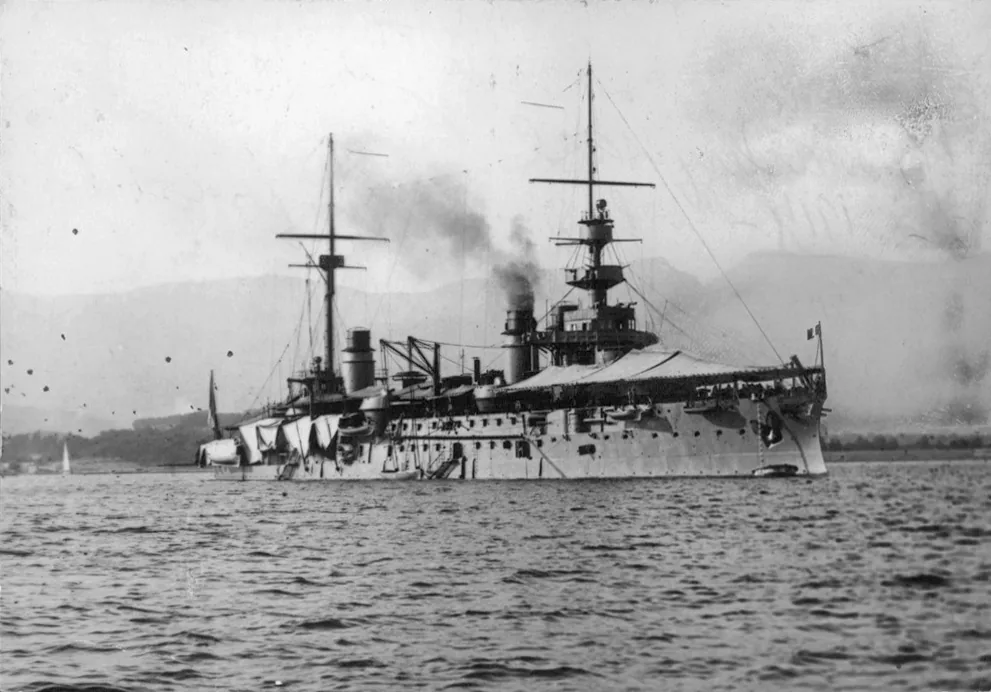
The battleship Bismarck, a giant of the seas during the Second World War, represents a significant chapter in German military history. Designed to dominate the oceans, it was launched in 1939 and commissioned in 1940. At 251 metres long and with a displacement of 41,700 tonnes, it was one of the largest warships of its time.
The Swedish band Sabaton, known for songs inspired by military history, pays tribute to this legendary ship. Its album explores the historical events surrounding Bismarck and the intense emotions soldiers experienced during battles. For example, the song Primo Victoria evokes the harshness of war and the sacrifices of those who fought.
The First World War marked the beginning of an era of global conflicts, of which Bismarck is a symbol. Its story is inseparable from the Second World War, when it played a key role in naval operations. Through its music, Sabaton tells these stories with passion and respect, combining historical facts with powerful emotions.
Audiences are captivated by stories that connect past and present. In this article, we explore the links between Bismarck and Sabaton’s album, highlighting the historical and musical aspects of this fascinating subject.
Introduction
The Swedish band Sabaton is famous for its distinctive blend of military history and music. Inspired by significant historical events, its album carries listeners into bygone eras through powerful melodies.
Each song on the album tells a story and makes history accessible to everyone. For example, Sparta evokes the commitment of Spartan warriors and captures the atmosphere of a declaration of war.
Sabaton stands out for its immersive approach, both in the studio and on stage. Its music creates a captivating atmosphere and draws audiences into historical stories.
| Aspect | Studio | On stage |
|---|---|---|
| Production | Epic arrangements, powerful melodies | Visual effects, theatrical performances |
| Atmosphere | Intense, dramatic | Energetic, interactive |
| Experience | Immersive, narrative | Interactive, emotional |
Sabaton’s concerts, with their spectacular visual effects, heighten the songs’ emotional impact. This article examines these elements in detail and offers an overview of this distinctive fusion of history and music.
Next, we will explore the battleship Bismarck’s historical origins and its influence on Sabaton’s music.
Historical and military background of Bismarck
The battleship Bismarck, a symbol of military power, holds a central place in the history of the Second World War. Construction began in 1936, and it was launched on 14 February 1939. It was one of the largest warships of its time.
Key facts about the German battleship
Bismarck was designed to dominate the oceans. At 251 metres long and with a displacement of 41,700 tonnes, it carried eight 380 mm guns and heavy armour, making it a giant of the seas.
Its strategic role during the Second World War
Bismarck played a key role during the Second World War, particularly in Operation Rheinübung in 1941. It sank the British battlecruiser HMS Hood during the Battle of the Denmark Strait.
Its defiant spirit and power inspired Sabaton, which evokes this era through powerful melodies.
The origins and legend of Otto von Bismarck
Otto von Bismarck, a central figure in German history, left his mark on his era through his authority and political vision. His rise began in Prussia, where he became chancellor, and continued with the unification of Germany in 1871. Sabaton captures the essence of that period through powerful melodies and hard-hitting guitar riffs.
From unifying chancellor to iconic figure
Born into a family of minor nobility, Bismarck rose through the ranks of power thanks to his political intelligence and charisma. He played a key role in the Second Schleswig War and the Franco-Prussian War. Sabaton highlights these historical events with epic guitar solos.
His legend took shape through his social reforms and skilful diplomacy. Bismarck managed to reconcile military power with social progress. Sabaton reflects this duality in striking lyrics that aim for historical accuracy.
Despite the challenges he faced, Bismarck left a lasting legacy. His influence on German identity endures and inspires generations. By capturing his spirit, Sabaton shows how history can resonate through music.
Sabaton: a fusion of history and music
The Swedish band Sabaton has forged a distinctive identity by blending historical events with powerful melodies. Each song tells a story and transports listeners through time.
A desire to revisit historical events
Sabaton explores significant events in hard-hitting songs. For example, Sparta evokes the bravery of Spartan warriors, while Last Dying Breath captures the intensity of a soldier’s final moments. With their memorable choruses, these songs recreate the atmosphere of legendary battles.
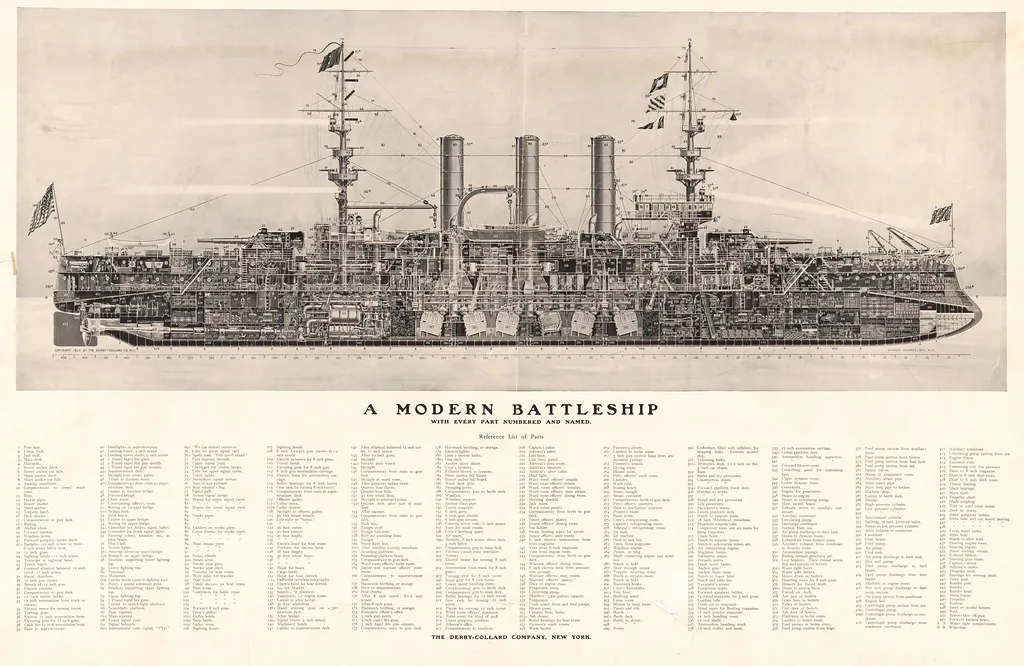
The impact of concerts on audiences
Sabaton’s concerts offer an immersive experience. Visual effects and theatrical performances heighten the songs’ emotion. Captivated by these historical stories, audiences participate enthusiastically and create an electric atmosphere. Each track tells a distinctive story that connects past and present.
The fusion of historical rigour and musical power helps explain fans’ enthusiasm. Sabaton makes history accessible and exciting, both in the studio and on stage, and leaves a lasting impression on its audience.
Behind Bismarck: History and Meaning for Sabaton
The battleship Bismarck, a symbol of military power, represents a significant chapter in German naval history. Its imposing silhouette, length of 251 metres and displacement of 41,700 tonnes command respect and admiration. Through powerful melodies, Sabaton captures the essence of this legendary ship and turns its story into an immersive musical experience.
Bismarck represents much more than a warship. It embodies a spirit of defiance and resilience, values Sabaton foregrounds in its songs. The lyrics, often rich in historical detail, offer an in-depth look at significant events of the Second World War. For example, the song Bismarck evokes naval battles and the emotions of the sailors aboard.
Each member of Sabaton brings an artistic touch to this fusion of history and music. Keyboardist Joakim Brodén explains in an interview:
“We want every song to tell a story, whether through its lyrics or its melodies.”
This narrative approach makes the album even more engaging for listeners.
The album’s emotional dimension extends beyond its lyrics. The compositions, with their hard-hitting guitar riffs and epic solos, strengthen the dramatic atmosphere. Sabaton transports its audience into a world where past and present mingle, creating an unforgettable listening experience.
Exploring the influence of great battles
Great battles have always inspired artists, and Sabaton is no exception. The band draws on military history to create powerful songs.
From the Battle of Belgrade to clashes at sea
The Battle of Belgrade, notable for its strategic context, influenced Sabaton’s lyrics. Naval clashes offer a broader perspective on fighting at sea.
The symbolism of combat in the lyrics
Sabaton’s lyrics are rich in symbolism. For example, the Battle of the Atlantic highlights the hardships sailors faced.
| Battle | History | Musical portrayal |
|---|---|---|
| Belgrade | Major conflict in Europe | Song with powerful riffs |
| Battle of the Atlantic | Allied convoys facing submarines | Intense melodies |
These battles inspire Sabaton to create melodies that captivate audiences.
Stories of epic combat on the album
Sabaton’s album carries listeners through eras marked by legendary conflicts. Each song is a journey through time that captures the intensity of battle.
Examining songs such as “Sparta” and “Last Dying Breath”
“Sparta” evokes the bravery of Spartan warriors through powerful riffs and memorable choruses. Its intense melodies recreate the atmosphere of the era.
“Last Dying Breath” immerses listeners in the First World War and conveys soldiers’ emotions. Critics highlight its authenticity.
These songs go beyond historical commentary to offer an immersive experience. In this way, Sabaton creates an emotional connection with its audience.
Musical structure and epic arrangements
Sabaton’s music stands out for its epic structures and forceful arrangements. Each track is a musical journey in which powerful riffs and guitar solos take centre stage.
Riffs, guitar solos and impressive choirs
Joakim Brodén, the charismatic singer, and Tommy Johansson, the virtuoso guitarist, are central to this musical chemistry. Tommy Johansson’s riffs provide a solid foundation, while the solos add intense emotion.
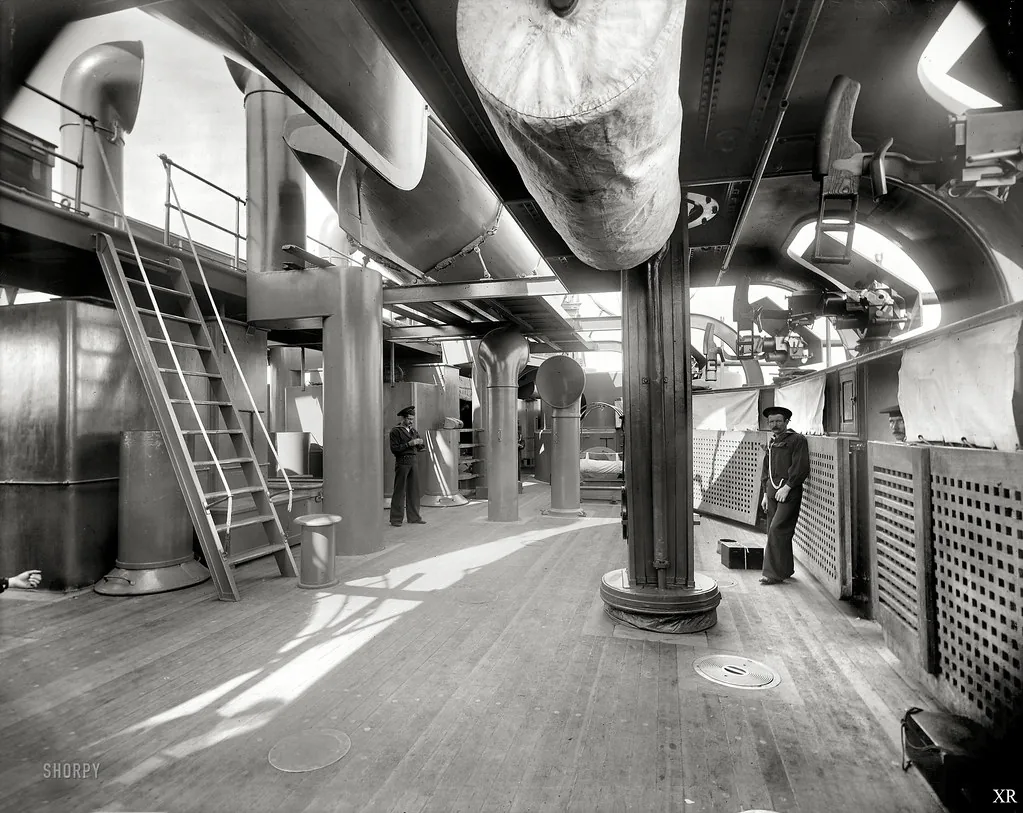
The choirs, often singing in harmony, add to the songs’ intensity. Combined with powerful melodies, these vocal harmonies create an immersive atmosphere. The history Sabaton recounts becomes an unforgettable musical experience.
| Element | Studio | On stage |
|---|---|---|
| Guitar riffs | Complex structures, precise arrangements | Dynamic performances, audience interaction |
| Guitar solos | Technical execution, intense emotion | Theatrical improvisations, visual effects |
| Choirs | Rich harmonies, multitrack recording | Audience participation, a shared atmosphere |
Joakim Brodén and Tommy Johansson each bring their own touch, turning history into music. Their contributions, particularly Tommy Johansson’s solos, enrich the album. The stories Sabaton tells come alive through these arrangements, offering an epic listening experience.
Learn more about Sabaton’s history and music.
Historical references in Sabaton’s world
The Swedish band Sabaton is famous for songs inspired by historical events. The album explores significant events and offers a distinctive perspective on figures such as Carolus Rex, a central figure in Swedish history.
The lyrics abound with historical references and recreate the atmosphere of battles and reigns. For example, Carolus Rex evokes the reign of Charles XII and highlights his impact on military history.
These historical references deepen the enthusiasm of fans, who appreciate the detail and richness of the stories. Sabaton builds an emotional connection with its audience by telling stories rooted in real events.
Learn more about Sabaton’s history and music.
The influence of the First and Second World Wars
The two world wars profoundly shaped history and continue to inspire contemporary art. The Swedish band Sabaton, known for combining music and history, has explored these significant events.
Bringing different eras together through music
The First and Second World Wars provide abundant material for musical storytelling. Sabaton explores these periods through powerful songs that capture the intensity of combat and the emotions of soldiers.
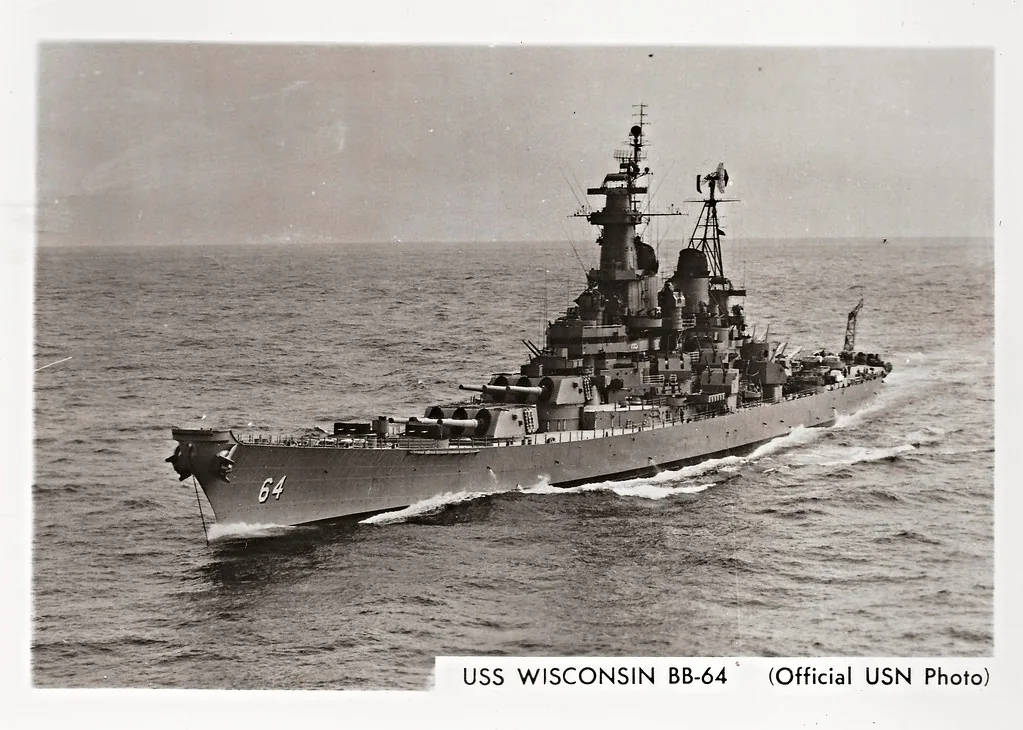
The band skilfully weaves these historical stories into its music. For example, tracks such as Bismarck evoke naval battles, while other songs deal with soldiers’ lives during the First World War.
| Period | Influence on the music |
|---|---|
| First World War | Intense melodies evoking the trenches |
| Second World War | Epic arrangements reflecting air and naval battles |
Learn more about the influence of the wars on Sabaton’s music.
The symbolism of Bismarck in popular culture
Bismarck, a symbol of power, has entered the public imagination beyond its historical context. Now an icon, it has a prominent place in various media, including YouTube channels, where it inspires documentaries and in-depth analyses.
Sabaton’s song Bismarck conveys a clear idea: the ship embodies both power and tragedy. The album explores this duality through powerful melodies, turning a historical event into a contemporary myth.
This song, like the album as a whole, influences popular culture by inspiring creators and fans. It recalls other historical figures reinterpreted in contemporary art and shows how the past can resonate in the present.
Fans highlight the emotional impact of these stories, which connect history and music in a distinctive way. Through these different forms of expression, Bismarck becomes much more than a historical symbol: it becomes a living cultural icon.
Examining the album’s other standout tracks
Sabaton’s album is a musical odyssey in which every track tells a story. Its varied tracklist contains songs portraying different battles and historical events.
Examining the tracks and their hidden messages
Each song on the album was carefully selected to offer a distinctive perspective on significant historical events. For example, tracks such as Primo Victoria and Bismarck evoke legendary battles and the intense emotions of soldiers.
The music videos accompanying these songs add a powerful visual dimension. On Sabaton’s YouTube channel, fans can discover striking images that bring the historical stories to life. Through elaborate staging, these videos heighten the songs’ emotional impact.
The order of tracks on the album helps create a coherent musical narrative. Each song, with its symbols and hidden messages, forms part of a broader story. For example, Carolus Rex explores the legacy of a historical figure, while Shiroyama highlights a lesser-known chapter of history.
Fans particularly appreciate the richness of detail and historical accuracy of the lyrics. Together with the powerful melodies, these elements offer an immersive experience that goes beyond simply listening to music. The complete tracklist reflects Sabaton’s passion for history and its talent for telling stories through music.
The stories and meaning of the battles portrayed
Each song on the album tells a compelling story that takes listeners to the heart of legendary battles. Rich in historical detail, these stories offer a distinctive perspective on significant events.
| Battle | History | Musical portrayal |
|---|---|---|
| Belgrade | Major conflict in Europe | Song with powerful riffs |
| Battle of the Atlantic | Allied convoys facing submarines | Intense melodies |
The decision to release certain notable tracks as singles highlights key moments. For example, Bismarck captures the intensity of a naval battle, while Primo Victoria evokes the harshness of war.
A particular day often occupies a central place in these stories. It marks a decisive moment, such as the Battle of the Denmark Strait, when Bismarck faced HMS Hood. Music brings these historical moments vividly to life.
The band incorporates playful or strategic elements, turning battles into a kind of narrative game. For example, Last Dying Breath explores soldiers’ emotions and adds an intense emotional dimension.
Combined with powerful melodies, these stories give the album a distinctive energy. Each song becomes an immersive musical journey connecting past and present.
The visual impact and energy of the concerts
Sabaton’s concerts offer an epic visual experience, with each song becoming a journey through history. Spectacular stage effects, such as fireworks and video projections, immerse the audience in the atmosphere of the battles portrayed.
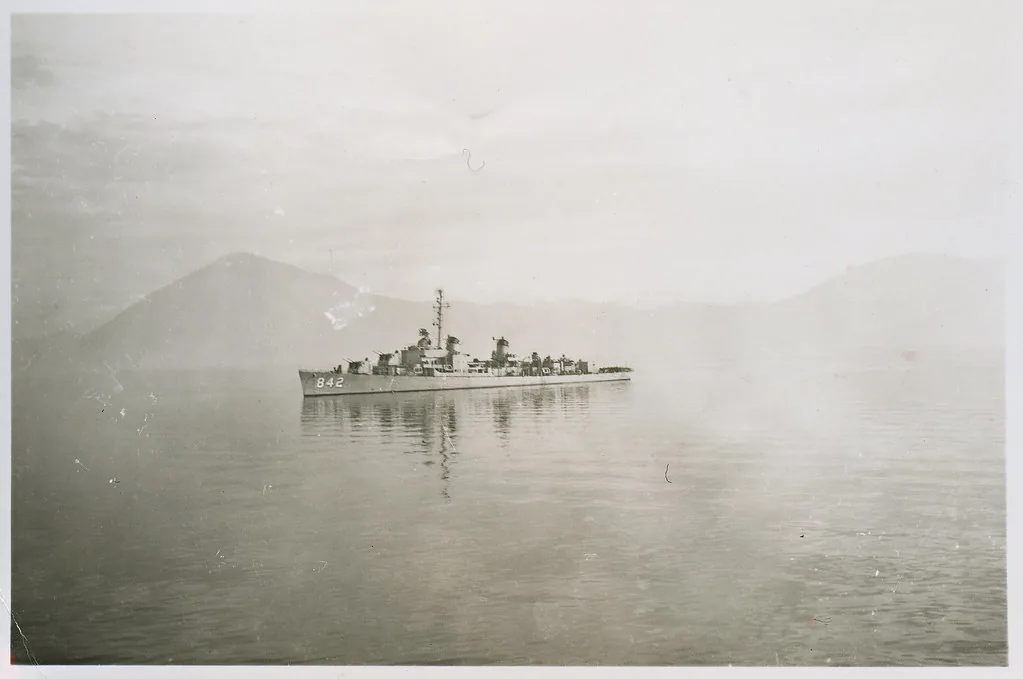
The band adds visual elements to its songs, heightening the stories’ emotion. For example, during Bismarck, images of the battleship at sea are projected, immersing the audience in the era.
On the Sabaton History YouTube channel, fans share concert videos that capture the energy of the performances. These posts show how visual effects and theatrical performances amplify the impact of the battles being told.
The energy on stage creates a strong emotional connection with the audience. The battles are told and felt through the music and visual effects, making for an unforgettable experience.
The subject’s historical and cultural legacy
The battleship Bismarck, a symbol of military power, left its mark on German naval history during the Second World War. Its launch in 1939 and scuttling in 1941 were key events in the history of the world’s warships.
From battleship to national icon
Bismarck became a cultural icon beyond its historical context. It is compared with other famous warships, such as HMS Hood, adding to its worldwide renown.
From the 1930s to the 1940s, Bismarck influenced popular culture. Sabaton paid tribute to this legendary ship by weaving historical elements into its songs.
This icon continues to resonate around the world, inspiring artistic works and historical studies. Bismarck remains a major symbol connecting past and present in a distinctive way.
Conclusion: interpretation, resonance and points of interest
Through this album, Sabaton invites us to rediscover history from a distinctive perspective. Each carefully orchestrated song captures the essence of legendary battles. Fans particularly appreciate the historical detail and powerful melodies, which make the musical experience even more immersive.
The themes explored on this album resonate deeply with audiences. Concerts, with their spectacular visual effects, heighten the emotional impact of every minute of music. Sabaton connects past and present and offers a distinctive perspective on significant historical events.
The album stands out for its bold storytelling. Positive responses from audiences and critics highlight the quality of this fusion of history and music. Sabaton preserves historical heritage while adapting it for our time.
This album is much more than a collection of songs. It pays tribute to forgotten heroes and the battles that shaped our world. By exploring these stories, Sabaton reminds us of the importance of remembering the past as we build a better future.
To explore this subject further, we invite you to discover other articles and documentaries online. History is everywhere, and Sabaton shows us how to revisit it with passion and respect.