
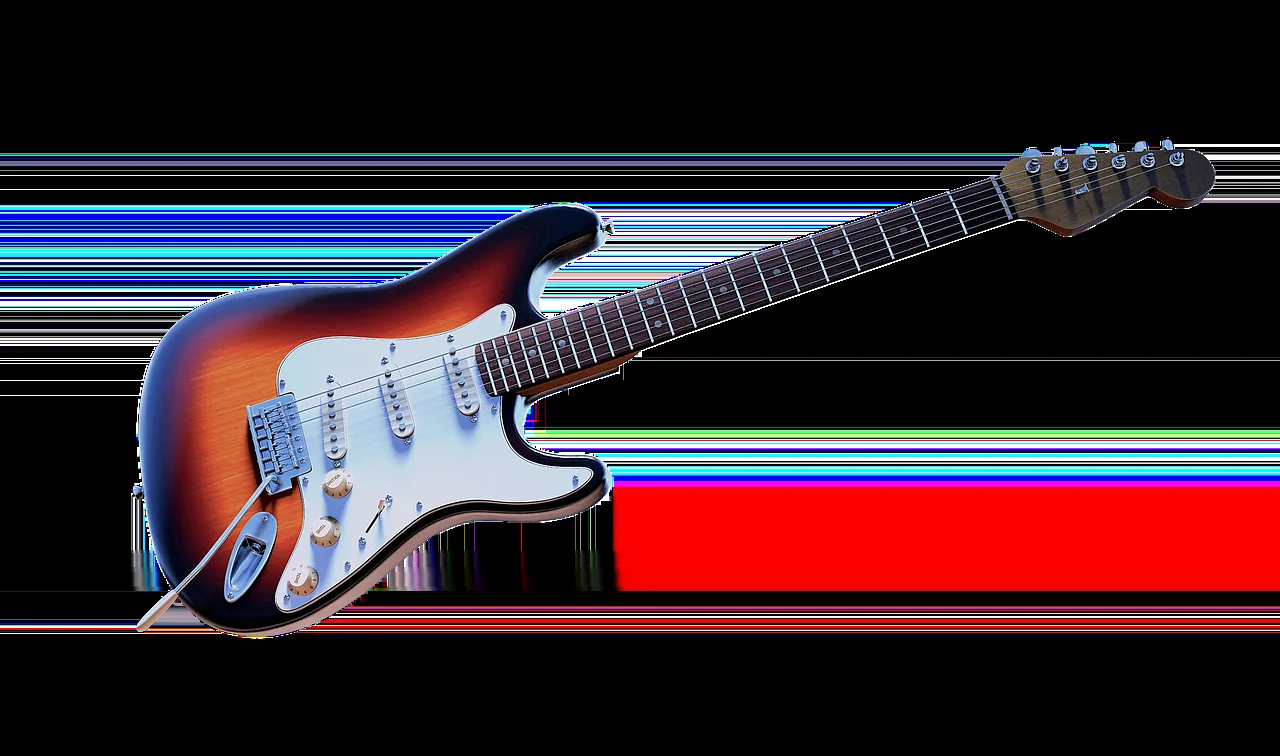
Communication Breakdown: Punk Energy Ahead of Its Time is presented here as a brief but intense signal in rock history. This Led Zeppelin song strikes with its speed and urgency. It is often heard as a burst of proto-punk energy that anticipated a musical revolution.
Readers will discover the song’s origins, the London setting of the late 1960s, its rapid recording at Olympic Studios and its release dates: on the album Led Zeppelin I on January 12, 1969, then as a single on March 10, 1969. We will also examine its reception and legacy.
Our aim is to provide a contextual account that separates legend from verifiable facts. We will discuss the October 1968 sessions and clarify the credits and chart positions. This approach will show what belongs to myth and what can be documented.
Its sound in brief: a fast riff, a taut tempo and a quartet on fire. That immediate energy runs through both the studio recording and live performances, showing why the song marks a milestone in the history of hard rock.
Why this song is resurfacing in rock history today
Today, the song reappears in discussions because it packs speed and rawness into less than three minutes.
Back on playlists: it appears in proto-punk compilations and studies of rock riffs. Its renewed presence fuels debate about its role as a turning point between blues and hard rock.
A retrospective view: analyzing the song today helps us see how musicians were already experimenting with tension and speed in 1969. This perspective sheds light on its influence on an emerging scene.
Led Zeppelin I is regarded as a foundational debut album, but conflicting stories also surround the record. We will examine the dates, credits, recording conditions, single release and initial reception to distinguish myth from fact.
Finally, the legend surrounding the band sometimes obscures concrete details: tours, studio methods and each musician’s specific role. Before turning to the song, we need to place it all in a changing London.
Late-1960s London: when rock grew heavier
In late-1960s London, amplified blues was changing shape. Small clubs and studios filled with young musicians seeking a bigger sound.
Record labels and studio sessions encouraged competition over sound. Musicians pursued distortion, heavier rhythms and a denser live sound.
Psychedelia provided the backdrop, but the stylistic shift pointed toward a new heaviness. This transformation made room for hybrid bands equally at home in the studio and onstage.
Artistically, the Beatles seemed to be taking a pause while the Rolling Stones showed new ambitions. This shift marked an era when the pursuit of a new sound became central to the world of rock.
This climate set the stage for bands combining live power with studio expertise and helped albums such as Led Zeppelin I take shape.
From the Yardbirds to Led Zeppelin: the birth of a band
When the Yardbirds came to an end, Page moved quickly: he formed a new band to establish a more direct sound.
Jimmy Page brought his studio experience. The guitarist knew recording techniques and approached the band’s sound as a production. His method favored effective takes, clear sonic choices and a strategy that gave the whole performance force.
John Paul Jones provided harmonic stability. A multi-instrumentalist, he handled bass, keyboards and arrangements. His presence thickened the sound without overcrowding it.
Robert Plant brought a high, theatrical voice rooted in the blues. He used his singing as an instrument that could intensify short, forceful phrases.
John Bonham changed everything with his drumming. His groove and power drove the fast tempos while preserving the song’s foundation.
Ultimately, the chemistry rested on two musicians seasoned in the studio and two others seasoned onstage: a combination that would forge the band’s identity.
The New Yardbirds’ Scandinavian tour: a laboratory for “Communication Breakdown”
This short Nordic tour served as a testing ground for a riff born on the road rather than in the studio.
A riff developed on the road
Jimmy Page shaped the guitar figure during the first concerts in Scandinavia, when the band was performing as the New Yardbirds.
Those Nordic dates let the musicians test their sound and build a shared instinct before recording.
Improvisations, blues-rock medleys and rising intensity
Without enough material for a full repertoire, the band stretched songs through improvisations and medleys. These live performances became a genuine laboratory.
Onstage, tempos quickened, attacks became more forceful and the group’s collective dynamics grew harder.
- Scandinavia: first dates and a test of the sound.
- Laboratory: improvisations and extended songs.
- Birth of the riff: live material sharpened before the studio session.
- Live approach: urgency, a simple riff and immediate impact.
This method helps explain why the song sounds like a sharp blow: the band first refined the idea in concert, then tried to capture that intensity in the studio.
Recording at Olympic Studios: an album finished in 36 hours, with a massive sound
The London recording shows how controlled urgency can produce a lasting album.
In October 1968, at Olympic Studios, the band completed the record in about 36 hours. The pace was intense, but the result remained tight and coherent.
Speed of execution and surprising coherence
Working so quickly demanded clear choices: long takes, few touch-ups and sparing use of effects.
The result was a lively sound close to a concert performance, where small imperfections heighten the tension.
Jimmy Page as producer: recording “as if live”
Jimmy Page took his role as producer seriously. He sought to capture the band’s dynamics rather than polish every detail.
The placement of instruments and microphones emphasized the interaction between the music and the room.
The drum sound: a force that “pins your head against the wall”
Bonham’s drums were brought forward by the recording. The result conveys weight and propulsion.
This choice produces crisp attacks and an almost physical sensation, particularly on the faster songs.
- Location: Olympic Studios, London.
- Period: October 1968, about 36 hours of recording.
- Approach: live takes, few studio overdubs and production focused on impact.
| Element | Production choice | Effect |
|---|---|---|
| Duration | About 36 hours in total | Urgency and coherence |
| Technique | Live takes, close microphones | Clarity of attack |
| Drums | Emphasis on the kit and the room | Physical presence and depth |
| Jimmy Page’s role | Producer, responsible for recording choices | A compact, clear sound |
These decisions help explain the speed and clarity of the song at the center of this analysis. The record as a whole reads like a manifesto: play loudly and clearly to establish a new aesthetic.
For a broader view of the period, see the retrospective Becoming Led Zeppelin.
Led Zeppelin I: a foundational record that set the stage for an explosion
Led Zeppelin I announced itself on release as a statement of power, bringing diverse influences together in a compact record.
Good Times Bad Times opens the debut album with a beat that establishes the drums as a rhythmic force. The prominent tempo and accents create an instant signature.
Dazed and Confused illustrates the band’s daring: psychedelia, tension and the use of a violin bow to heighten the drama. It shows that the record explores more than blues alone.
The record alternates between amplified blues, acoustic folk passages and heavier moments. This variety creates complementary songs that hold the listener’s attention.
When it was released on January 12, 1969, the album divided critics. Over time, it came to be regarded as an influential debut capable of reshaping the landscape of music in the world of rock.
Amid this mosaic, “Communication Breakdown” stands apart from the other songs through its speed and urgency.

“A first attempt that was already structured, changing the perceived scale of power.”
Communication Breakdown: punk energy ahead of its time
The song’s opening hits like a punch: an immediate attack, a taut tempo and no frills. This sonic sprint declares its purpose from the first second.
A lightning-fast introduction: the guitar establishes the urgency, and the rhythm section responds with a direct attack. The choice is clear: favor impact over extended instrumental passages.
Chorus and groove: despite the speed, the rhythm section keeps its groove. The chorus works through simplicity and is easy to remember. The bass supplies a melodic line that supports the momentum without weighing it down.
The vocal is aggressive and tense, almost commando-like. It provides a release and adds to the drama rather than showcasing virtuosity.
Jimmy Page’s solo is brief but edgy: fast, biting and effective. It bursts in, cuts through and ends without dragging on.
Finally, backing vocals would be rare on the band’s later albums. Here, they punctuate the song and provide a sonic marker in a structure built for urgency.
Songwriting and influences: from Eddie Cochran’s Nervous Breakdown to Page’s riff
A riff can emerge from a shared musical memory as much as from an individual flash of inspiration. Here, the connection to Eddie Cochran’s “Nervous Breakdown” is more a lyrical allusion than a borrowing of the music. It places the idea of a “breakdown” in a rock and roll lineage spanning decades.
Lyrical allusion and rock and roll lineage
The reference to Cochran works as a nod. It reminds us that rock has drawn on short, nervous figures since its beginnings.
Page takes up this idea of rupture but adapts it into a much tenser, more compact form.
Riff structure: a light influence, a personal signature
The figure rests on the repetition of a short phrase played on guitar with a sharp attack. Repetition creates tension; the rhythm section holds the tempo and drives the song forward.
Jimmy Page makes this device his own: phrasing, shifts in dynamics and rhythmic breaks forge an instantly recognizable signature.
From stage to studio
Designed to be played loudly in concert, the riff becomes a weapon in the studio. The recording aims to capture the pressure felt onstage without diluting it.
As you listen, notice where the guitar “pushes” just before each return of the chorus and how the bass sustains the pulse.
“A simple figure, repeated insistently, can define a song’s entire identity.”
Credits, songwriters and production: who really wrote the song?
The credits printed on the sleeve clearly name the writers: Jimmy Page, John Paul Jones, Robert Plant and John Bonham.
At the time, the band was young, and collective writing was common. Several songs therefore carry all four members’ names, reflecting shared work as well as individual contributions.
Songwriting credits
The official credits attribute the song to Page, John Paul Jones, Plant and Bonham. On some reissues, Robert Plant’s name appears changed or moved, a detail worth noting in the history of the credits.
The producer’s role
Jimmy Page is more than the guitarist here: he directs the recording and mixing choices. As producer, he shapes the final result and maintains the unity of the album.
- Riff and structure: Page’s idea.
- Foundation and arrangements: John Paul Jones.
- Vocals and phrasing: Robert Plant.
- Rhythmic drive: John Bonham.
“The credits reflect collective work, while the production expresses an overall vision.”
Here we stick to what is documented and audible in the studio recording. A song can retain its artistic power even if its commercial release has an uncertain start.
Single and reception: “Good Times Bad Times” on the A-side, success later
The timeline is straightforward: the album was released on January 12, 1969, followed by the single on March 10, 1969. This sequence first gave the record time to establish itself, then promoted a track to radio.
The single places Good Times Bad Times on the A-side and “Communication Breakdown” on the B-side. This pairing seeks a balance between radio appeal and live energy.
Its initial reception was modest. The single reached a position well below the top of the charts, around No. 80 in the United States. That ranking does not reflect the record’s later importance.
Several factors help explain its delayed success: limited radio play, changing public tastes and exposure driven mainly by concerts and word of mouth.
| Date | Release | Single configuration | Initial chart position |
|---|---|---|---|
| January 12, 1969 | Album | — | — |
| March 10, 1969 | Single | A-side: Good Times Bad Times B-side: the fast song |
Around No. 80 in the United States |
| After 1969 | Reappraisals | Appearances on compilations and renewed listening | Greater historical importance |
A brief appearance on the charts does not erase the artistic impact. Live performances and reassessment by later generations extended the song’s reach.
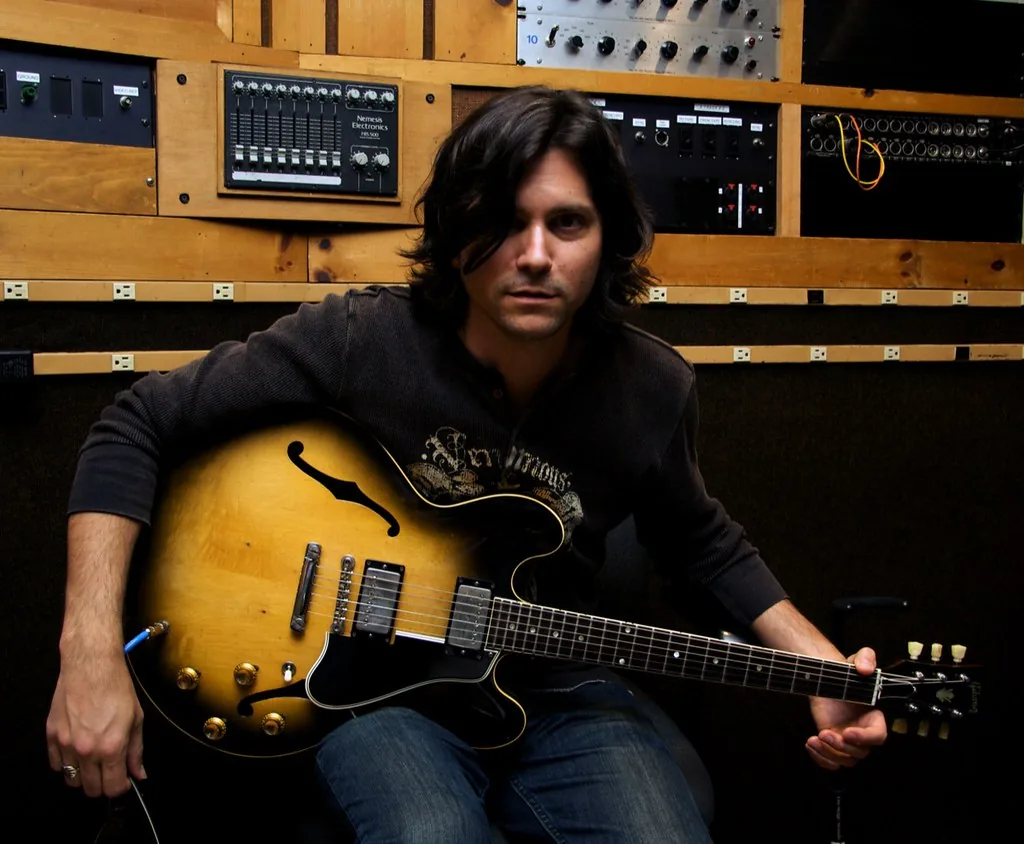
Hard rock, “heavy” and proto-punk: where does Communication Breakdown fit?
The song can be heard as a turning point: a harder sound forged in clubs, yet still rooted in a blues vocabulary. Its classification depends on the historical perspective.
Labels and eras: in the late 1960s, musicians spoke of a “heavy” sound still taking shape. The term hard rock became more clearly defined later. In retrospect, the song can also be placed in a proto-punk lineage.
Why some call it “pure hard rock”: fast tempo, prominent distortion, a central riff and no frills. The structure is compact; everything aims for immediate impact.
Blues heritage and transformation: the song draws on blues vocabulary—pentatonic figures and interplay between instruments—but increases the pace and sharpens the aggression.
Compared with other bands of its time, the group made its sound denser and faster in its own way. Depending on the perspective, the song belongs to several musical lineages.
“A short piece can sit at the crossroads of tradition and change.”
Instrumental analysis: guitar, bass, drums and vocals in commando mode
An instrumental analysis reveals why this song seems made for the stage.
Electric guitar: distortion, attack and a sense of urgency
The guitar establishes the riff through controlled distortion and crisp attacks. The repeated figure drives the song. The short, edgy solo serves its momentum rather than putting on a display.
John Paul Jones’s bass: groove and melodic role
John Paul Jones plays a melodic bass line closely tied to the rhythm section. It supports the chorus and interacts with the guitar, sometimes independently, but always in service of the tempo.
Bonham’s drums: martial attack and propulsion
John Bonham brings a martial attack. The drums emphasize the beats and drive the song forward. The effect is physical: you feel the force of the tempo.
Plant’s vocals: intensity, theatrical delivery and raw energy
Robert Plant projects an aggressive, theatrical voice. His performance turns simple lyrics into something tense and urgent.
Interaction: the effect comes from synchronization. No single instrument dominates; the tension grows from the band’s cohesion.
Listening guide:
| Part | Characteristic | Role | Key moment |
|---|---|---|---|
| Guitar | Controlled distortion | Drives the riff | Introduction and choruses |
| Bass | Melodic and full | Rhythmic support | Bridges and choruses |
| Drums | Martial attack | Propulsion | Fast transitions |
| Vocals | Theatrical projection | Dramatic emphasis | Verses and backing vocals |
A song made for the stage: concerts, power and audience reactions
Onstage, the song erupts from its first notes and fills the room with a compact sound.
The logic of “playing loudly to be heard” came from the clubs. Musicians of the era had to make themselves heard within the overall sound. They played with an intensity that created a physical jolt.
Why the song works live: a short structure, an immediate surge and a chorus that brings the audience together. This formula catches attention in seconds and leaves little room for distraction.
The band’s power lies in its control. The parts are simple but precise. They leave space for improvisation without losing the song’s framework.
The recording sought to retain that concert feeling. Studio work favored direct takes to preserve the same impact as a live performance.
The audience responds strongly: heads nod, brief applause breaks out and collective energy rises. The song becomes a rush of adrenaline.
| Element | Role onstage | Effect on the audience |
|---|---|---|
| Brief introduction | Instant hook | Immediate attention |
| Simple chorus | Rallying point | Group singing |
| Driving rhythm | Propulsion | Physical response |
In popular culture: when Communication Breakdown moves beyond vinyl
The move from vinyl to the screen changes how a song reaches its audience.
Moving beyond vinyl means the song circulates outside the record: on television, in films and compilations, and later on streaming platforms. These channels create new chances to hear it and extend its presence over time.
Film appearance: Small Soldiers (1998)
The song appears in Joe Dante’s Small Soldiers (1998). Its use in the film introduces it to a young, international audience. The music reinforces the action and the rebellious image on screen.
When a film pairs a song with a powerful scene, it gives that song a new context. The image changes perception: the riff accompanies the action, the voice becomes a dramatic motif and the audience remembers the emotion more readily than the song’s origins.
For new generations, the result is that some viewers discover the band without seeking out the album. Many then explore its catalog to learn more.
| Channel | Effect | Audience reached |
|---|---|---|
| Film | A new context provided by the image | Young viewers and general audiences |
| Television and advertising | Wide, repeated exposure | Varied audiences |
| Compilations and streaming | Rediscovery and immediate access | New generations |
| Concerts | A return to the original | Fans and newcomers |
In short, popular culture can amplify a delayed success. The song’s longevity owes as much to these channels as to the direct influence of its music on other scenes.
Legacy: from Led Zeppelin to the punk and hard rock bands of later decades
Its concentrated sonic force became a model for musicians seeking direct impact. The song brings together technical choices and an attitude later heard in many bands.
What musicians take from it: speed, riff and immediate impact
The memorable riff and fast tempo provide a model others can reuse. The tight, spare arrangements show that a song can hit hard without a complicated structure.
A bridge between nervous rock and roll and the coming punk explosion
The progression is clear: nervous rock and roll → compact hard rock → a preview of a rawer scene. Later bands would adopt this economy of means to favor immediate effect.
Why the song remains an introduction to Led Zeppelin
Short, immediate and accessible to play, the song is often an aspiring musician’s first encounter with the sound of Led Zeppelin. Understanding it helps reveal the foundations of the groove and power heard throughout the band’s other albums.
“A simple riff, played fast and without embellishment, can shape decades of music-making.”
Conclusion
This short song takes off like a rocket: lasting 2 minutes and 29 seconds and recorded in October 1968 at London’s Olympic Studios, it concentrates sharp, fast energy.
Refined on tour and then recorded in the studio, it appeared on Led Zeppelin I, released on January 12, 1969, and then as a single on March 10, 1969. The credits go to Page, John Paul Jones, Robert Plant and John Bonham, with Jimmy Page producing.
The band illustrates a sequence here: touring → a direct studio take → a foundational album → historical reassessment. Initial reception was quiet, but history would remember the song’s impact more than its chart positions.
Listen again at a reasonable volume, paying attention to the guitar, bass, drums and vocals: beneath the fury lies precision. The song keeps resurfacing because it remains one of the most striking openings of modern rock.