
Goal: explain why this artist became a benchmark for groove and power. This article connects the man to his music, without mythmaking, to understand how his playing shaped the modern sound.
Born in Redditch in 1948 and a member of Led Zeppelin from 1968 to 1980, the man nicknamed Bonzo left a brief but decisive mark. His presence on songs such as “Whole Lotta Love” and “When the Levee Breaks” illustrates his central role.
The thread running through this portrait is power, groove and dynamic finesse. Playing loudly is not enough; his secret lay in musicality and control of the tempo.
We will cover his childhood in Redditch, his recruitment in 1968, his signature sound (a 26-inch bass drum), his Ludwig and Paiste equipment, and his critical legacy. For a journalistic perspective and biographical details, read this reference article: retrospective and context.
John Bonham, from Redditch to his first stages: the making of a drummer
His first beats rang out on the pots and pans in his childhood home. From an early age, he reproduced patterns by ear on anything that resonated, developing an instinctive approach to rhythm.
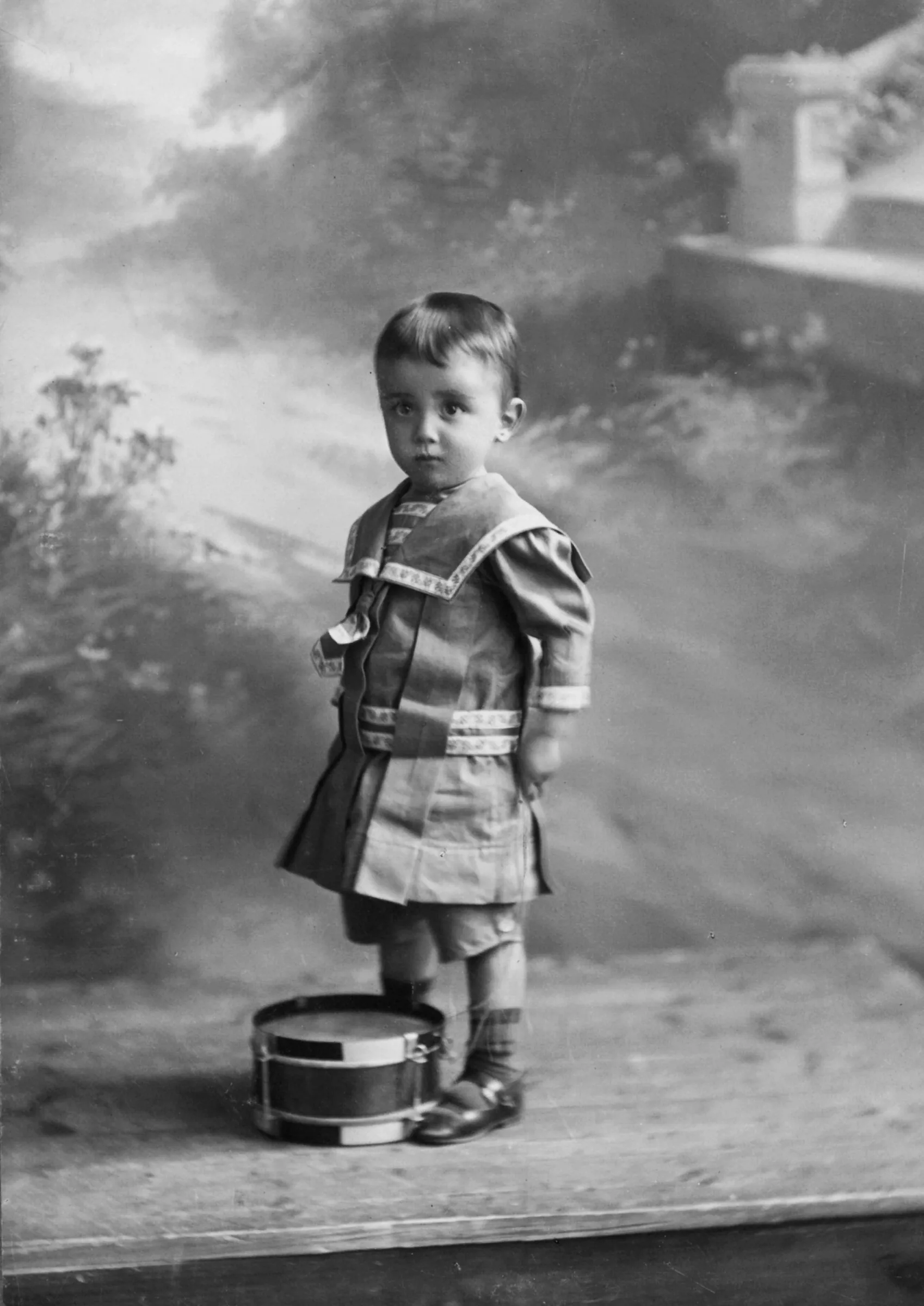
At 10, his mother gave him a small drum. The gift marked the start of daily practice. At 15, a Premier drum kit changed everything: he went from amateur to aspiring drummer.
His idols, Gene Krupa and Buddy Rich, were already shaping his technique and sense of showmanship. Raw energy went hand in hand with careful work on timing and precision.
Rehearsals with Terry Webb and The Spiders, The Senators and then Band of Joy built his stamina. Small fees and local stages sharpened his ability to listen to other musicians.
He later joined the Crawling King Snakes, whose singer was Robert Plant; this period brought new connections and helped him enter the British music scene. For a visual glimpse of the era, see this item on Robert Plant in 1966.
Already dubbed the loudest drummer in England, he broke drumheads and was sometimes asked by clubs to stop playing. Despite the volume, his control remained remarkable: power and command went together.
Led Zeppelin: the decisive meeting with Jimmy Page, Robert Plant and John Paul Jones
In 1968, the British music scene shifted as Page sought a drummer who could support massive riffs. After the Yardbirds broke up, Plant strongly recommended his friend; Page was convinced when he saw Bonham play with Tim Rose in Hampstead that July.
The decision was as much about stage presence as music.
Why he was the clear choice: a solid rhythmic foundation, confidence on stage and a unique sound. The rhythm section became a driving force for the band rather than mere accompaniment.
John Paul Jones completed that foundation. His bass fitted naturally with Bonham’s drumming. Together, they supported Page’s riffs and the vocal power of Robert Plant.
Touring, especially in the United States in 1968, led to important encounters. His friendship with Carmine Appice influenced his equipment choices: adopting Ludwig-Musser drums changed the character of his live sound.
On stage, his unusually long, heavy sticks contributed to a direct attack, controlled rebound and precise articulation. This technique forged his identity as a rock drummer and became an instantly recognizable signature from the band’s earliest concerts.
“The rhythm section is no longer support: it becomes the engine.”
To explore the genre and its influences further, see this historical overview of rock and, for a modern parallel on the drummer’s role, this article about a contemporary metal drummer: master of metal rhythms.
John Bonham: the drums that redefined rock
The real innovation was control: his power could be adjusted to serve the song. His approach combined force and nuance, creating a wall of sound without overwhelming the musical texture.
Power, groove and dynamics
Tom Dowd used the term dynamics to describe the breathing space between accents, silences and releases. These contrasts heighten the impression of power without constant saturation.
The 26-inch bass drum
The 26-inch bass drum anchored the low end. It filled the space in the mix and made a physical impact. Many drummers adopted it after hearing it on the albums.
Melodic playing across genres
He did more than keep time: he conversed with the riffs. His touch adapted to hard rock, blues and folk. On lighter songs, he changed his attack and placement to serve the music.
Funk and Latin influences
Grooves such as those in “Royal Orleans” and “Fool in the Rain” show his feel for swing, syncopation and shuffle. This range shows that his signature went beyond sheer heaviness.
Myths and influences
The nickname Bonzo and the figure of Keith Moon helped fuel the legend. These stories reinforced his standing as a drummer sometimes considered one of the greatest of all time.
For a fuller account of his life, read this complete biography.
Solos, classic songs and concerts: where Bonzo made his mark
On stage, the drums became a central character. Concerts made room for rhythmic narratives in which each break conveyed an emotion.
Moby Dick / Pat’s Delight
A legendary solo, often extended beyond 30 minutes, it displayed his stamina and range of tones. Extensive use of his hands and changes of pace turned the drum solo into a dramatic performance.
When the Levee Breaks
This part embodies a heavy, expansive sound. The recording creates a sonic juggernaut that influenced how drums are recorded in modern studios.
Good Times Bad Times
His right-foot playing became a technical benchmark: speed, precision and articulation made this part a subject of study for future drummers.
Fool in the Rain
The shuffle blends swing with Latin subtlety. This combination of power and elegance inspired generations of drummers seeking hybrid styles.
“He is one of the best role models for modern drummers.”
| Song | Characteristic | Impact | Critical reference |
|---|---|---|---|
| Moby Dick | Long solo, playing with his hands | Live performance | Admired by Dave Grohl |
| When the Levee Breaks | Heavy, spacious sound | Recording benchmark | Influence on studios |
| Good Times Bad Times | Remarkable right-foot playing | Technical exercise | Studied by many drummers |
| Fool in the Rain | Shuffle with funk and Latin influences | Blending of styles | Cited by critics |
Legacy: voted the greatest drummer by Rolling Stone readers, he remains a lasting influence. These songs still serve as lessons and are sometimes performed on stage into September, during commemorations.
The Bonham sound: drums, cymbals and technical choices
The sound that marked a generation owed as much to equipment as to tuning choices. The Ludwig Vistalite kit (a 26 × 14-inch bass drum, acrylic toms and Remo heads) and the 14 × 6.5-inch aluminium Ludwig LM402 snare formed its backbone.
Why this setup matters: the 26-inch bass drum delivers low frequencies you can feel, while the LM402 produces a crisp crack. The snare cuts through the mix and remains audible even in dense passages.
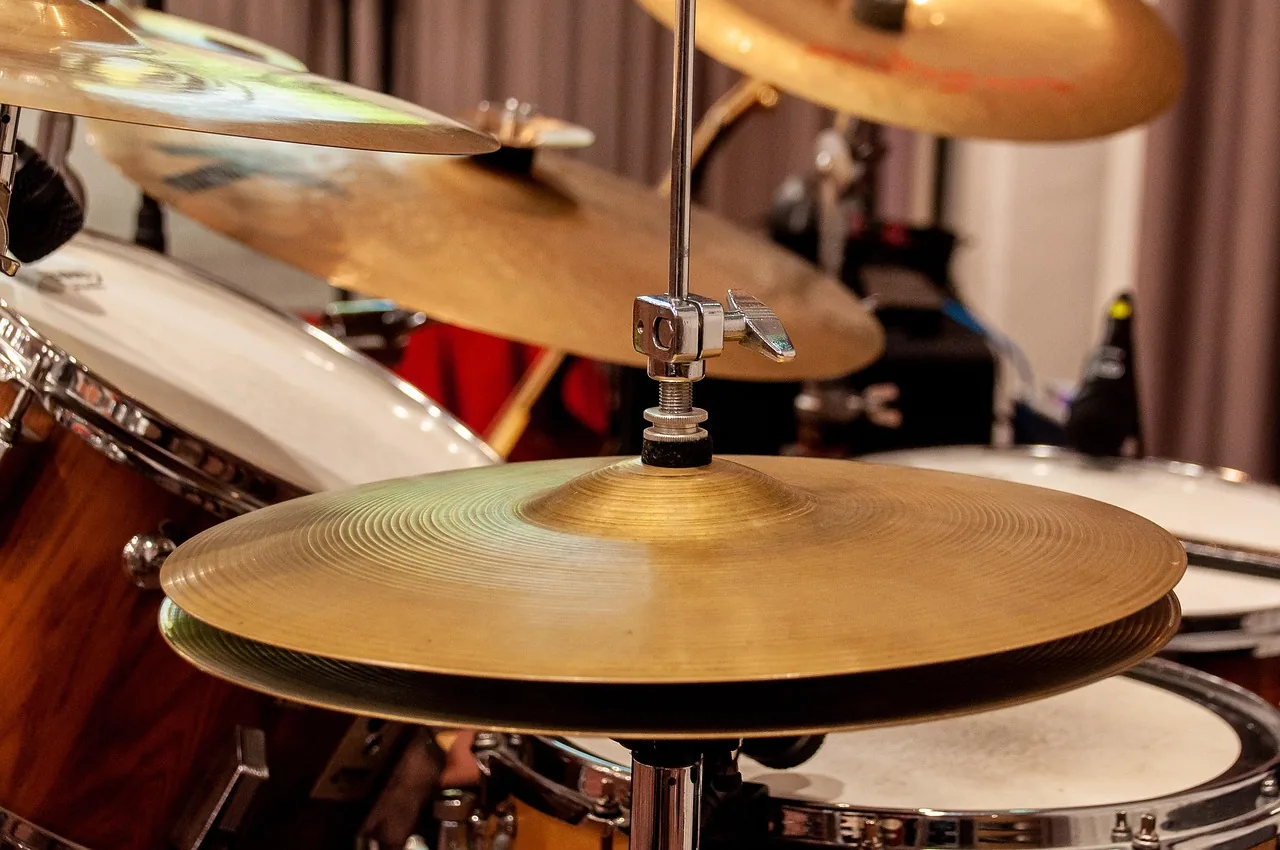
The cymbals evolved: Paiste Giant Beat (1969–1970), followed by Paiste 2002 (1970–1980). The change increased brightness, sustain and definition. The result was a consistent tone throughout the band’s years together.
After 1969, the kit expanded: congas, timpani and a 38-inch gong complemented the drums. These additions served the live arrangements without diluting his rhythmic identity.
The debate over his “overly hard hitting” pits the effect of acrylic drums against his actual technique. In practice, the perceived power also came from head tuning, touch and dynamic control.
- Listen for the LM402 snare’s crack in the choruses.
- The 26-inch bass drum is felt more than seen.
- In lessons or the studio, pay attention to tuning and microphone placement.
Bonham also worked outside the band: on the film Son of Dracula (1974) and in recording sessions with Roy Wood, Paul McCartney (Wings) and Lulu. Magazines such as Modern Drummer and Rolling Stone rank him among the greatest drummers of all time; he is regarded as a benchmark.
Conclusion
His journey took him from a childhood passion for percussion to recognized worldwide influence. He died on 25 September 1980 at the age of 32 years, leaving behind a meteoric career. His death led to the band’s dissolution in December 1980.
In the studio and on stage, his playing and technique left a lasting mark on the world of rock. His style remains a reference point for modern drummers; he is cited by figures such as Dave Grohl and ranked by Rolling Stone and other magazines.
To understand this legacy, listen again to key songs and concerts, then practise timing, shuffle and dynamics in lessons. For historical context, see also the origins and evolution of the drum kit.