
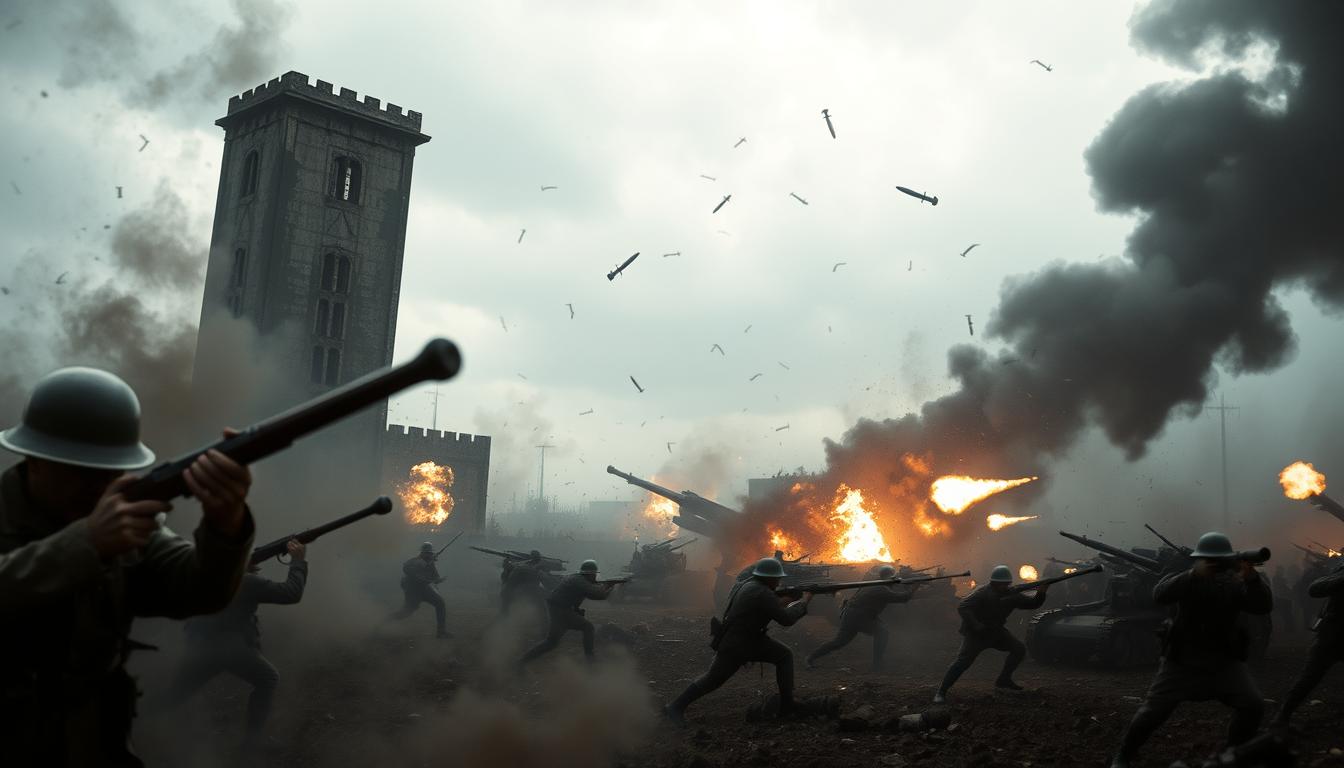
The Swedish band Sabaton has established itself as a distinctive force in metal by weaving major historical events into its songs. With albums such as The Great War, the band combines energetic music with historical storytelling, creating a compelling listening experience.
Famous wars and battles are central to its discography, bringing metal fans and history enthusiasts together. Each song tells a story and turns listening into a journey through time.
This blend of music and history defines the band’s identity. Sabaton draws on historical events to connect emotionally with its audience while bringing lesser-known stories to light. This article explores that combination and its impact on contemporary music. To learn more about historical themes in metal music, see this academic analysis.
Introduction to Sabaton’s Musical Journey Through History
The Swedish band Sabaton stands out for the way it combines music and history. Formed in 1999, it draws inspiration from major historical events and offers a distinctive musical and narrative perspective.
The Band’s Background and Inspirations
Sabaton draws inspiration from major historical events, including World War II. Its name, derived from the word “sabaton” (a piece of armour), symbolizes resilience and courage. Each track pays tribute to legendary battles, such as D-Day, recounted in Primo Victoria.
Where Music, History and the World Wars Meet
The band’s discography, including The Great War, explores historical themes through powerful music. Sabaton uses these stories to connect with fans and offer an immersive experience that combines education and entertainment.
The band continues to evolve, incorporating new musical influences and lyrics inspired by military history. This approach has helped it stand out and bring together a community passionate about history.
Sabaton and the World Wars: Historical Resonances
Global conflicts, particularly World War II, have deeply influenced Sabaton’s identity and storytelling style. The band draws on these historical events to create powerful songs and epic narratives.
How Global Conflicts Shaped the Band’s Identity
World War II occupies a central place in Sabaton’s discography. Its album The Great War explores legendary battles through energetic music, offering an immersive experience. Each song tells a story and turns listening into a journey through time.
The song The Last Stand symbolizes both despair and bravery. It forms part of the band’s epic storytelling and highlights key moments in history. Sabaton uses these stories to connect with its audience and offer an experience that combines education and entertainment.
| Historical event | Influence on Sabaton | Musical reference |
|---|---|---|
| World War II | Inspiration for epic songs | The Great War |
| Battle of Stalingrad | Stories of courage and sacrifice | Stalingrad |
| German surrender | Themes of resilience and victory | The Last Stand |
Global conflicts have shaped Sabaton’s visual and musical identity. The band continues to evolve, incorporating sounds and lyrics inspired by military history. This approach has helped it stand out and bring together a community passionate about history.
Signature Songs and Their Historical Storytelling
Sabaton excels at telling history through music. Each song takes listeners on a journey through time and revisits significant events in the band’s distinctive musical style.
Primo Victoria: The Call of D-Day
Primo Victoria is one of the band’s most recognizable songs. It recounts the D-Day landings. Its powerful riffs and striking lyrics evoke the courage of the soldiers. The song marks the beginning of a series of historically themed compositions.
- D-Day is described vividly, with all its emotion and tension.
- The energetic music heightens the dramatic atmosphere.
The Last Stand: A Tribute to Heroic Defenders
The Last Stand pays tribute to the Swiss Guard during the Sack of Rome in 1527. The song highlights their heroism.
- The melody contrasts with the harshness of the story.
- The lyrics honour their ultimate sacrifice.
These songs show how Sabaton brings music and history together to create an immersive experience. Historical references enrich the band’s stories and forge an emotional connection with listeners.
The History Rocks Project: Where Music Meets Military Museums
History Rocks is an initiative that brings music and history together through a collaboration with military museums. Created to celebrate Sabaton’s tenth album, it brought together more than 100 museums worldwide, including several in France, such as the Hôtel national des Invalides.
Collaboration with Museums and Its Impact on Audiences
Working with these historical institutions, History Rocks aims to screen an animated film inspired by the album. This collaboration presents historical stories from a new angle and appeals to history enthusiasts and heavy metal fans alike. It also gives museums greater visibility and helps them attract a more diverse audience.
An Immersive and Educational Experience for Enthusiasts
The project offers a rich educational experience, allowing visitors to discover historical events through music. This immersive approach encourages a dialogue between past and present, making history more accessible and engaging. Amid the chaos of conflict, the stories evoked in songs such as The Last Stand and Carolus Rex reveal emotional and human depth.
By incorporating historical elements into cultural events, History Rocks brings forgotten stories back to life. The project sparks interest in great battles and past centuries, showing how music can create a bridge to the past. It demonstrates that history can inspire and move people far beyond books and museums.
Epic Stories Across Albums and Concerts
Sabaton’s albums are more than collections of songs: they invite listeners to travel through time. Each track tells a story and turns listening into an immersive experience. Onstage, these stories come fully to life.
The Energy of Concerts and the Portrayal of Battles
Sabaton’s concerts recreate historical battles. With raw energy and carefully planned staging, the band transports audiences to bygone eras. Each performance pays tribute to significant events, such as the battles of World War II or the campaigns of Charles XII.
| Performance | Historical event | Album |
|---|---|---|
| Primo Victoria | D-Day | The Art of War |
| The Last Stand | Sack of Rome | Carolus Rex |
| Stalingrad | Battle of Stalingrad | The Great War |
Through striking visual and sound effects, Sabaton creates an immersive atmosphere that captivates audiences. Each concert celebrates history and offers a perspective on significant events. This combination of music and history makes Sabaton’s concerts unforgettable.
The band uses these stories to connect with its audience and offer an experience that combines education and entertainment. To learn more about historical themes in metal music, see this analysis.
Revisiting History Through Albums: A Dialogue Between Past and Present
Each album opens a door to forgotten stories and offers a modern perspective on historical events. Through songs such as Sparta and The Last Battle, the band builds a bridge between past and present.
Analysing Songs and Their Historical Context
An album’s track list is far more than a simple list of songs. Each track is a carefully crafted story rooted in a specific historical context. For example, Last Dying Breath evokes a soldier’s final moments on the battlefield, conveying their emotion and tension.
The sound is designed to evoke bygone eras. Powerful riffs and striking lyrics call to mind the courage of soldiers while highlighting key moments in history.
A dialogue between historical images and modern musical storytelling lies at the heart of this approach. The band’s current tours create a strong connection between the past being recounted and the audience’s experience in the present.
Themes such as bravery and sacrifice allow listeners to identify with these stories on both personal and historical levels. Their universal appeal makes history more accessible and engaging for a diverse audience.
To learn more about history and music, visit this page.
Conclusion
This article shows that Sabaton is much more than a metal band: it tells stories from history, giving each song an educational and immersive dimension. Every album becomes a living chapter of the past and invites listeners to explore significant events through powerful music.
The History Rocks initiative and the band’s concerts show how history can be shared in a modern and engaging way. These projects reconnect audiences with forgotten stories while offering a distinctive experience. This article is intended for everyone who loves history and metal.
If you would like to explore these stories further, browse the site and discover earlier chapters. Take a moment to reflect on how time and history appear on every page of this article.