
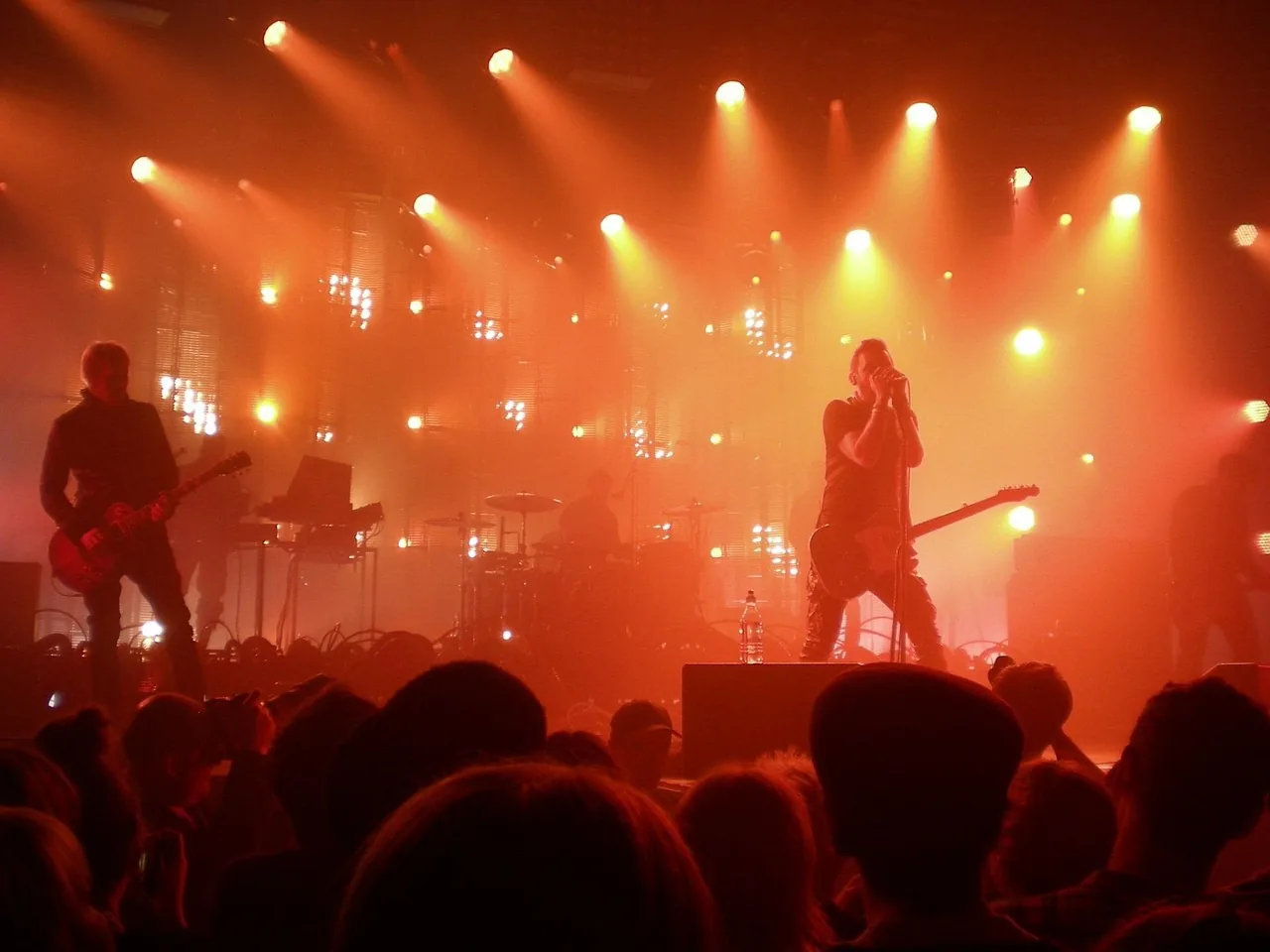
“Good Times Bad Times” is more than an opening track. It is a sonic statement that hits hard from the first listen. Within seconds, the drums, riffs and vocals establish Led Zeppelin as a new force in rock.
Released in January 1969 and recorded in remarkably little studio time at Olympic Studios, the album offered unprecedented density and power. Its cover—the burning airship—heightened that visual and emotional impact.
This introduction sets the scene: we will revisit the band’s beginnings, the British context, the rapid recording sessions and the precise ingredients of this leap in sound. The story takes a news-style approach, with places, dates and people, to understand why the song defined its era.
To learn more about the album and its history, see the detailed page on Led Zeppelin I.
Why “Good Times Bad Times” hit so hard in the late 1960s
From the first moments, the opening track strikes with a sonic assault.
Rhythmic attack: the drumming rises like a wall. Guitar and bass follow one another without leaving room to breathe. The result is a physical, almost tactile sensation that surprises the listener.
Tradition and departure: moving between blues and heavier rock, the song reworks familiar conventions. In 1968–1969, rock was growing harder and more aggressive. Amplified riffs began to take precedence over tradition.
According to some accounts, the sound seemed “too overwhelming”: its density, noise and power were disorienting. Yet that intensity was also compelling. Listeners could feel overwhelmed by the richness of the textures and the band’s collective virtuosity.
The album’s effect extends well beyond one song. Across the record, quiet passages alternate with electric surges. The opening track becomes a gateway to a new sonic language, foreshadowing hard rock.
Key elements of its impact
| Element | Role | Effect on the listener |
|---|---|---|
| Rhythmic attack | Structure and drive | A sense of impact and urgency |
| Balance between instruments | Clarity despite the density | A sense of controlled power |
| Focused production | Filling the soundstage | A new way to play and record |
London, 1968: Led Zeppelin emerges from British rock
London was buzzing in 1968: studios, clubs and session musicians created fertile ground for new sounds. The Yardbirds’ breakup prompted Jimmy Page to act quickly. He wanted to fulfil existing commitments and pursue a heavier, more contemporary sound.

Jimmy Page after the Yardbirds: regroup quickly and aim for a heavier sound
Jimmy Page, already an established guitarist, assembled a project that brought studio precision together with the force of live performance. Urgency set the pace.
John Paul Jones: the studio ally, bassist and arranger
John Paul Jones brought his experience as a session musician. He shaped the arrangements and anchored the groove, a key part of a sound that was dense yet clear.
Robert Plant: a bluesy, theatrical voice with a soaring high register
Robert Plant was chosen for his blues phrasing and high register. His voice interacted with the instruments instead of drowning them out.
John Bonham: the “revolutionary” drummer who changed the balance
John Bonham transformed the rhythm section with massive hits, sharply placed accents and powerful rolls. The drums became the band’s engine.
“Page and Jones’s connection in the studio, together with Plant and Bonham’s onstage chemistry, forged a decisive combination.”
| Role | Contribution | Impact |
|---|---|---|
| Jimmy Page | Direction, guitar, production | A heavier, more modern vision |
| John Paul Jones | Arrangements, bass, stability | Clarity within the density |
| Robert Plant | Blues vocals, theatricality | Vocal interplay and emotion |
| John Bonham | Drums, rhythmic power | A new centre of energy |
London’s music scene brought these musicians together and shaped a story in which studio and stage converged. For more on the music of the period, explore an account of the British scene.
From the “New Yardbirds” to Led Zeppelin: touring, performance and identity
In September 1968, a Scandinavian tour became a crucial proving ground for the future Led Zeppelin.
Under its temporary name, the band had dates to honour and little time to learn. Scandinavia offered a stage on which to test volume, tempos and arrangements before audiences. Those concerts quickly forged a sense of unity.
Jams and medleys made up much of the repertoire. With few original compositions, the band stretched blues and rock songs to create changing moods. This approach let the energy build throughout each concert.
Building power onstage
Each concert extended the time the musicians spent playing together. Improvised transitions strengthened their rhythmic power and precision. Within weeks, the lineup had grown from an experiment into a live band ready for the studio.
The name: from a joke to an identity
The famous joke about a “lead balloon” became a name. It suggests the contrast between weight and lightness that characterises the band’s sound. Adopting it cemented a visual and musical identity.
| Element | Function | Impact |
|---|---|---|
| Scandinavia (September) | A live testing ground | A rapid test of volume and arrangements |
| Jams and medleys | Expanding the repertoire | Stronger unity onstage |
| The adopted name | A defining identity | A striking image for Led Zeppelin’s forthcoming album |
“A few weeks onstage were enough to make the unity of their sound unmistakable.”
January 1969: Led Zeppelin I arrives and the world hears an extraordinary debut
January 12, 1969 marked the release of a British band’s debut album that was both raw and carefully shaped.
A release date: January 12, 1969
That date brought attention to a newly formed group. The album already felt like a coherent work designed to make an immediate impact.
An album conceived as a statement of intent
The forceful opening track sets out the approach: impact, virtuosity and command of blues rock. The record thrives on contrasts and transitions.
Reception: few had anticipated such a powerful arrival. The album soon circulated and caught the rock world’s attention.
- Remarkable coherence for a debut album: the band sounds as though it knows where it is going.
- The historical surprise also fuelled debates about the origins of its covers and influences.
Revisiting January 1969 shows how far the era was shifting towards a new way of playing.
Good Times Bad Times: the band’s first shockwave
From the first seconds, listening becomes an immediate physical experience. The song’s introduction concentrates everything: impact, groove and interplay between instruments.
John Bonham’s opening drums: rolls and an impact like hitting a wall
John Bonham begins with weighty rolls. His bass drum marks precise accents.
The listener feels a surge that seems to pin them in place. It is a direct, controlled and powerful attack.
Jimmy Page’s guitar: sharp riffs and a blazing solo
Jimmy Page delivers a crisp riff designed to cut through the mix. The solo is short but intense.
Every note builds tension without turning the passage into a display of technique.

John Paul Jones’s bass: a hypnotic groove and the song’s backbone
John Paul Jones holds the line. His bass connects the drums and guitar.
The groove is steady, full and hypnotic: it is the song’s backbone.
Robert Plant’s voice: call and response with blues intensity
Robert Plant sings with a bluesy grain and theatrical high notes.
His phrasing answers the guitar, making his voice another instrument in the exchange.
A dense but precise sound: a signature born in the first seconds
The result is controlled power. Every instrument has its place.
That clarity within the density creates the song’s sonic signature: impact and precision.
“A controlled wall of sound in which every element has room to breathe and strikes with purpose.”
| Element | Role | Effect |
|---|---|---|
| Drums | Pace and power | Physical impact and an established tempo |
| Guitar | Melodic points of reference | Cuts through the mix and guides the listener |
| Bass | Rhythmic connection | Hypnotic groove and stability |
| Voice | Expression and contrast | Blues interplay and emotional intensity |
Recording in 36 hours: behind the innovative sound at Olympic Studios
In October 1968, Olympic Studios hosted a brief but decisive set of sessions. The band arrived, played and left with a record that already sounded like a complete work.
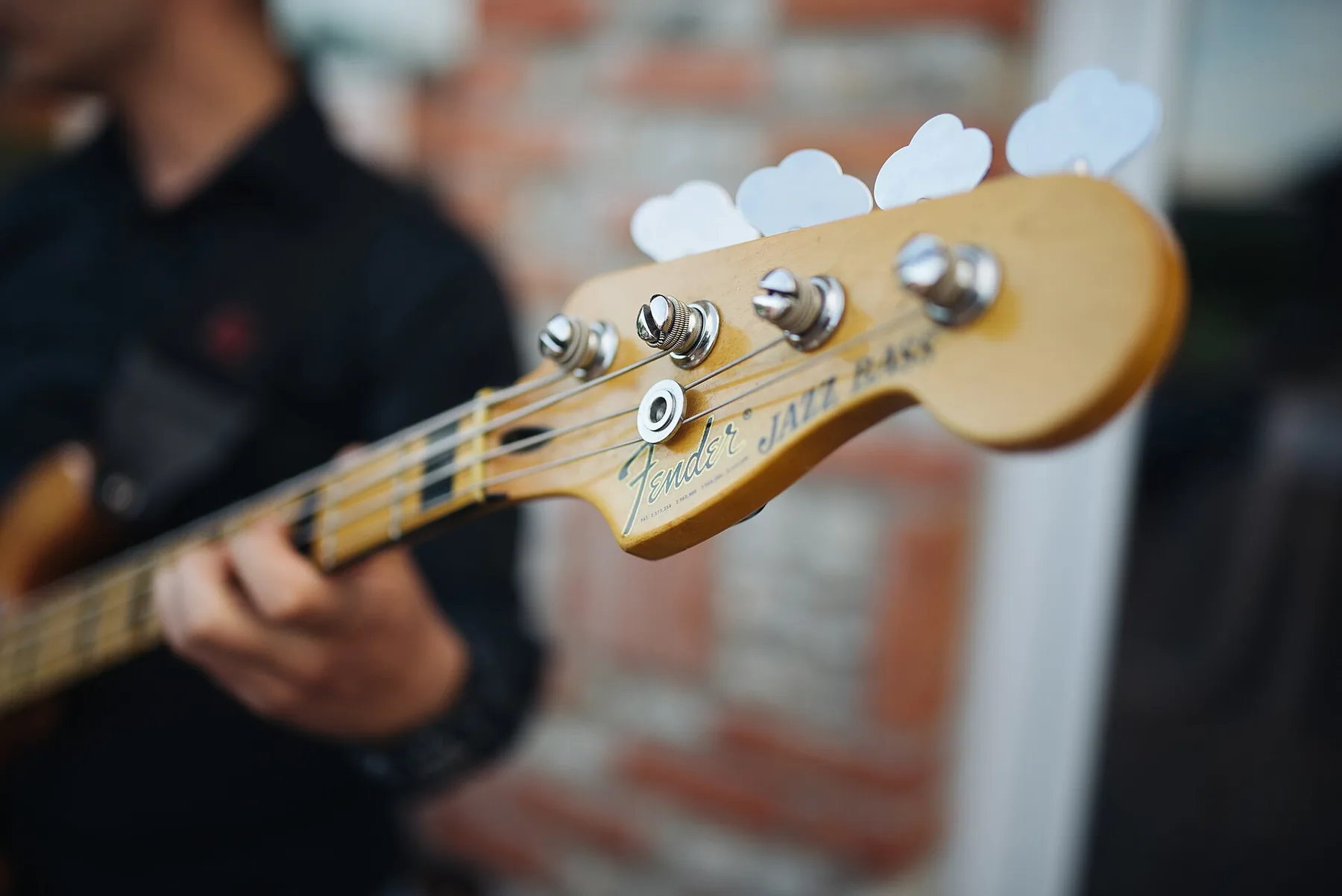
About 36 hours of studio time captured the essentials. As producer, Jimmy Page wanted to record the band as it sounded live. The aim was to preserve the urgency of the stage rather than work on each song in isolation.
This method particularly shaped the drum recording. The placement of the microphones and the care taken with each take gave the drums an unusual breadth for the period.
The result is clear: Bonham’s playing sounds monumental because of both his performance and the recording. Together, musicianship and technique create immediately recognisable power and sound.
“A rapid recording process that shows speed and quality can coexist.”
Beyond the opening song: what Led Zeppelin I says about the band’s beginnings
The album already reveals a wide range, moving from intimacy to thunder within a few tracks.

From calm to storm: the acoustic and electric formula
“Babe I’m Gonna Leave You” illustrates that formula. The song begins gently, in an almost folk-like mood.
Gradually, the guitar and drums raise the tension. The acoustic sound gives way to an electric explosion.
That dramatic progression turns a cover into a sonic epic.
“Dazed and Confused”: a violin bow and a psychedelic journey
“Dazed and Confused” marks a shift. The song plays with heaviness and hypnotic repetition.
Using a bow on the guitar creates a striking texture. The passage becomes almost psychedelic.
This sound points to the band’s boldness: stretching musical forms and surprising listeners.
Covers, influences and later criticism: the shadow of the blues
The album draws heavily on blues and familiar songs. Its influences can be heard.
Later, those borrowings would prompt criticism and debates about credits.
Even so, the production, energy and arrangements transform the source material.
“An album that already shows the band’s ability to reinvent traditional sources and make something new from them.”
| Aspect | Example | Effect on the listener |
|---|---|---|
| Acoustic → electric | “Babe I’m Gonna Leave You” | Dramatic tension and release |
| Experimentation | “Dazed and Confused” (bowed guitar) | A psychedelic feeling and unfamiliar sounds |
| Blues sources | Covers and influences | Historical roots and later criticism |
In short, this debut presents a young band already using its music as a laboratory. It blends folk, blues and hard rock into a picture of a musical life expanding rapidly.
For a selection of notable songs and their significance, see this list of essential tracks.
The Hindenburg cover: an image that heralds an explosion
The cover makes an immediate impact: a frame showing the Hindenburg in flames has become an icon. The airship, frozen amid the fire, is an instant and unsettling symbol.
That historical image becomes a visual language. It promises contained power, a visual explosion that echoes the album’s sound.
A striking frame: the burning airship as a symbol
The choice of frame suggests urgency and danger. The contrast between darkness and flames catches the eye and fixes the cover in memory.
Visual power and sonic power: the same promise
Before hearing a note, a buyer knows they are holding something radical. The cover and the music form a coherent whole: the image’s controlled violence foreshadows the density of the sound.
“A simple, direct image that captures the spirit of the album and leaves a lasting mark on its era and on music.”
- A memorable image = heightened anticipation before listening.
- A powerful symbol = a stronger myth surrounding the album.
- Unity between image and sound = an immediate defining identity.
Conclusion
In a few seconds, the opening track crystallises the band’s artistic intent. Led Zeppelin brings together power and groove, distilling its blues heritage and its ambition to transform rock’s sound.
From London in 1968 to the band’s live rehearsals, then the 36 hours at Olympic Studios and the release in January 1969, the timeline helps explain the force of its arrival. Work in the studio and experience on the stage reinforced each other.
Page, Jones, Plant and Bonham formed a unit: guitar, bass, voice and drums combined to produce an effect greater than the sum of their parts. This song points towards later albums that would develop the formula, but that first moment remains unique.
To learn more, read the detailed profile of Led Zeppelin and revisit this formative moment in music history.