

Led Zeppelin delivers a record that feels like a candid portrait taken in 1979. Released on Swan Song, this album marks a turning point. It seems both fragile and rich.
This album can be heard as a snapshot of a cycle coming to an end. New textures, keyboards at the forefront, internal tensions: they all coexist. The personal circumstances shed light on every track.
This article examines what can be heard (production, mixing, songwriting), what is known (grief, addiction, divisions) and what remains disputed. The aim is clear: to provide a guide to rediscovering this piece of rock history.
The article follows a simple path: the golden age, the cracks, the recording sessions, an analysis of the songs, the 1980 concerts and, finally, the aftermath of John Bonham’s sudden death, which sealed the band’s end.
Why this album marks a turning point in Led Zeppelin’s history
In the late 1970s, this recording reflected its era. Punk and new wave brought a new aesthetic. Hard rock was growing heavier with Kiss, Scorpions and Judas Priest, placing the band under close scrutiny.
Appearances worked against them: being in their thirties was often enough for an artist to be labelled a “dinosaur.” That judgment shaped the reception before anyone had heard a note.
Expectations were high: after so many peaks, every release came under scrutiny. The final album was intended as an artistic response to a changing era. The band’s aura stirred curiosity but also increased the risk of disappointment.
Myth, disappointment and fan expectations
Some fans wanted more guitars, riffs and power. Others were more open to the move toward keyboards and new textures. This divide shows that the turning point was structural as well as musical.
- Musical: changing roles and new sounds.
- Structural: the band’s cohesion and its ability to present the work onstage.
From the golden age to the cracks: the period before In Through the Out Door
The years after the first four records revealed two realities: creative strength and the first signs of wear. The period produced rich music, but also choices that divided listeners.
The foundations of the sound: guitar, rhythm and voice
Jimmy Page’s guitar, the rhythm section of Bonham and Jones, and Robert Plant’s voice formed an instantly recognizable musical language.
These elements provide the foundation for the band’s influence throughout the hard rock world.
Signs of fatigue after the peaks
After four albums in three years, critics began to note inconsistencies. Records such as Houses of the Holy and Presence received a more mixed response.
Some songs remained essential, but the records as a whole could seem uneven, encouraging the idea of a gradual decline.
When performing live became a challenge
On stage, improvisation and lengthy songs tested the band. The concerts exposed a contrast between energy and physical limits.
The question was no longer just “What will they come up with next?” but also “Can they still sustain a live performance?”
A difficult personal backdrop: grief, addiction and internal tensions
The months before the sessions were marked by intense personal ordeals. Their effects can be felt on the record: emotion, exhaustion and dependency clearly shaped the creative process.
The death of Robert Plant’s son and the band’s hiatus
Robert Plant learned of the death of his son Karac, a tragedy that forced the band to pause. The loss shaped the songwriting and gave tracks such as All My Love a profound emotional weight.
Jimmy Page and John Bonham under strain
Jimmy Page struggled with an addiction that made his studio attendance irregular. John Bonham was dealing with alcohol and drugs, and his energy became less dependable.
Two “camps” and a broken balance
John Paul Jones emerged as the most stable figure. Two camps took shape: those able to carry the project forward and those struggling to keep up. This imbalance affected the arrangements and musical direction.
For some defenders, these weaknesses invite a richer reading of the album in context. For others, they reveal a record diminished by personal troubles.
In Through the Out Door: the final stage before the end
The year 1979 was a crossroads: this album arrived after a break and would later be regarded as the band’s final studio chapter.
Released into a transformed music market, it bears the marks of a band trying to move forward despite its tensions. The record serves as both an archive and a warning sign.
1979: an eighth album that would also be the final studio chapter
Hindsight shapes how we hear it. The band sounds less guitar centered and more attentive to modern timbres. For many, it is the final album of an intense career.
John Paul Jones at the helm: keyboards, musical direction and new textures
John Paul Jones clearly took the lead. He favored keyboards, piano and arrangements in step with the times.
To some, this direction gave Led Zeppelin a more “modern” sound. Others regretted that the guitar no longer dominated. That divide helps explain the polarized opinions.
| Year | Role | Key elements |
|---|---|---|
| 1979 | Release of the eighth album | Earlier hiatus, transformed market |
| Arrangements | Musical direction | Keyboards, synthetic textures, piano |
| Perception | Reception | Modernity or a loss of power |
What follows examines the record both as music and as a symptom of a changing band. The next section looks at its production, each member’s role and the reasons for such varied audience reactions.
Production shaped by keyboards and the sound of the times
The sound now favors synthetic timbres and piano over massive riffs.
The production choices reflect more than taste: they respond to an era that prized keyboards and texture. Synthesizers bring modern colors. Piano structures certain passages and changes the balance of the sound.
Why synthesizers and piano take a larger role
This shift matters. Electronic instruments offer nuances that traditional hard rock rarely explored. They create intimate atmospheres and a palette less focused on raw power.
Robert Plant: lyrics, performance and a disputed vocal mix
Robert Plant continued to write intimate lyrics. His voice sometimes seems pushed back, particularly on a prominent song where the vocal sounds low in the mix. This choice clearly shapes opinions: some praise the subtlety, while others wish the voice were more prominent.
What the credits reveal: absences, contributions and fan perceptions
The sleeve notes suggest unequal contributions. Some reviews suggest Page is absent from certain tracks and Bonham is sometimes missing from the credits. These accounts reinforce the impression of an unbalanced album.
Understanding these details helps when listening track by track. Listeners need not agree with the choices, but knowing why they were made helps explain many fans’ reactions.
| Element | Effect | Example |
|---|---|---|
| Keyboards and synthesizers | Atmosphere, modernity | Structural piano parts, synthesizer layers |
| Guitar | Less central, different textures | Riffs less prominent in several passages |
| Vocal mix | Voice sometimes pushed back | Vocal low in the mix on a notable song |
| Credits | A critical reading of the members’ roles | Reports of absences and unequal contributions |
For more on the technical and historical debates, read a dedicated discussion on a specialist forum.
Track list and musical colors: what this album contains
The track sequence tells a story: a tense side A and a more intimate, restorative side B.
Track list:
- 01 In the Evening
- 02 South Bound Saurez
- 03 Fool in the Rain
- 04 Hot Dog
- 05 Carouselambra
- 06 All My Love
- 07 I’m Gonna Crawl
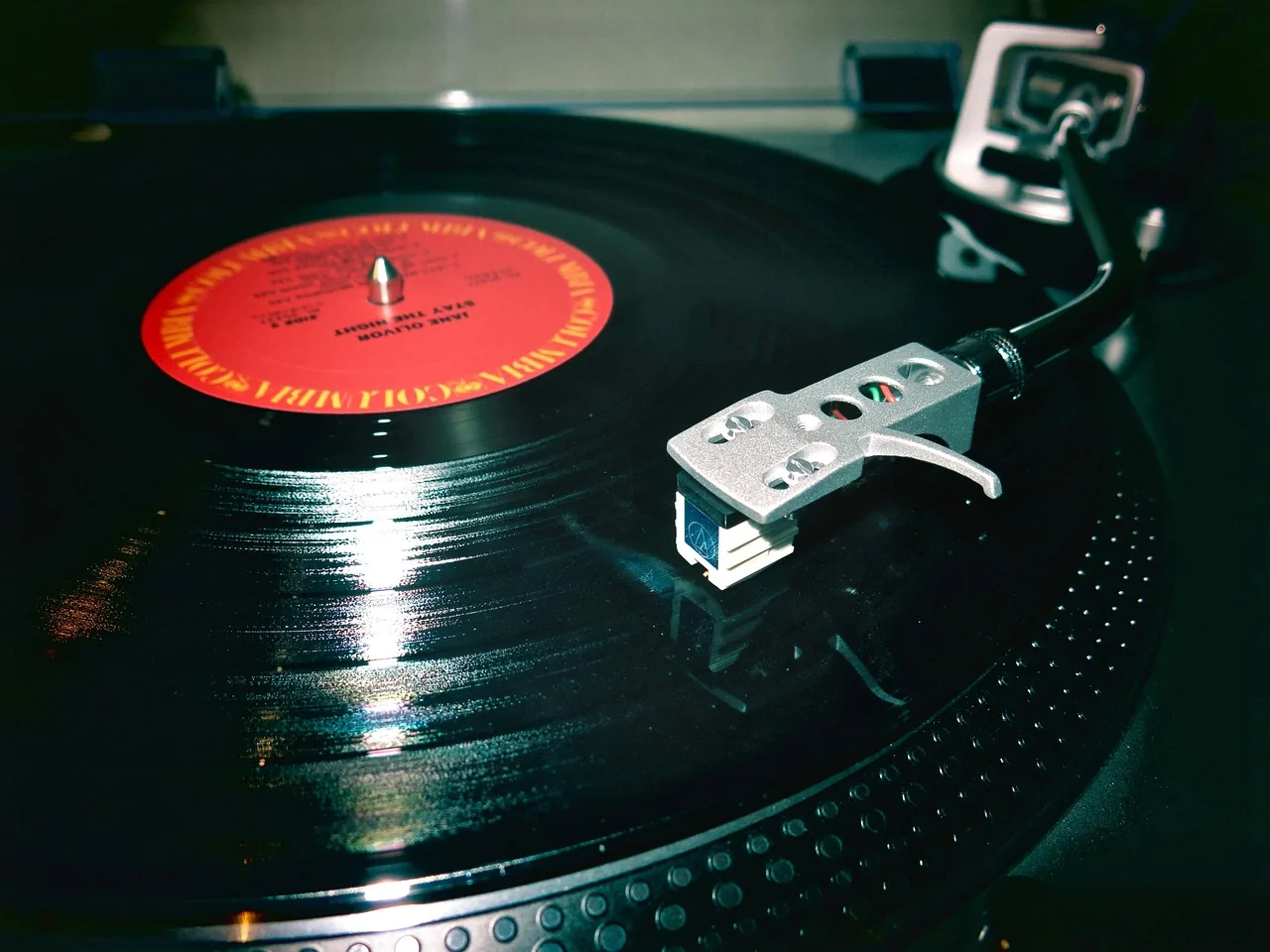
The structure of the vinyl record often shapes memories and judgments. Side A opens with keyboards and modern rhythms. These first songs establish a less raw, more textured atmosphere.
The lighter rock songs and their playful references
Later, a few tracks flirt with rock and roll and country. The choices feel light and, at times, awkward. They may sound like worthwhile risks—or misjudged ideas.
The side B that “saves” the listening experience
For some listeners, the second side brings emotion and grandeur. Carouselambra and All My Love combine ambition with sensitivity. This change strengthens the record as a whole.
Listening guide: focus on the timbres, arrangements, dynamics and voice. They help you judge the work beyond conventional expectations.
| Section | Characteristic | Example |
|---|---|---|
| Opening | Keyboards, rhythm | In the Evening |
| Lighter tracks | References to rock and country | Hot Dog, Fool in the Rain |
| Side B | Ambition, emotion | Carouselambra, All My Love |
A closer look at the songs that divide listeners
A short guide to the songs that provoke lively debate. Reactions differ depending on whether listeners want classic hard rock or welcome the turn toward modern textures.
“In the Evening”: a flash of brilliance
This song opens with striking tension. A tight rhythm, layered sounds and a memorable guitar entrance give it renewed force.
The vocal mix remains disputed, however: some feel Robert Plant sounds too far back, changing the song’s emotional impact.
“Carouselambra”: ambition and controversy
Long and full of keyboards, this song can sound like progressive rock. Its scale is fascinating.
Others find that its length and dense structure make it hard to listen to. Some hear a late career high point; others hear an overblown detour.
“All My Love”: an emotional tribute
This song becomes easier to understand when you know the personal story behind it. Its emotion is direct and often reaches beyond a purely musical judgment.
“Fool in the Rain” and “Hot Dog”: groove and risk taking
The first mixes samba and rock with a surprising groove. The second takes a deliberately playful country rock and roll approach.
These choices appeal through their boldness. They also draw criticism from listeners who hear a mismatch or a parody.
“I’m Gonna Crawl”: a blues ending
The record closes with a slow, heavy blues. Some hear deliberate restraint; others hear the band running out of steam.
- Key points: emotional tension, experimentation and contrasts in the mix.
- What to listen for: the arrangements, the voice and the roles of Jimmy Page and John Paul Jones on each track.
The cover, the vinyl record and the mystique of the “collectible”
The cover does more than package the record: it creates an atmosphere before the music begins. Released in 1979, this album came in minimalist packaging that changed the experience of buying it.
The brown paper around the record turns each unwrapping into a ritual. You feel it, discover it and pause over it. That simple act creates suspense and makes the object feel valuable to buyers.
Packaging that became iconic
Well preserved copies are rare. Pristine condition combined with nostalgia gives a collector’s copy its value. For many, the packaging is part of the band’s mythology.
Design, era and strategy
In the late 1970s, this understated choice sent a message: measured modernity and a carefully shaped image. It was also a way to renew attention while critics were divided.
Practical tips: check the pressing identifiers, the original stickers and any signs of wear. These details help establish authenticity without treating every copy as a treasure.
Finally, remember that sales were strong even while fans disputed the album’s artistic merits. To explore the subject further, read this feature on covers and physical releases.
Critical reception and debate: “one album too many” or an underrated record?
Critics and the public did not respond to the project in the same way when it appeared.
Early reactions were often stark. Some reviews called it “one album too many” and described its sound as muddled.
Recurring criticisms: too little power, confusion and dated sounds
Several journalists noted a loss of impact and an unclear stylistic direction.
Keyboards considered dated and songs perceived as too lightweight added to the sense of a poorly judged project.
The defenders’ case: context adds another dimension
Supporters place the album against a difficult personal backdrop: grief, addiction and internal changes.
Listening “beyond the riff” reveals arrangement choices that make more sense in light of those circumstances.
Commercial success and artistic judgment: why the divide persists
Despite the criticism, the band’s fame ensured strong sales.
The paradox reflects fans’ attachment, constant comparisons with earlier peaks and opposing expectations about hard rock and modernity.
| Aspect | Initial criticism | Reassessment |
|---|---|---|
| Power | Perceived loss | A more nuanced judgment of individual tracks |
| Sound | Dated keyboards | Atmosphere and textures appreciated |
| Sales | Strong performance | Confirmed commercial success |
| Perception | “One album too many” | Underrated work to some |
In short, the album retains an ambiguous status. Debate would remain lively, especially after the concerts of 1979 and 1980 fixed many opinions.
Knebworth 1979 and the return to the stage: an imperfect promise
Knebworth 1979 was a highly publicized event intended to give the band fresh momentum.
Concerts in the spotlight: the event was meant to prove that Led Zeppelin still had its strength. Newspapers, television and radio focused on the band. Expectations were enormous.
Headline concerts and puzzled critics
Critics sensed a gap between these performances and the legendary shows of the 1970s. The punk and new wave climate made the reception cooler. The result was surprise and uncertainty.
A changing image, a restrained stage show and fan perceptions
Onstage, the spectacle was less lavish: less showmanship and a leaner presentation. Some fans found the band’s presence less dazzling. Others still see real visual power in the footage.
This imperfect return also affects how the album is heard. An uncertain tour reinforced criticism of the record, and the reverse was true as well. The 1980 European tour would provide clearer examples.
| Element | Expected | Observed |
|---|---|---|
| Knebworth | Proof of vitality | A publicized return, but a mixed reception |
| Image | Onstage brilliance | Restraint and less showmanship |
| Impact | Strengthen the album | Stronger criticism and divided fans |
For more on the record’s role in this period, read this article: album analysis.
Tour Over Europe 1980: defending the album on a tour under strain
The summer 1980 European tour was a risky undertaking for a weakened quartet. The aim was simple: present the new record to a demanding audience.
Brussels, June 20, 1980: set list, highlights and technical limits
At Forest National, the opening mixed old classics with recent material. It included Train Kept A Rollin’/Stroll On, followed by Nobody’s Fault But Mine and In the Evening.
Highlights included Achilles Last Stand, Kashmir and Stairway to Heaven. The audience experienced intense moments despite a sound some considered uneven.
A lean production: sound, lighting and fatigue
The production was economical, with restrained lighting and a mix that was sometimes too sharp. This spare presentation could be seen as modern or as the sign of a band nearing exhaustion.
Nuremberg and a tour in trouble
June 27 in Nuremberg brought a dark moment: John Bonham collapsed during the concert and had to be hospitalized. The internal strain became visible, and the tour’s future looked uncertain.
Why France was avoided
The incidents of 1973 left their mark. France was rarely included in subsequent plans. For many fans, that absence mattered.
Despite the dates they completed, this tour remains a final effort to present the record live. After the tour ended, the band’s story took a tragic turn, leaving this album as its last major musical statement.
After the album: John Bonham, Coda and the legacy of a final notice
The night of September 24–25, 1980, changed everything for the quartet.
September 25, 1980: John Bonham’s death and the end of the band
That morning, John Bonham was found dead after an evening of excessive drinking. Some accounts mention as many as “40 shots of vodka” and say he died after choking on his vomit.
Faced with the tragedy, the remaining members decided not to carry on. The band chose to withdraw rather than continue without its drummer, a pillar of its rhythm section.
Coda (1982): studio outtakes, harder songs and fans’ regrets
Two years later, Coda appeared as a postscript. It is a compilation of studio outtakes and previously unreleased songs from earlier sessions.
“Coda sometimes sounds like a regret: rawer songs and track choices that invite ‘what if’ questions.”
Among them, Wearing and Tearing shows a more abrasive side. Darlene came from the same sessions and fuels debate about what might have appeared on another album.
The tragedy changed how listeners heard the 1979 album. For many, it became an artistic farewell, a final chapter made heavier by the drummer’s sudden death.
Conclusion
Above all, this record documents a band redefining itself. It remains a pivotal work because of what it brings together: tension, grief and new choices.
Two interpretations compete. To some, it is an album too far, with dated sounds and diminished power. To others, hearing it in its personal context reveals sincere emotion and worthwhile experiments.
John Paul Jones took the lead as the roles of Jimmy Page, Robert Plant and John Bonham changed. Over time, some songs have gained depth while others remain controversial.
Recommendation: listen to this record again as a document of its time. Pay attention to its textures, layers and production choices. It can be heard as a prelude to the band’s end and an important chapter in rock history.