
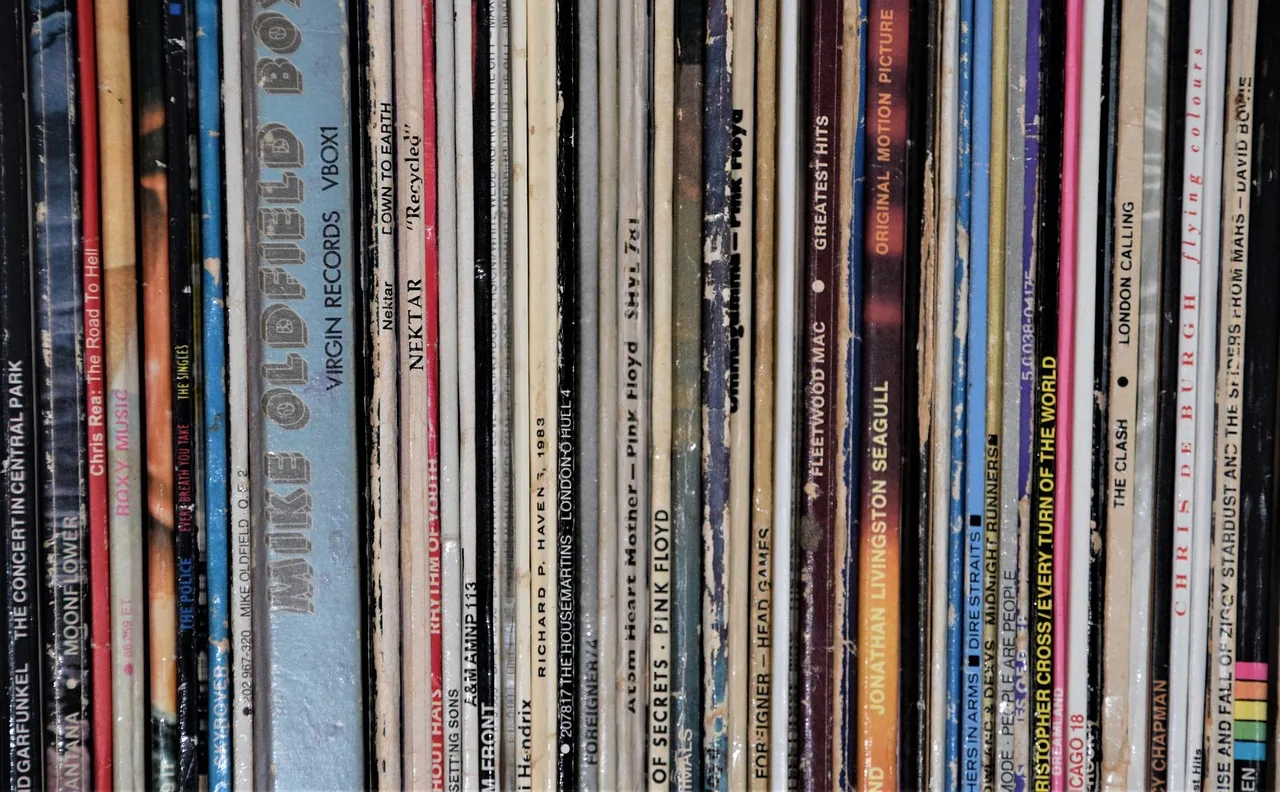
Our aim: to explain what this recording reveals when we look beyond its reputation as a minor release. We offer a guide to listening again, closely and critically.
Scope of the review: the listening experience, the editions (standard, deluxe and super deluxe) and the formats (CD, vinyl and box sets). The goal is to help every type of listener choose.
A brief history: in 1982, Led Zeppelin released a posthumous album assembled by Jimmy Page after the band announced its dissolution following John Bonham’s death in 1980. This final chapter deserves some context.
Our route through the album: its background, key tracks, sound quality and physical editions, followed by a closer look at the recent project by Novelists to avoid confusion. We will read between the lines of the archives, sessions and alternative versions.
Why “Coda” Is Often Underrated
The record is often approached as the end of an era, which can distort the listening experience.
The familiar bias: a recording described as posthumous or contractual is too quickly treated as an appendix. Listeners compare it with the band’s legendary work and judge it superficially.
Its “compilation” feel also works against it. The tracks come from different sessions, and their sonic coherence may not be obvious on a first listen. It is easy to dismiss them as leftovers rather than artistic choices.
Yet beneath that uneven appearance are production ideas and changes in style that reveal a great deal about the band.
- Examine its internal coherence and willingness to take risks.
- Assess the instrumental and vocal performances.
- Consider how remastering affects the clarity of the recordings.
Finally, this status affects the album’s place in the discography and the appeal of the deluxe editions. For some listeners, the chance to explore a super deluxe edition justifies the purchase.
Which “Coda” Do We Mean? Led Zeppelin or Novelists
Same name, different stories. On one side is Led Zeppelin’s historic 1982 release, assembled by Jimmy Page after the band ended. On the other is a recent, energetic project by Novelists, announced for release on May 16 through ACKOR MUSIC.
Artistic intent: the first is an archival collection associated with the end of an era. The second aims to mark a creative renewal, with singles, music videos and promotion on streaming platforms.
To avoid confusion when buying, always check the listed artist, release year, label and product identifier (ASIN or manufacturer code). On online product listings, “Number of discs: 2” or the format (vinyl or CD) can help distinguish the editions.
A simple platform search will return mixed results. Add precise terms such as “Led Zeppelin 1982” or “Novelists 2025 ACKOR” to narrow them down quickly.
Useful Points of Comparison
- The coherence of the track list and the production signature.
- The degree of experimentation and the choice of mixes.
- How each record tells the story of a turning point for its band.
Historical Context: The End of Led Zeppelin and the Birth of Coda
The band’s official end changed how its final recordings were heard. A public statement on December 4, 1980 announced its dissolution after John Bonham’s death and brought its ongoing plans to a close.
After John Bonham’s Death in 1980: Dissolution and the Decision Not to Continue
John Bonham died in 1980, prompting the firm decision not to continue under the same name. The official statement marked the end of an era and changed how fans related to unfinished tracks.
These recordings were no longer heard as a new album but as traces of a period in the band’s history. That perception still shapes how the tracks released later are received.
An Album Assembled and Released Later: Posthumous Logic and Contractual Obligations
In 1982, Jimmy Page took on the role of archivist, assembling recordings from various studio sessions. The decision also had commercial and contractual aims: to make use of the archives while respecting the band’s legacy.
Jimmy Page chose mixes and a running order to prepare the tracks for release. This approach also helps explain the later arrival of expanded editions and bonus discs.
For more on the chronology and dates, the Led Zeppelin 1982 page provides useful context.
- Defining events: John Bonham’s death in 1980 and the band’s official dissolution.
- Effect on listening: these tracks are perceived as archives rather than a new artistic statement.
- Jimmy Page’s role: assembling the record and preserving the history of the studio sessions.
Coda: What This Often Underrated Album Reveals
The tracks released later serve as clues. They show the band’s working methods, the decisions behind the selection and how Jimmy Page reconstructed a sonic narrative.
In the studio, we hear layered guitars, carefully considered arrangements and choices between raw energy and polish. These details shed light on the band’s internal dynamics in the late 1970s.
Looking beyond the myth of the leftovers: a discarded take is not necessarily a bad one. Sometimes it simply did not fit the usual format of a main release.
A Recommended Way to Listen
First, listen to the album as a whole. Then listen again with its different sessions and periods in mind. This two-stage approach reveals both its breaks and its hidden coherence.
“Expanded editions change the perspective: moving from 8 to 23 tracks changes the story being told.”
Its place in the discography is not that of a legendary cornerstone but of a transitional record. It illuminates the end of an era and points toward what followed.
| Strength | What it reveals | Why listen |
|---|---|---|
| Expanded archives | Production methods and alternative takes | Understand the editing choices |
| Studio arrangements | Layered textures and sonic balance | Appreciate the detail of the mixes |
| Super deluxe edition | Context for the sessions | Explore the band’s history more deeply |
Track List and Key Songs: What to Hear First
In less than twenty minutes, selected tracks can convey the essentials of the band’s style. Start with songs that bring the riffs, tight groove and vocals to the fore.
First-listen priorities (20 minutes): begin with the songs that have memorable riffs and a brisk tempo. They reveal Jimmy Page’s signature guitar sound and the power of the drums.
The Tracks That Sum Up the Sound
- Central riff and layered guitars: an immediate attack and rich textures.
- Bass and drum interplay: a groove that drives the song forward.
- Vocals up front: a clear position in the mix that makes the melodic patterns easy to follow.
Tracks That Extend Other Periods
Some songs continue the heavy blues approach, while others flirt with funkier grooves or structural experiments. These choices recall earlier sessions and point toward the late 1970s.
“More than leftovers, these tracks are clues: they show paths left open and directions explored.”
| Priority | What you hear | Why listen |
|---|---|---|
| Top 3 (20 min) | Riffs, groove, vocals | A quick introduction to the band’s classic sound |
| Full listen | Variations and alternative takes | Understand how the sessions evolved |
| Expanded editions | Rough mixes and layers of recorded parts | Context for Jimmy Page’s editing choices |
What the Super Deluxe Editions and “Companion Discs” Really Reveal
Moving from a handful of tracks to three discs completely changes the story the listening experience tells.
The move from 8 to 23 tracks turns the release into a small archive. We hear rough takes, instrumental passages and sequences that put the original running order in a new light.
Rough Mixes, Alternative Takes and Works in Progress
Rough mixes: versions closer to the studio work, with some instruments more prominent. They reveal the choices made in mixing.
Alternative takes reveal changes in structure. Works in progress expose unfinished but instructive ideas.
Who Are They For?
- Fans and collectors: substantial documentary value and the pleasure of spotting differences.
- Curious listeners: given the potential for repetition, it is better to focus on a few key tracks.
The companion discs offer treats: striking alternative versions, percussion pieces and instrumentals that show John Paul Jones‘s touch through keyboards and atmospheric arrangements.
Jimmy Page plays a central role: he ranks the takes and builds a coherent story from scattered sessions. His selection determines which versions come to the fore.
“The additional tracks turn listening into an examination of studio decisions.”
Remastering and Sound Quality: Should You Choose the Reissues?
A carefully prepared reissue can reveal tiny details that were lost on the first releases. Remastering can improve perceived dynamics, instrument separation and the space in the mix.
What Remastering Improves
Guitar clarity: the layers gain definition and no longer blur together.
Drum presence: the snare and kick gain space without overwhelming everything else.
Separation: the bass, keyboards and percussion are easier to distinguish, especially on recordings from different sessions.
When the Difference Is Mainly About Collecting
Through good hi-fi headphones or speakers, the difference in a new version can be clear. When listening on the go, its added value is more often documentary or aesthetic.
Buying advice: choose a basic reissue if sound is your priority. Consider an expanded edition if you want more takes, companion discs or collectible items.
| Goal | Recommended choice | Why |
|---|---|---|
| Best sound | Remastered version | Improved dynamics and clarity |
| Explore the sessions | Super deluxe edition | Companion discs and alternative takes |
| Listen on the go | Choose streaming or CD | The difference is less noticeable |
“Remastering changes how you hear studio details, but its effect depends on your playback equipment.”
Formats and Physical Editions: CDs, Vinyl, Box Sets and Paper Sleeves
The format changes how we experience the music and the physical release. Physical editions do more than play an album: they tell a story, offer a ritual and may sometimes increase in value over time.
A quick comparison of formats
- CD: convenient and often the best balance of content and price, with clear playback of remastered versions.
- Vinyl: a collectible object, a listening ritual and an analogue sound valued by collectors.
- Super deluxe box sets: a museum-like experience with photo books, prints and extra discs.
Why Physical Editions Can Gain Value Over Time
Limited-edition box sets become scarce. When a pressing is no longer available, prices rise on the secondary market.
Numbered or exclusive items—books, prints and high-resolution download codes—strengthen demand. The principle is simple: scarcity and cultural appeal can increase value.
Paper Sleeves, Photo Books, Prints and Promotional Items: What You Are Really Paying For
Beyond the sound, the purchase covers:
- Manufacturing: paper quality, printing and finish.
- Editorial content: booklets, notes and archival photographs.
- Extras: numbered prints, posters and high-resolution download codes.
Tip: check for “number of discs: 2” or the complete contents list to see whether companion discs are included.
“A box set is, above all, a keepsake. Its price reflects both tangible items and the aura they carry.”
| Format | Advantage | Ideal for |
|---|---|---|
| CD | Balance of content and price; ease of listening | Close listening and remastered audio |
| Vinyl | Physical object and ritual; analogue sound | Collectors and audiophiles |
| Super deluxe box set | Context, documents and numbered prints | Fans and cultural collectors |
| Paper sleeve | Considered design and vintage-inspired packaging | Fans of compact formats and thoughtful design |
In France, availability varies by pressing and import. Compare local and imported prices before buying to avoid paying too much.
Practical advice: before buying, check the product identifier, number of discs and condition (new or used). For a complementary buying guide, see a dedicated article about the band’s final years and its editions.
Listening Impressions: Production, Guitar, Drums and Vocals
A first listen reveals the production priorities and the balance between the instruments.
Jimmy Page’s Guitar: Playing, Textures and Studio Approach
Jimmy Page uses layers and overdubs. Riffs alternate with short solos. The studio becomes an instrument: panning, reverb and subtle overdubs shape the atmosphere.
John Bonham: Power, Groove and the Importance of Sound
John Bonham remains a defining presence. The drums stand out for their depth and dynamics. His groove anchors the songs and drives their energy.
Robert Plant and John Paul Jones: Vocals, Arrangements and Balance
Robert Plant’s voice moves from direct expression to a more experimental approach, depending on the take. John Paul Jones shapes the harmony and enriches the arrangements with understated but crucial parts.
“Listen more than once: focus first on the guitar, then the drums and finally the voice to hear how they balance.”
| Element | Observation | Effect on listening |
|---|---|---|
| Production | The selection and remastering are audible | Better separation of the elements |
| Guitar | Textures, overdubs and panning | Rich layers of sound |
| Drums | Power, groove and recording technique | Rhythmic foundation and energy |
| Vocals & arrangements | Vocal placement and harmonic parts | Clear roles and contrast |
What “Coda” Says About the Tensions and Changes of the Late 1970s
By the late 1970s, the released takes document a period of uncertainty about the band’s artistic direction.
A Less Unified but More Adventurous Band
The scattered sessions show a band exploring several directions. Some songs have a direct sound; others use more experimental textures.
That variety can create an impression of reduced cohesion. It also reveals freedom of choice and a willingness to take risks rarely as visible on the official albums.
What the Sessions and Alternative Versions Reveal About the Choices
The rough mixes and working versions reveal different editing options. A provisional mix can change how a track is perceived and call a planned running order into question.
Listening to these variations helps us understand the technical and aesthetic decisions made when preparing a release.
“Sometimes a take set aside is as valuable for its boldness as for its flaws.”
Ultimately, these fragments do not give a simple answer to the question “should they have continued?” Instead, they show the band‘s state of mind and the uncertainties in the studio.
Novelists in Focus: The Other “Coda” Shaking Up French Metal
Novelists takes a marked new direction with an announced release that has divided the French metal scene. The release details are straightforward: it is scheduled for May 16 through ACKOR MUSIC, a useful date for planning a listen or a preorder.
Origins and working method
Origins and Songwriting
The title track began during a session in Morocco. The band then worked remotely: each member sent demos before the songs were finished together. This hybrid method helps explain the album’s varied moods.
Vocal Adjustments and Camille Contreras’s Arrival
Camille tried several takes. The keys were adjusted to suit her vocal range. The band weighed clean singing, harmonies and screams before her voice emerged as the right fit for its identity.
Singles and Sonic Range
The strategy positions “Coda” as a potentially high-impact single, while “K.O.” is conceived as a more intimate track. Other notable songs—All For Nothing, In Heaven, Adam and Eve and 78 Rue…—show the band’s range and its ability to blend power with emotion.
“The project was completed this summer despite the demands of touring, showing that live performance and recording can move forward together.”
Concerts, Tours and Reception: Why the Album Gains Value on Stage
The stage can turn an overlooked track into a pivotal concert moment. Live tempos are often adjusted, the sound grows denser and stage presence gives a chorus greater force. These changes can make songs feel more immediate than their studio versions.
When Live Arrangements Restore the Appeal of Certain Tracks
An extended rhythmic passage or a heightened build can bring a section into focus. The crowd creates energy that draws out the melody or central riff.
Examples: a chorus that makes little impression in the studio can unite an audience live. A strengthened rhythmic part gains impact and lodges in the collective memory.
Festivals and Dates: Why Timing and Touring Context Matter for Novelists
The summer festival season—Hellfest, Francofolies, Graspop, Download UK and Resurrection Fest—offers enormous exposure in just a few days. These events reach different audiences and create more opportunities for listeners to return to the songs on streaming platforms.
For Novelists, a run of summer shows can accelerate the album’s reception: singles draw people in, and published set lists soon show which songs truly connect.
“A good concert can renew streaming interest, boost physical sales and establish an album within its era.”
Practical advice: if you are unsure about buying, watch concert recordings or check set lists published after the first few dates of a tour. They reveal which songs stand out and how well they work live.
For a parallel example of how touring can reinvigorate a career, see an article about career revivals through live performance.
Prices, Availability and Where to Buy in France
Before adding anything to your cart, a few simple checks can help you choose according to your aim: immediate listening, collecting or exploring the archives.
Understanding Prices and Ratings on a Product Listing
In France, Led Zeppelin’s vinyl edition often costs around €26.19. For comparison, other releases by the band range from about €20.92 (Houses Of The Holy) to €29.16 (Physical Graffiti).
The average rating (around 4.7/5) indicates general satisfaction but does not explain the exact contents of an edition.
Always check the manufacturer’s reference and ASIN to confirm the edition. These details help prevent unwelcome surprises involving imports or counterfeit pressings.
New, Imported or Deluxe: How to Choose Without Overspending
New or used: buying new helps ensure that booklets and download codes are intact. A used copy may save money, but check the discs’ condition and whether every item is included.
Imported or local pressing: a French pressing often avoids extra shipping costs and delays. An import may cost less initially but can bring hidden charges.
Deluxe edition: it makes sense if you want companion discs and alternative takes. Otherwise, the remastered version is usually enough for listening.
Checks Before Buying: A List to Avoid Mistakes
- Confirm the listed artist (Led Zeppelin or Novelists) before placing an order.
- Check the manufacturer’s reference and ASIN on the product listing.
- Check the stated number of discs.
- Note the country of origin and format (vinyl, CD or box set).
“Decide why you are buying—listening, collecting or exploring archives—then choose the edition that fits.”
| Goal | Suggested choice | Price guide (France) |
|---|---|---|
| Casual listening | Remastered version (CD or streaming) | About €20 to €27 |
| Collecting | Vinyl or paper sleeve | About €25 to €35 |
| Archives & collecting every edition | Super deluxe edition | Varies (a higher price reflecting the extras) |
Who Is Coda For? Recommendations by Listener Type
People interested in this recording broadly fall into two groups with very different expectations.
Before buying, decide whether you want documentation or immediate listening pleasure. That choice can save you from spending money on an edition that adds little for you.
Devoted Fans: Archives, Alternative Takes and Complete Collections
For fans who want the full picture, expanded editions are worth buying. They contain rough mixes, alternative takes and companion discs that help explain how the sessions developed.
Jimmy Page’s selection adds documentary value. If you want to collect every version, look for the super deluxe box sets.
Curious Listeners: A Simple Route Through the Essentials
If you want a quick impression or a manageable listen, start with the standard version.
- Listen to the album once, all the way through.
- Choose two or three alternative takes that interest you.
- Compare the mixes briefly to hear the differences.
In most cases, that is enough to understand the album’s appeal without getting lost among 23 tracks.
When to skip it: if you only want the hits, this record may not be a priority. If you enjoy hearing what happened behind the scenes, it becomes much more compelling.

“Choose an edition that suits what you want: a collectible object or a way into the band’s recorded history.”
Conclusion
Considered in the light of the sessions and the selection process, the record gains meaning and depth.
To sum up: placed at the end of the band’s career and assembled by Jimmy Page, this album becomes a source of clues about its studio work and editing decisions. It does not displace the classics, but it adds to our understanding of the band‘s place in that period.
Our view of the record: the standard version is enough to discover the tracks. Expanded editions are recommended for collectors who want to compare versions and follow the producer’s work.
What stays with us is the guitarist‘s playing and John Bonham‘s rhythmic presence, the guiding role of John Paul Jones and the power of Robert Plant’s voice. Two albums called “Coda” offer two reasons to listen: archives and legend, or present-day energy on stage.
Practical advice: decide whether you are a curious listener or a collector, choose a format (streaming, CD or vinyl) and listen with the sessions in mind to hear what the record reveals.