
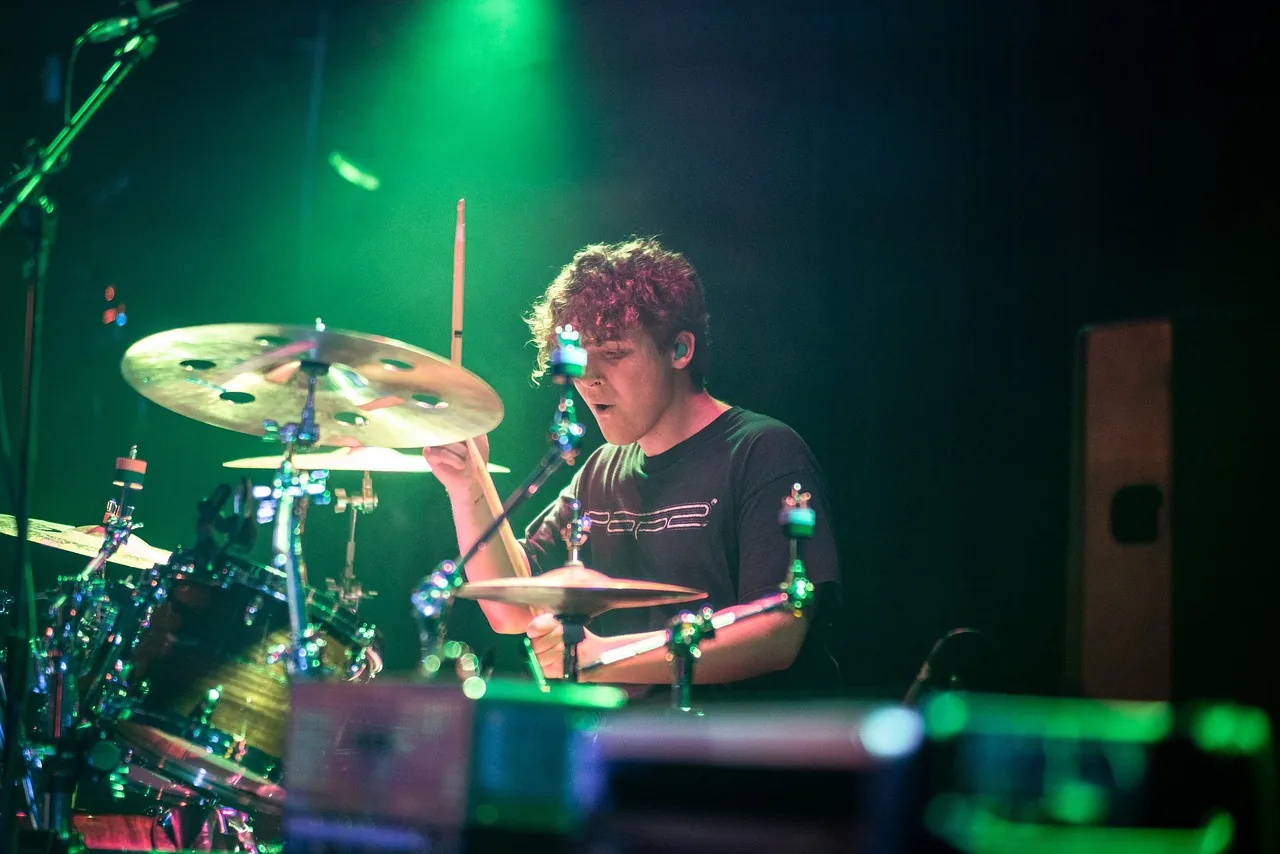
The Swedish band Sabaton is known for songs inspired by history and conflicts around the world. Through its official music videos, such as “Sparta” and “Blood Of Bannockburn”, Sabaton takes fans into epic scenes of war and legendary battles. Each song tells a story, blending historical facts with powerful emotions.
Sabaton’s visual approach is distinctive. Its videos combine reenacted scenes with striking visual effects to draw viewers into the story. In “Last Dying Breath”, for example, the band uses historical settings to recreate the atmosphere of a bygone era. This attention to detail strengthens each song’s message.
Metal has long drawn inspiration from history. With concept albums such as “Heroes” and “Carolus Rex”, Sabaton follows that tradition. These albums focus on lesser-known historical figures as well as battles, offering a particular perspective on past events.
Introduction to the visual analysis
The Swedish band Sabaton stands out for its approach to music, with each song taking listeners into history. Through concept albums such as “Carolus Rex” and “Heroes”, Sabaton has built a strong musical identity that pairs epic music with historical narratives. Each title is chosen to evoke a significant event or heroic figure.
Introducing Sabaton
Formed in 1999, Sabaton is known for power metal inspired by historical conflicts. Its discography explores subjects ranging from the Second World War to legendary battles. This focus on history has helped the band stand out in metal.
Aims of the analysis
The main aim of this analysis is to interpret the imagery and symbolism in the band’s videos. By examining songs such as “Sparta” and “Blood Of Bannockburn”, we will explore how Sabaton uses historical references to tell compelling stories. We will look at settings, symbols and visual effects, and at how they relate to the lyrics.
Drawing on recent studies, this analysis will show how Sabaton uses music and images to convey historical stories. Each video opens a window onto an event or figure from the past and reflects the band’s interest in history.
Historical context and aesthetics in metal
Metal has a deep relationship with history. Since its beginnings, the genre has drawn on major events to shape its visual and musical identity. This section explores the development of metal and its imagery, along with the influence of war and history on its themes.
The development of metal and its imagery
Since the 1970s, metal has developed by incorporating historical elements. Bands use military symbols and accounts of battles to illustrate their songs. Historical facts, such as those of the First World War, can inspire entire albums and offer a particular perspective on conflicts.
Metal imagery has expanded from mythological motifs to scenes inspired by world war. This can be seen on album covers and in music videos, where the soldier becomes a symbol of courage and sacrifice.
The influence of war and history
Global conflicts have left their mark on metal. The Second World War, for example, has led many bands to explore darker themes. Armies and their stories often take centre stage, forging a strong connection with history.
| Historical event | Influence on metal |
|---|---|
| First World War | Inspiration for concept albums |
| Second World War | Dark themes and wartime narratives |
| Legendary battles | Epic imagery and military symbols |
Metal uses these elements to tell compelling stories and engage an audience drawn to both history and music.
Visual analysis of Sabaton’s official music videos
Understanding Sabaton’s videos calls for a close analysis. Each visual element can be examined for its meaning.
What to look for
The criteria include colour, framing and special effects. These features help draw the viewer into the story.
| Visual element | Effect on the audience |
|---|---|
| Bright colours | Create an energetic atmosphere |
| Precise framing | Direct attention to key details |
| Special effects | Make scenes feel more realistic |
Each video can be interpreted through its artistic features, offering a different perspective on history.
The importance of historical references in the videos
Sabaton’s official music videos take viewers into history. The band uses historical references to create an immersive experience. Battles such as those of Belgrade and Stalingrad, for example, are carefully reenacted, offering a perspective on these significant events.
Significant battles and events
Each Sabaton video depicts historical events in detail. The Battle of Rorke’s Drift, for example, is presented with details intended to evoke the atmosphere of its time. These reenactments do more than depict events: they also suggest the emotions and stakes of pivotal moments.
Heroic figures and symbols of bravery
The videos highlight heroic figures, including soldiers of the First World War. These portrayals reinforce the band’s role as a storyteller of history. Visual effects and military symbols add depth, bringing acts of bravery and sacrifice to the fore.
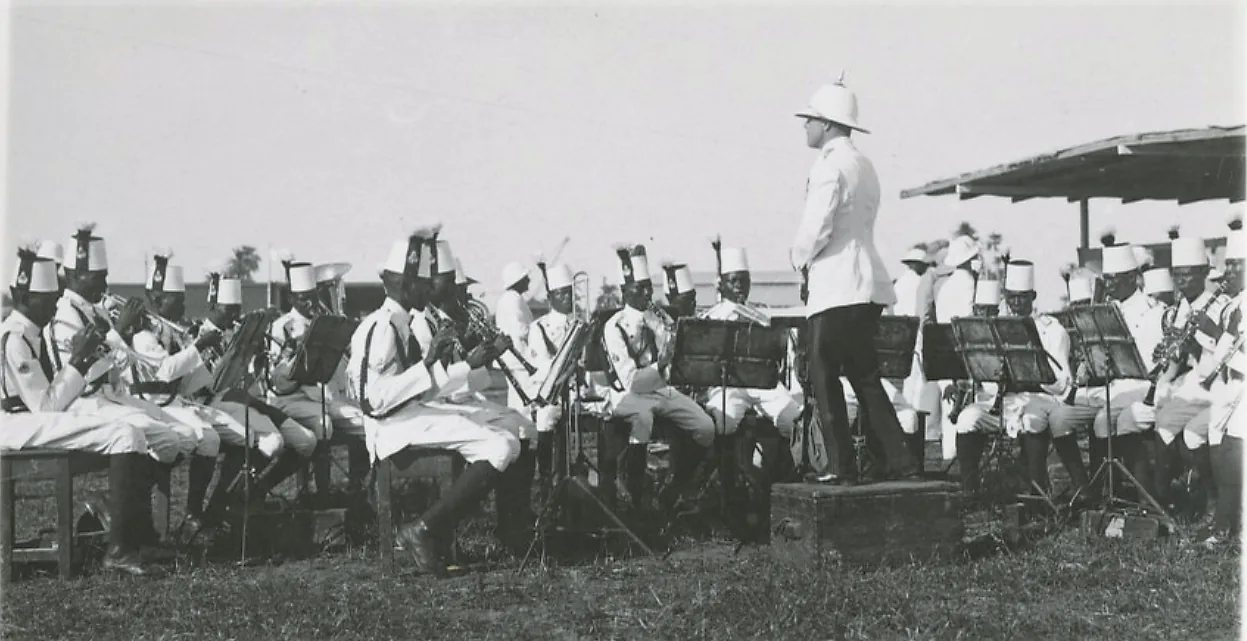
By incorporating these historical elements, Sabaton connects with its audience and offers a rewarding musical and visual experience.
Visual elements and their meanings
Sabaton’s videos contain a wide range of meaningful visual elements. Each image and scene is designed to tell a story.
Symbols of war and weaponry
Weapons and uniforms evoke particular periods. In “Sparta”, for example, shields and spears point to antiquity and help create a convincing setting. These visual details strengthen the connection between the lyrics and the images, making the experience more immersive.
Special effects and memorable staging
Special effects play a key role in the storytelling. In “Last Dying Breath”, explosions and ruined settings depict warfare. Combined with careful staging, these effects hold the viewer’s attention and heighten the emotional impact of the lyrics.
Memorable scenes, including large-scale battles, leave a lasting impression. They symbolise both the violence of war and the heroism of those who fight. Often rich in historical detail, these scenes offer a perspective on the events described in the songs.
By combining these visual elements, Sabaton connects with its audience. Lyrics, images and special effects work together to create a coherent musical and visual experience. To learn more about the band’s approach, you can visit its official site: Sabaton French Division.
A closer look at notable videos
Sabaton’s videos offer a compelling journey through history, using carefully designed scenes and epic storytelling. Each one uses historical themes to tell a memorable story.
Analysing “Sparta” and “Last Dying Breath”
“Sparta” captures the aesthetics of warfare through epic scenes inspired by antiquity. Its settings and costumes build an atmosphere of bravery, making the video a striking treatment of a historical theme. The guitar plays a central part, with forceful solos underscoring the intensity of battle.
“Last Dying Breath” turns to the First World War, with powerful images of deadly battles. It approaches war with dramatic intensity, supported by realistic visual effects. The electric guitar adds a sound that heightens the emotion.
Examining “Blood Of Bannockburn” and “Rorke’s Drift”
“Blood Of Bannockburn” explores Celtic influences through scenes rich in historical symbols. Resistance is its central theme, while the guitar blends with Celtic-inspired melodies. The video shows how music and history can come together.
“Rorke’s Drift” stands out for its technical skill, with accomplished guitar solos and carefully arranged backing vocals. Its battle theme is presented with added realism and detailed staging. Once again, the guitar plays a key role in the emotional impact.
These videos show how Sabaton uses historical themes to create a coherent musical and visual experience for an audience passionate about history and music.
Interpreting the lyrics and stories
Sabaton’s history-inspired lyrics find a visual counterpart in the band’s videos. Each scene is arranged to strengthen the historical narrative and draw viewers into it.
How the lyrics and images correspond
In “Sparta”, the lyrics evoke ancient warriors while the images show epic battle scenes. Bright colours and historical settings reinforce the atmosphere of bravery described in the lyrics.
Similarly, in “Last Dying Breath”, scenes of warfare accompany lyrics describing soldiers’ sacrifices. Effects such as explosions add an intensity that matches the emotions expressed.
Storytelling and historical context
Sabaton’s videos do more than illustrate lyrics; they build historical narratives. For example, “Blood Of Bannockburn” uses Celtic symbols to represent Scottish resistance and incorporates traditional melodies to strengthen the setting.
This narrative approach turns each video into a history lesson, making the past more accessible and engaging. Sabaton’s world blends historical facts with powerful emotions, offering a perspective on significant events.
By bringing these visual and narrative elements together, Sabaton builds a connection with its audience and offers a coherent musical and visual experience. To learn more about the band’s approach, you can visit its official site: Aux Portes du Metal.
The influence of world history on the videos
World events have shaped history, and Sabaton has made them central to its artistic work. Through its videos, the band takes viewers into moving historical narratives and offers a perspective on global conflicts.
The First and Second World Wars on screen
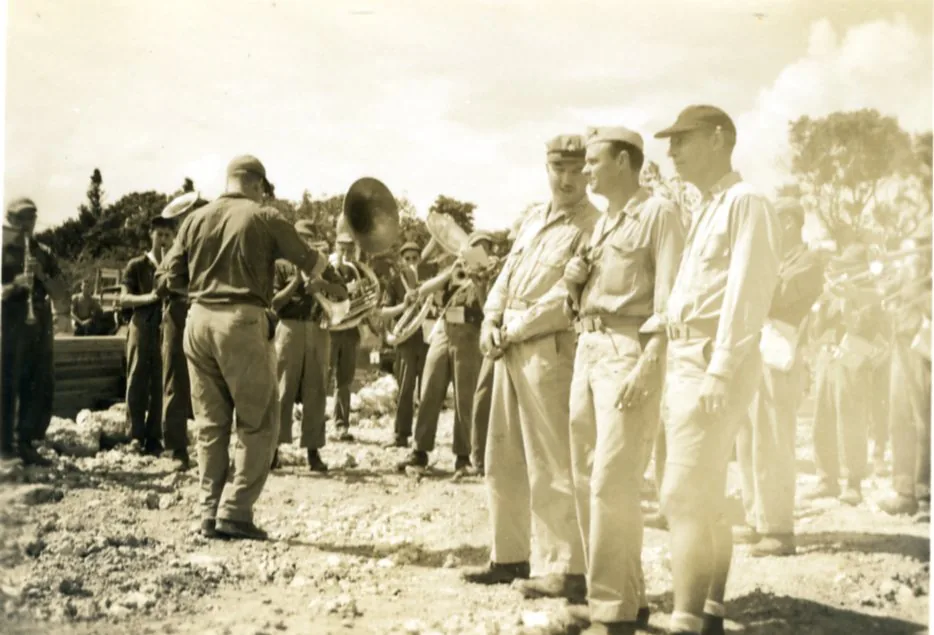
Both world wars have inspired many Sabaton videos. The First World War appears in dark, intense scenes that foreground soldiers’ sacrifices. The Second World War is evoked through heroic stories and legendary battles. These periods are carefully recreated to draw viewers in.
Honouring lesser-known heroes
Sabaton honours lesser-known historical figures. For example, “Inmate 4859” tells the story of Witold Pilecki, a Polish hero. Choices like this bring overlooked stories to light and offer another perspective on history.
These tributes add an emotional dimension to the videos, encouraging audiences to discover lesser-known history books. Sabaton thus connects the past with the present, offering a rewarding musical and visual experience.
Learn more about Sabaton’s approach to history and its influence on music.
Cultural and artistic references
Sabaton’s work draws on a range of cultural and artistic sources. The band takes inspiration from historical narratives, literature and cinema to create a coherent body of music and imagery.
Intertextuality and literary inspiration
Sabaton albums such as Carolus Rex draw on historical writing from the Baroque era. These literary influences enrich the lyrics and offer a perspective on historical events. Heroes, for example, highlights heroic figures of the last century, strengthening the link between music and history.
The dialogue between music, cinema and visual art
Sabaton’s videos evoke epic cinema, with each shot carefully arranged. This exchange between music and film draws viewers in, as in Last Dying Breath, where visual effects and storytelling recall historical films. Sabaton’s musicians work closely with visual artists to create a distinctive aesthetic, placing historical symbols within their productions.
This artistic approach turns each song into an experience for several senses, bringing the musician, the image and history together. Sabaton uses these references to tell compelling stories and engage people passionate about history and music.
Impact on audiences and the metal scene
Sabaton’s official music videos have a strong impact on the band’s audience and the metal scene. Through powerful music and epic imagery, Sabaton builds an emotional connection with fans while telling stories inspired by history.
Fan reactions and music criticism
Fans particularly value the historical dimension of the videos, which helps them discover or revisit significant events. Music critics often point to the consistency between the lyrics and images, which makes the historical narratives more immersive.
“Sabaton creates a truly immersive historical experience, with each video opening a window onto the past.”
Engagement and interaction on social media
Sabaton’s fan community is very active on social media. Fans regularly share content related to the videos, discuss history and take part in online events. This interaction strengthens the connection between the band and its audience.
At concerts, fans show their enthusiasm by singing along to songs such as “Sparta” and “Blood Of Bannockburn”, creating an electric atmosphere. These performances show the place the videos hold in the band’s cultural identity.
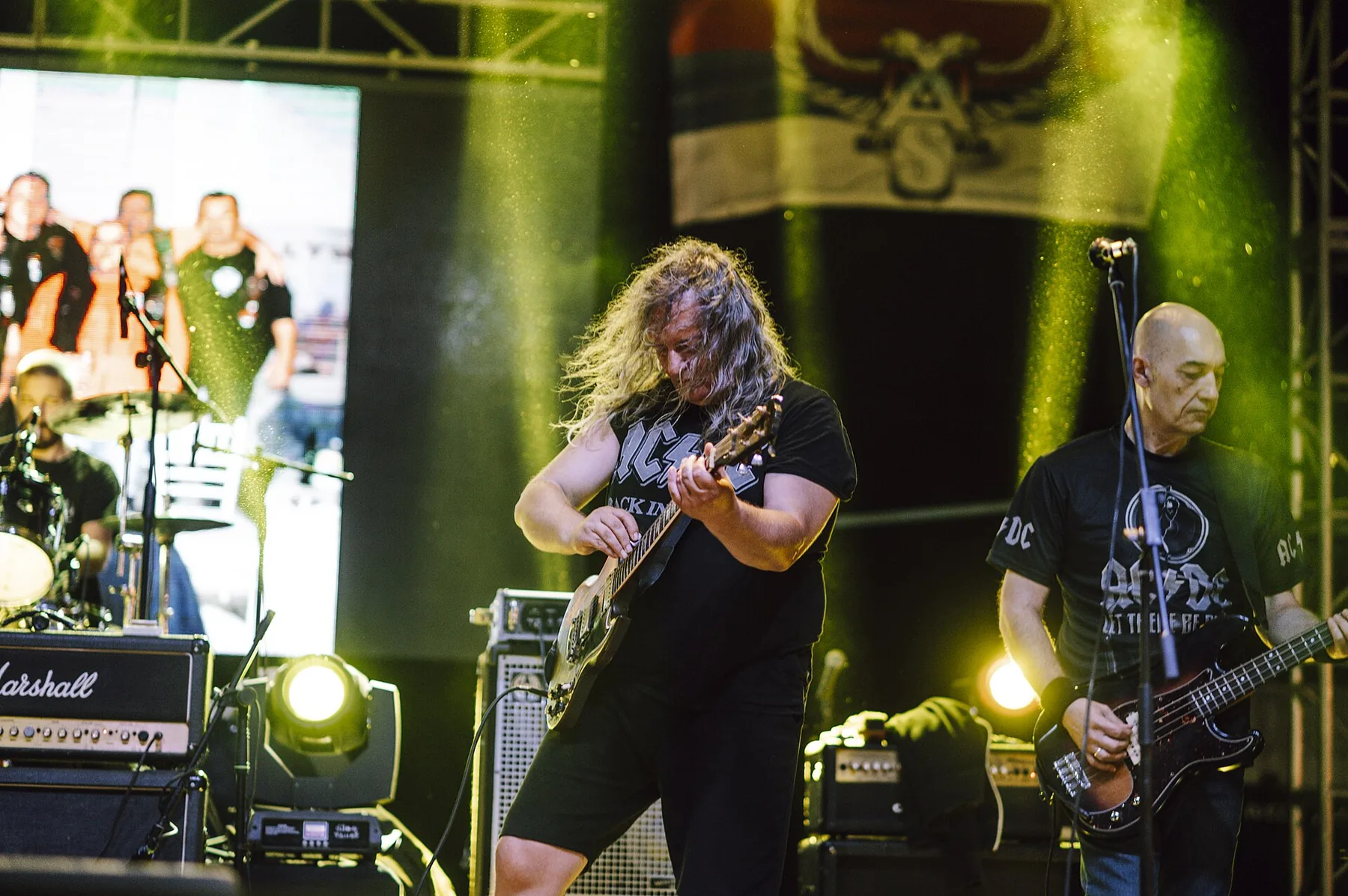
Find out more about Sabaton’s latest news and its impact on the metal scene at Metalorgie.
| Historical event | Influence on metal |
|---|---|
| First World War | Inspiration for concept albums |
| Second World War | Dark themes and wartime narratives |
| Legendary battles | Epic imagery and military symbols |
Visual style and production techniques
Sabaton’s videos combine a carefully developed visual style with inventive production techniques. This attention to quality draws viewers into richly detailed settings.
Visual effects and animation
Visual effects are central to the storytelling. In “Last Dying Breath”, for example, historical settings and explosions draw viewers into the scene. Animation adds to the epic scale, offering a perspective on historical events.
Staging and framing techniques
Precise framing directs attention to key details, while dynamic angles draw viewers into the action. Together with careful production, these techniques create engaging visual movement.
By combining these elements, Sabaton offers a coherent musical and visual experience. To learn more about the band’s approach, you can visit its official site: Sabaton French Division.
The visual journey through the concept albums
Since its beginnings, Sabaton has developed by incorporating historical elements into its concept albums. Albums such as Carolus Rex and Heroes offer perspectives on historical events. Each album cover is a work of art that reflects the band’s visual identity.
How concept albums influence the videos
Sabaton’s concept albums strongly influence the style of its videos. The covers of Carolus Rex and Heroes, for example, inspire settings and symbols used on screen. These graphic elements support the historical narrative and create visual continuity between the album and its videos.
Historical narratives in visual productions
Sabaton’s videos incorporate the historical narratives of its albums. In Sparta, for example, epic scenes and military symbols evoke antiquity while remaining tied to the story. This artistic approach takes viewers into a richly imagined world.
Examples of harmony between image and story
- Carolus Rex: the cover and videos evoke Swedish royalty through military symbols and bright colours.
- Heroes: heroic scenes and historical uniforms reinforce the focus on heroic figures.
Sabaton’s concept albums are musical works and expressions of a strong artistic identity within metal. Every visual production, from album covers to video imagery, helps tell a story and offers the audience a distinctive experience.
How the videos bring history to life
Sabaton’s official music videos offer a perspective on history by pairing historical narratives with powerful music. They serve as visual accompaniments and as educational, memorable works that engage curious viewers.
The music video as a tool for learning and remembrance
Sabaton’s videos turn history into an immersive experience. “Sparta”, for example, takes viewers into antiquity through epic battle scenes and military symbols. Combined with engaging storytelling, these images make history accessible and memorable. Fans have often said that the videos encouraged them to learn more about history.
“Sabaton has turned history into a visual and musical adventure, making past events vivid and compelling.”
Celebrating historical heritage through music
Sabaton’s music celebrates historical heritage through scenes rich in symbols and emotion. “Blood Of Bannockburn”, for example, celebrates Scottish resistance with melodies inspired by Celtic tradition. These musical and visual works strengthen the emotional connection with the past and offer a perspective on significant events.
Sabaton’s videos thus connect audiences with history, turning each song into an educational and artistic experience.
Conclusion
Through its music and visual work, Sabaton offers a perspective on the past. Each song and image is carefully arranged to take audiences into significant historical stories. Military symbols and historical settings deepen the experience while bringing often-forgotten events and heroes to light.
Sabaton’s impact on the metal scene is clear. Fans particularly appreciate the historical dimension of the band’s videos, which encourages them to explore the past further. Critics point to the consistency between lyrics and imagery, which strengthens the musical experience. This artistic approach turns each song into a history lesson, making the past more accessible and engaging.
Sabaton reshapes the relationship between music and history by pairing historical narratives with powerful music. Rich in symbols and emotion, its visual productions offer perspectives on significant events. In doing so, Sabaton creates a legacy that continues to influence music and the way we view the past.